

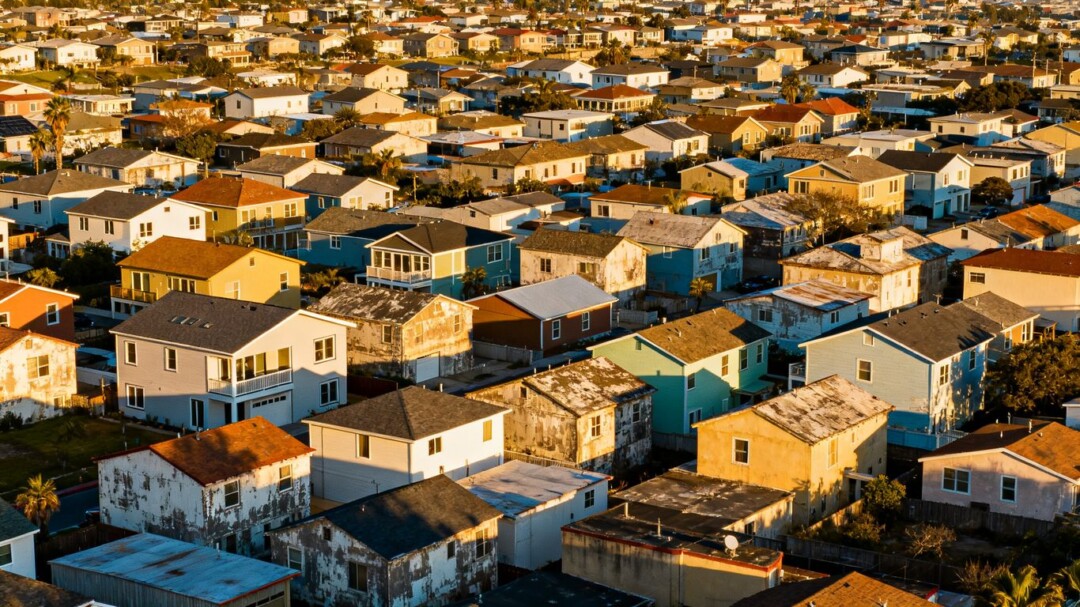
Florida has become the epicenter of a significant shift in the U.S. housing market. Recent data indicates that approximately one in seven homes currently for sale nationwide are located in the Sunshine State. This inventory surplus, driven by pandemic-era construction and cooling demand, has created a challenging environment for many sellers who are now forced to lower their expectations.
Key takeaways
- Florida accounts for nearly 14% of all active U.S. housing listings despite representing only about 8% of the nation’s total housing stock.
- Over 45% of Florida listings have recently undergone price reductions, a figure significantly higher than the national average.
- Rising homeowners’ insurance premiums, increased HOA fees, and persistent climate risks are dampening buyer interest across the state.
- Western Florida metros, including Tampa, Punta Gorda, and North Port, are experiencing the most intense downward pressure on home prices.
A shifting market landscape
The housing market in Florida has undergone a dramatic reversal from the intense bidding wars seen during the height of the pandemic. Data from housing analytics firms suggests that the state is currently experiencing a period of adjustment, with many sellers now accepting offers below their original asking prices. This trend is reflected in the "Motivated Sellers Index," which highlights that a significant portion of Florida homeowners are finding it necessary to reduce prices to compete in a market where buyers have regained considerable leverage.
Drivers of the inventory surge
Several factors have contributed to the current supply imbalance. During the pandemic, Florida saw a massive influx of new residents and a rapid acceleration in new construction projects. As the population growth rate has slowed and mortgage rates have climbed, this surge in supply has collided with a pool of buyers who are increasingly cautious due to affordability concerns. Furthermore, the state’s unique challenges—specifically the high cost of homeowners’ insurance and the threat of severe weather—have made potential buyers more selective, leading to longer times on the market for many properties.
Regional impacts and future outlook
While the entire state is affected, the impact is not uniform. Southwest Florida, in particular, has seen some of the sharpest price corrections, with cities like Punta Gorda and Cape Coral leading the nation in year-over-year price declines. Despite these corrections, experts note that Florida markets often remain more affordable on a price-to-income basis compared to coastal regions in the Northeast or California. Moving forward, the market is expected to remain in a state of flux as buyers continue to weigh the benefits of Florida living against the rising costs of maintenance, insurance, and regulatory compliance.
Sources
- Florida accounts for about 1 in 7 homes for sale in the US as buyers gain leverage, NewsNation.
- 1 of every 7 homes for sale in the U.S. is in Florida – Deseret News, Deseret News.
- Why Are 1 in 7 Homes for Sale Nationwide in Florida?, the deep dive.
- 1 in 7 of all U.S. homes on the market are in Florida. Here are some., Daytona Beach News-Journal.
- 1 in 7 of all U.S. homes on the market are in Florida. Here are some., St. Augustine Record.