

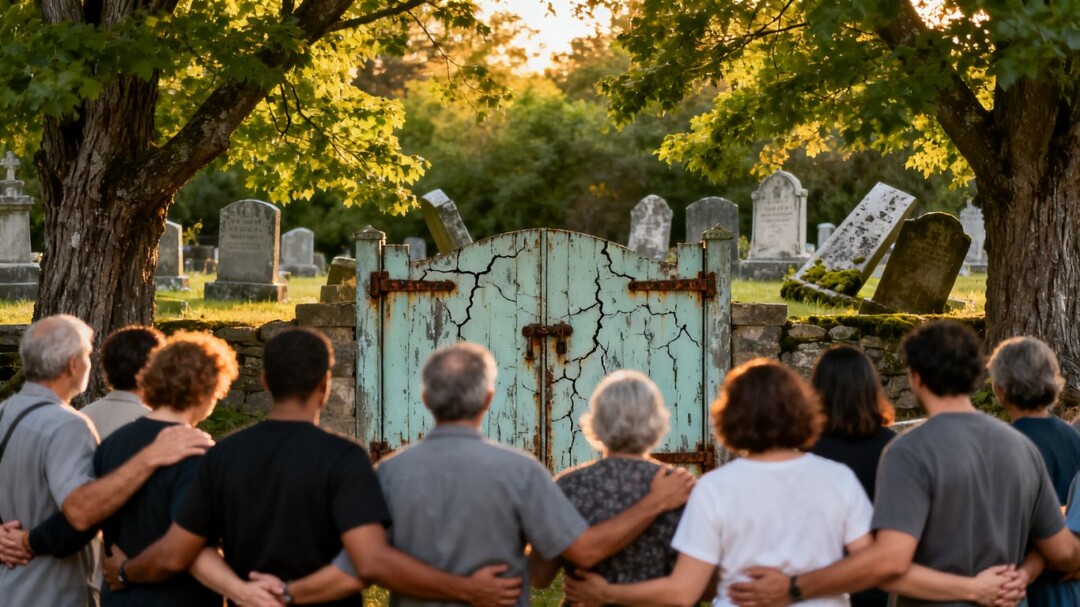
West Tampa residents are campaigning to halt a controversial residential development project at the historic Martí-Colón Cemetery. The site, which served as a final resting place for immigrant laborers from the city’s 19th-century cigar industry, currently faces an uncertain future as local activists and descendants fight to prevent construction on what many fear is a site containing numerous unmarked graves.
Key takeaways
- Developer Patrick Thorpe plans to build four single-family homes on a parcel historically classified as cemetery land.
- A previous ground-penetrating radar study identified 16 anomalies on the property, indicating the likely presence of unmarked, unremembered graves.
- The City of Tampa has drawn criticism for shifting its position; while 2021 officials expressed concern over development, current legal counsel stated the city lacks a mandate to search for graves on properly zoned land.
- The Tampa City Council is currently exploring potential solutions, including a land swap or a municipal purchase, to preserve the site.
A conflict of history and development
Martí-Colón Cemetery holds the remains of African, Cuban, and European immigrants who built West Tampa’s economy. While sections of the cemetery are marked, the "pauper section" has suffered from decades of neglect, resulting in many graves going unmarked. In 2018, developer Patrick Thorpe acquired two acres of the site, initially claiming he would establish a nonprofit to safeguard the grounds. However, his recent pivot toward building residential homes has sparked outrage among neighbors and preservationists who argue that the development desecrates sacred ground.
Evolving city policy and local outcry
Residents and advocacy groups, including The Cemetery Society, have raised significant questions regarding the city’s approval process. The inconsistency between a 2021 zoning rejection—which explicitly warned about the risk of disturbing graves—and current attempts to permit construction has fueled allegations that city processes favor developers over historical preservation. Although the parcel has long enjoyed tax-exempt status as a cemetery, the city now asserts that the current residential zoning makes the development compliant with local codes.
Pressure on municipal leadership
Neighborhood advocates like Barbara Diaz-Juskowski and Aileen Henderson have called on city officials to prioritize human dignity over potential profits. The fight has gained political traction, with state lawmakers including Fentrice Driskell and Danny Alvarez urging the city to investigate the claims of unmarked graves. With community members pushing for the city to intervene, the Tampa City Council has committed to reviewing the possibility of a land swap or purchase. A formal report regarding these options is expected mid-July, providing a potential pathway to protect the site from further encroachment.