

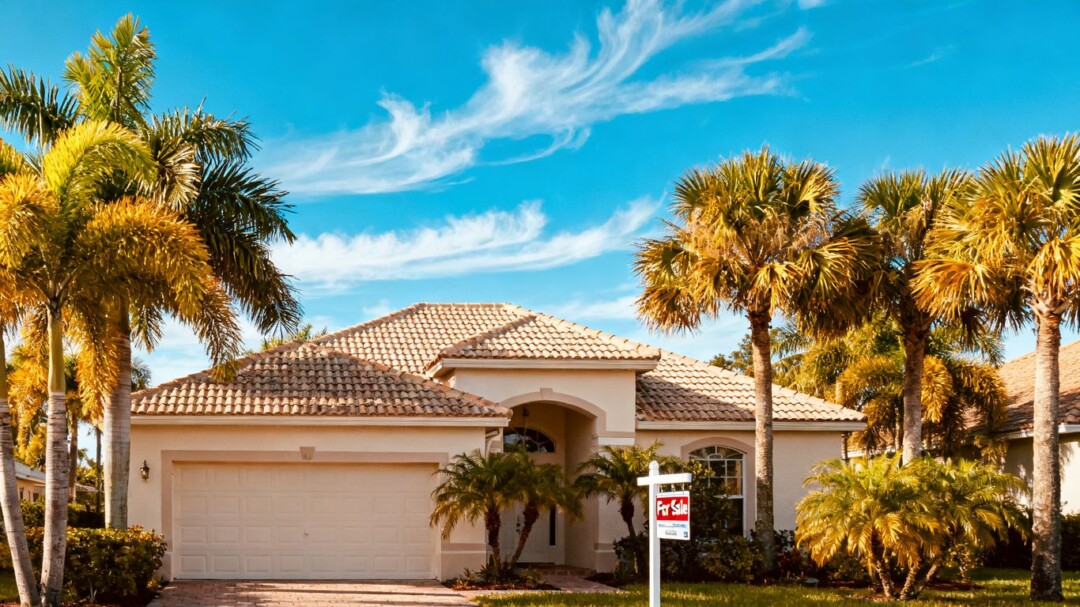
Florida is grappling with a complex housing landscape as inventory levels rise and population growth slows. While developers once raced to meet pandemic-era demand, the state now faces a cooling market marked by price cuts and affordability struggles, prompting new legislative efforts to repurpose public land for workforce housing.
Key takeaways
- Florida currently accounts for roughly one-seventh of all homes for sale in the United States.
- Population growth has decelerated, leading to an oversupply of new construction in certain regions.
- New state legislation now permits school districts to develop affordable housing on surplus land.
- High insurance costs and HOA fees continue to hamper residential affordability across the state.
A cooling market
Florida’s real estate sector is showing signs of a significant shift. Recent data indicates that nearly 45% of home listings in the state have undergone price reductions, a figure notably higher than the national average. Analysts point to a surplus of inventory, with Florida now holding roughly 14% of the nation’s total homes for sale. While this does not necessarily signal a market crash, it reflects a cooling period as sellers adjust to less aggressive buyer demand.
The impact of slowing migration
During the pandemic, Florida experienced an unprecedented surge in new residents, prompting a building boom that developers assumed would last indefinitely. However, recent census data reveals that daily population growth has slowed considerably. As the influx of new residents tapers off, many residential subdivisions and apartment complexes find themselves with empty units. Builders are increasingly relying on incentives, such as rate buydowns and rent concessions, to move inventory in a market that is no longer expanding at record speeds.
Legislative solutions for affordability
To address the persistent affordability crisis, the state has turned to creative land-use policies. An update to the Live Local Act now empowers school districts to build affordable housing on district-owned parcels of three acres or more, bypassing traditional rezoning processes. While this provides a potential path for workforce housing, it has sparked controversy in some neighborhoods where residents express concerns over density, traffic, and the preservation of community character. As the state balances growth with infrastructure, the success of these initiatives remains a central focus for policymakers and local communities alike.
Sources
- 1 of every 7 homes for sale in the U.S. is in Florida. Should that be cause for concern?, Yahoo Finance.
- Florida new construction buyers lag because population has slowed, Sarasota Herald-Tribune.
- Florida budget puts hundreds of millions toward housing affordability, Florida Trend.
- New Florida Law Allows School Districts to Build Affordable Housing, themortgagepoint.com.