

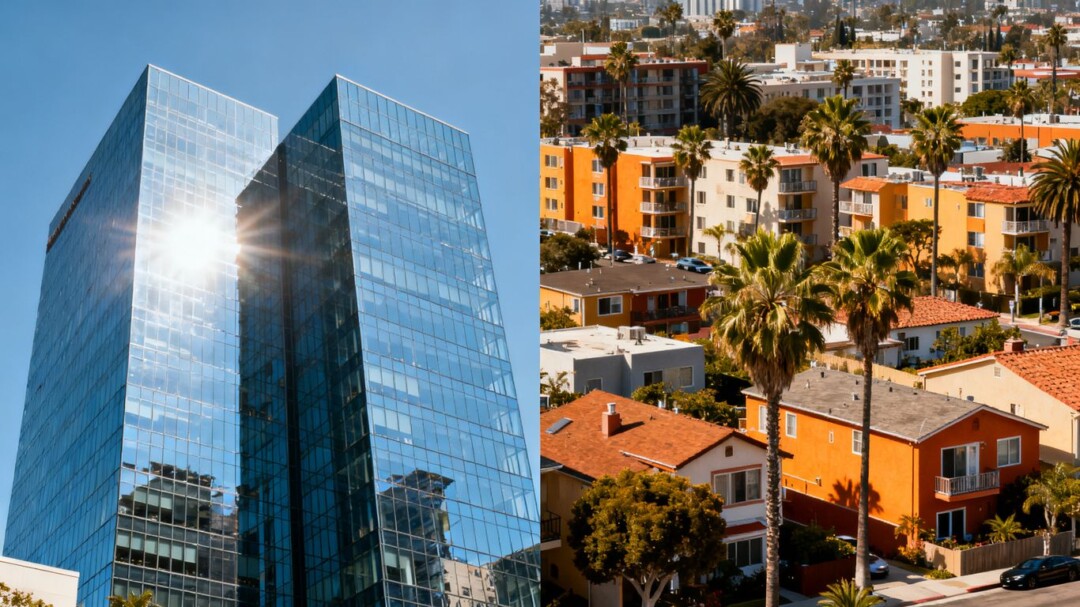
Florida’s real estate market is undergoing a significant transformation as shifting demographics and legislative incentives reshape both commercial and residential sectors. While major urban hubs grapple with record-high office rents and redevelopment pressures, smaller cities like Cape Coral highlight the ongoing tension between quality of life and rental affordability.
Key takeaways
- The Live Local Act is driving the conversion of aging office spaces into high-density residential developments.
- South Florida remains a high-cost environment, with Miami recording some of the nation’s most expensive office rents.
- Cities like Cape Coral offer high quality of life but struggle with rental affordability and market competitiveness.
- Institutional investment continues to flow into the state, evidenced by major financing deals for existing rental portfolios.
The rise of residential redevelopment
Developers across South Florida are increasingly looking toward the Live Local Act to revitalize aging commercial corridors. By designating a portion of new units for middle-income households, developers are gaining the ability to build taller, higher-density projects on sites previously restricted by zoning. A prime example is the Faith Group’s recent proposal near Aventura, which aims to replace an underutilized office building with a 376-unit residential complex. This trend reflects a broader strategy to address housing demand by repurposing vintage office space, which often fails to meet the standards required by modern, out-of-state companies moving to the region.
The affordability divide
While urban centers focus on density, smaller but rapidly growing cities like Cape Coral face a different set of challenges. Recent data from a WalletHub analysis ranked the city 146th out of 180 U.S. markets for renters, largely due to a low score in rental affordability. Despite this, the city remains attractive for its high quality of life, ranking 35th in that category. This disparity highlights a common theme in the Florida rental market: the difficulty of balancing rapid population growth with the need for cost-effective housing options that do not exceed the recommended 30 percent of a household’s gross income.
Commercial market pressures
Miami continues to command some of the most expensive office rents in the country, creating a bifurcated market. While top-tier, modern spaces remain in high demand, older office buildings are increasingly viewed as liabilities rather than assets. This has prompted a wave of capital investment and debt restructuring, such as the $105 million Freddie Mac loan recently secured for South Florida rental properties. As the state continues to attract new businesses, the commercial sector is forced to adapt, either through significant modernization or by clearing the way for the residential projects that the region’s growing population desperately requires.
Sources
- Grandbridge inks $105m Freddie loan to take out bank debt on South Florida rentals, Green Street News.
- Faith Group Plans Live Local Act Project Near Aventura, The Real Deal.
- Is Cape Coral, Florida a good location in the U.S. for renting?, The News-Press.
- This Florida city has most expensive office rents in the country, Tampa Bay Times.