

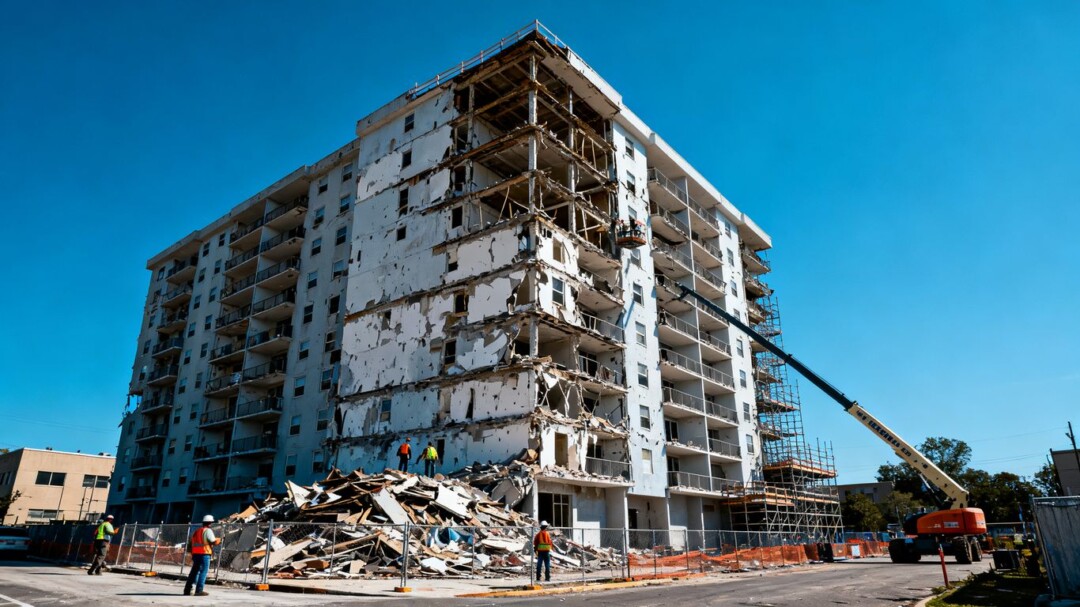
Five years after the devastating Champlain Towers South collapse in Surfside, Florida’s condominium market is grappling with a complex financial reality. Sweeping legislative reforms aimed at structural safety have triggered soaring association fees, aggressive insurance hikes, and mandatory assessments, fundamentally reshaping the long-term financial viability of condo ownership across the state.
The financial burden of safety reforms
- Mandatory structural inspections are now required every ten years for buildings three stories or taller, with the first review mandated at 30 years—or 25 years for properties within five miles of the coast.
- Median association fees in Miami-Dade have surged by over 70% since 2016, with buildings three stories and taller seeing a 42% increase between 2022 and 2025 alone.
- Commercial multi-peril insurance premiums for condo associations have skyrocketed, growing by 164% between 2021 and 2024.
- Individual homeowners insurance premiums have similarly spiked, rising from $1,600 to $2,300 over the past three years, heavily impacting the affordability of units.
Market corrections and buyer behavior
- Inventory levels have climbed to roughly 12 months, indicating a market that has shifted well beyond the six-to-nine-month balance point.
- Median sales prices have experienced a decline of approximately 3.5% annually as buyers adopt a more cautious approach.
- The fundamental calculation for purchasing has changed: many buyers are now prioritizing buildings with verified structural integrity, signed engineering reports, and established funding reserves for future repairs over initial sticker prices.
- Market analysts suggest that while current instability is high, a full market correction may not materialize until 2030 or later.
Broader housing reform under live local 4.0
- Amidst the condo crisis, Governor Ron DeSantis signed the Live Local Act 4.0 into law, further refining the state’s approach to housing supply and zoning.
- The regulation mandates that local governments allow affordable housing projects on land owned by religious institutions, essentially expanding the "Yes in God’s Backyard" (YIGBY) program from an option to a requirement.
- New provisions eliminate loopholes that previously allowed local jurisdictions to block affordable housing through discriminatory financing requirements or excessive quasi-judicial review processes.
- The law explicitly waives sovereign immunity, providing developers a direct legal path to challenge local governments that obstruct income-restricted housing projects without objective land-use justifications.