

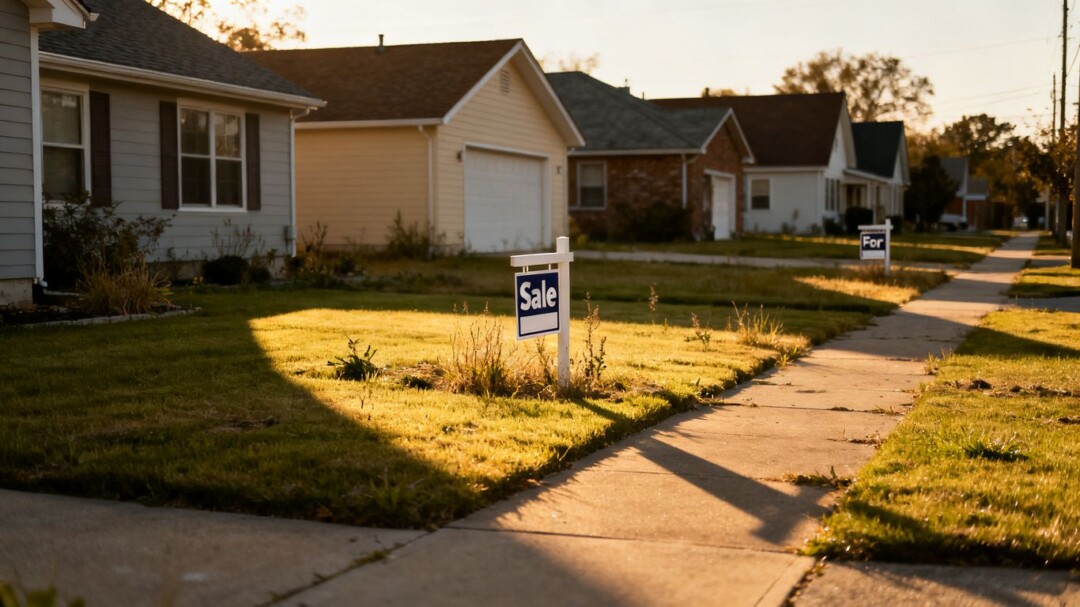
The Villages, Florida’s sprawling retirement community, is becoming more affordable after a pandemic-era surge. Median listing prices fell nearly 2% year over year in August 2026, marking a fourth consecutive annual decline. Rising inventory, slower sales and competition from the developer’s new homes are putting pressure on owners trying to sell.
Key takeaways
- The August 2026 median listing price was $377,784, down from $385,316 a year earlier.
- Prices remain below the 2022 peak of $436,850 but above 2021 levels.
- Inventory reached 586 listings, compared with a 10-year low of 153 in 2022.
- Homes now typically spend about 60 days on the market, twice as long as in 2022.
- New construction and property-specific bond balances complicate resale competition.
The market’s direction reflects a shift from the extraordinary demand and limited supply seen during the pandemic. As more owners list their properties and buyers become more selective, sellers have less leverage than they did several years ago.
Prices retreat after the pandemic peak
The Villages’ median listing price jumped from $338,084 in 2021 to $436,850 in 2022. Since then, prices have moved lower each year. The steepest decline occurred between 2023 and 2024, when the median fell nearly 7%, from $422,531 to $393,725.
The latest decline is smaller, but it extends the correction. Realtor.com senior economist Joel Berner said weaker demand and expanding supply have created negative price pressure, although prices remain higher than before the pandemic surge.
Inventory gives buyers more negotiating power
The number of homes for sale more than quadrupled from 153 in 2022 to 651 in 2025. Although listings eased to 586 in August 2026, supply remains substantially higher than during the market’s peak.
That change has also lengthened selling times. A typical property now remains listed for about 60 days, compared with 30 days in 2022. Broader Florida trends point in the same direction: the state’s median listing price was $419,000 in August, down 3.5% from a year earlier, while homes took a median of 80 days to sell.
Developer sales create a structural challenge
The Villages is still expanding, allowing the developer’s sales operation to compete directly with owners of older resale homes. New sections can offer fresh floor plans, staged models, promotional support and financing options that individual sellers cannot easily match.
This helps explain why population growth has not prevented prices from weakening. More residents may want the community’s lifestyle, but buyers can compare existing homes with newly built properties, often making condition, location and price decisive factors.
Bonds add another cost consideration
Buyers must also examine the remaining bond balance attached to a property. These balances represent infrastructure financing for roads, utilities and drainage and generally transfer with the home when it is sold.
Two properties with identical list prices can therefore have different total costs. Sellers who overlook the balance may struggle to compete, while buyers may negotiate based on the remaining obligation.
A correction rather than a collapse
Market estimates vary depending on whether they measure listing prices, sales prices or broader county values. Some county-level data show larger declines than the Realtor.com figures, and Sumter County is only a proxy because The Villages also extends into Lake and Marion counties.
Still, the overall pattern is consistent: prices are easing, listings are plentiful and homes take longer to sell. The data suggest a localized correction shaped by supply and the community’s development model, rather than a broad collapse in demand for The Villages lifestyle.