

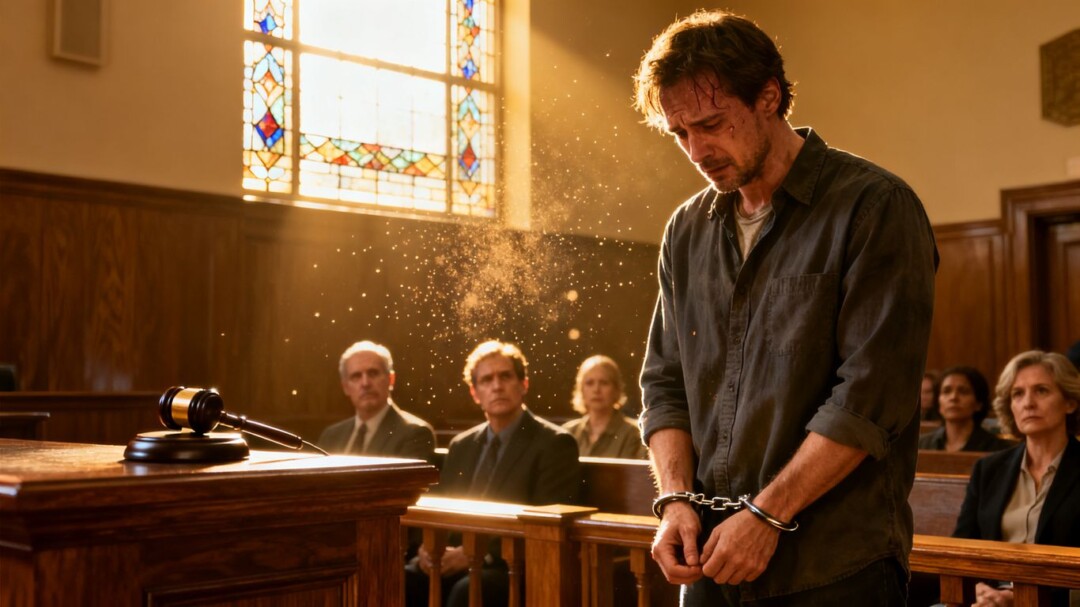
Raymond Reese, 56, acknowledged shooting South Florida real estate agent Sara Trost but told a Broward County judge that he acted to protect himself. Reese is asking the court to dismiss his first-degree murder charge under Florida’s stand-your-ground law, while prosecutors argue his account conflicts with evidence and his initial statements to police.
Key takeaways
- Reese is accused of fatally shooting Trost outside a Coral Springs home.
- He claims Trost pointed a handgun at him after he accidentally struck her Jeep.
- Prosecutors say the gun remained inside Trost’s purse and was never brandished.
- Reese initially described the shooting as a mistaken-identity incident, not self-defense.
- The judge is expected to rule on the motion next week.
Defendant presents a revised account
Trost, 40, was waiting outside a home to meet a potential buyer when Reese arrived. Reese had previously lived at the property and had been evicted. He told authorities shortly after the shooting that he believed he had shot his former landlord, whom he had not met in person.
During the recent hearing, however, Reese offered a different explanation. He testified that he accidentally clipped Trost’s Jeep while driving near the residence. When he tried to communicate with the driver, he said, Trost pointed a firearm at him through the vehicle’s window.
“Instantly, fear gripped my heart,” Reese testified, describing his belief that he was about to be killed. He said he retrieved a gun from beneath his seat and fired into the Jeep in an effort to escape what he considered an imminent threat.
Prosecutors challenge the self-defense claim
Assistant State Attorney Taylor Collins argued that Reese’s testimony is undermined by both physical evidence and his earlier statements. Investigators found Trost’s firearm inside her purse, and police witnesses said there was no indication that she had drawn or pointed it.
Prosecutors also emphasized that Reese never mentioned self-defense, a weapon or an alleged threat during his 911 call or initial police interviews. They contend that he raised the theory only later, after learning that Trost had been carrying a gun.
The state further argues that Reese’s legal connection to the property is relevant. Because he had been evicted, prosecutors question whether he had a right to be at the home—an issue that could affect whether Florida’s stand-your-ground protections apply.
What the stand-your-ground motion means
Florida law generally removes the duty to retreat when a person is legally present and reasonably believes deadly force is necessary to prevent death, great bodily harm or a forcible felony. A judge may dismiss a criminal case before trial if the evidence establishes that the law protects the defendant’s use of force.
The judge’s decision will determine whether Reese’s first-degree murder case proceeds toward trial. A conviction could carry life in prison without parole or the death penalty.
Trost’s death renewed safety concerns
Trost’s killing shocked her family, synagogue and South Florida real estate colleagues. A memorial effort raised money for her husband and daughter, while friends remembered her as a devoted broker and a generous, outgoing person.
The case has also underscored risks faced by real estate professionals who work alone with unfamiliar clients. Industry safety surveys have found that many agents feel vulnerable during open houses, private showings and meetings in secluded locations, prompting broader calls for safety training and check-in procedures.
Sources
- Real Estate Agent Sara Trost’s Killer Claims Self-Defense, The Real Deal.
- South Florida Real Estate Agent’s Killer Claims Self-Defense In Hearing, Inman Real Estate News.
- He fatally shot a Florida real estate agent. Now he says it was self defense, Tampa Bay Times.
- Man who fatally shot real estate agent claims self-defense, Sun Sentinel.