

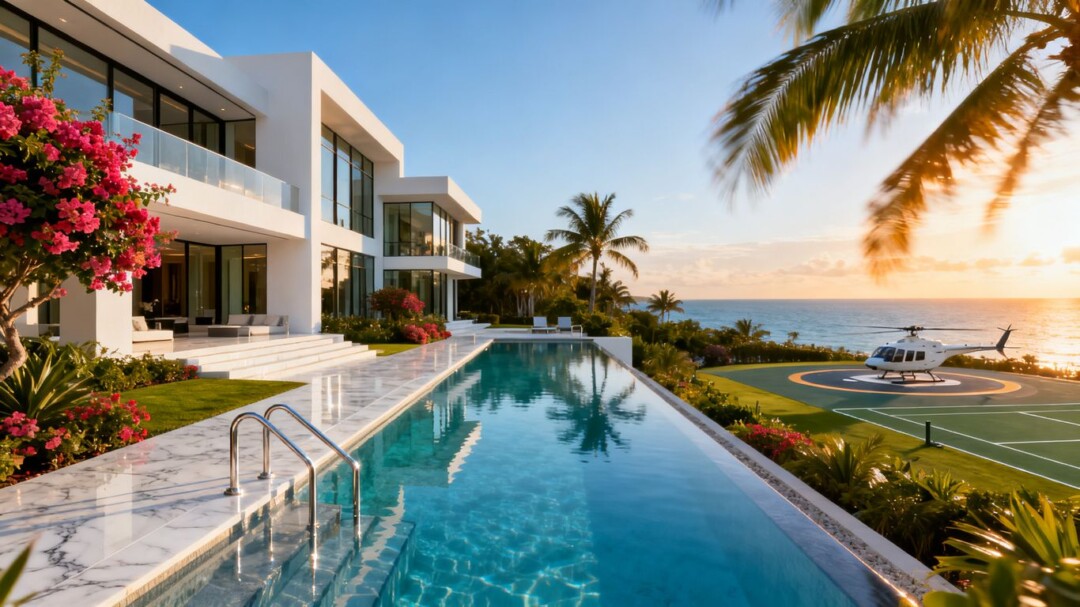
Florida’s high-end housing market is pulling sharply ahead of the broader U.S. market, with Miami and Tampa recording the nation’s fastest luxury-price growth among major metros. West Palm Beach is seeing the strongest sales gains, as wealthy buyers, limited inventory and continued business migration sustain demand despite softer conditions for typical homebuyers.
Key takeaways
- Miami luxury prices climbed 18% year over year in July, while Tampa prices rose 15.4%.
- West Palm Beach luxury sales surged 43.9%, the largest increase among major U.S. metros.
- Inventory fell 18.1% in Miami and 16.1% in Tampa.
- Florida’s luxury market is benefiting from affluent relocations, cash purchases and waterfront demand.
The figures show a growing divide between Florida’s luxury segment and its conventional housing market. While high-end prices accelerated, non-luxury prices declined 1.3% in Miami and were nearly flat in Tampa.
Miami and Tampa lead luxury-price growth
Miami recorded the strongest luxury-price increase among the 50 most populous U.S. metropolitan areas. Its median luxury sale price reached approximately $5.02 million during the three months ending in July 2026, up 18% from a year earlier.
Tampa followed with a 15.4% increase and a median luxury sale price of about $1.64 million. By comparison, luxury prices nationwide rose 5.3%, meaning the gains in both Florida metros were at least three times larger.
Luxury sales also increased in both markets, rising 8.8% in Miami and 6% in Tampa. However, pending sales growth was more modest, at 6.7% and 1.4%, respectively.
West Palm Beach posts a sales surge
West Palm Beach stood out for transaction growth rather than the largest price increase. Luxury home sales rose 43.9% year over year, compared with a 5% national increase. Pending sales climbed 20.1%, marking another strong month after nearly a year of double-digit gains.
The region has attracted affluent retirees as well as executives and finance professionals. The expansion of major financial firms has contributed to its reputation as “Wall Street South,” strengthening demand in communities such as Boca Raton, Delray Beach and Jupiter.
Wealth and scarcity support demand
Florida’s tax environment, warm climate and waterfront properties continue to attract wealthy households from states including New York and California. Ultra-high-value transactions are also influencing the market, with Florida accounting for half of the country’s priciest home sales so far in 2026.
Limited supply is adding to the upward pressure. Active listings declined 18.1% in Miami and 16.1% in Tampa. West Palm Beach also recorded a 6% inventory drop, although new listings there increased 21.9%.
Many luxury buyers can purchase with cash, reducing their exposure to elevated mortgage rates and economic uncertainty. That financial flexibility is helping the high-end market remain active even as affordability challenges weigh on ordinary buyers.
A divided Florida housing market
The latest data suggests Florida’s housing market is increasingly split by price tier. Affluent buyers continue to compete for scarce, high-quality properties, while mainstream buyers face higher borrowing costs and less favorable affordability.
Whether the luxury boom continues will depend on migration, inventory and broader economic conditions. For now, Florida’s coastal markets remain among the strongest destinations for high-end residential demand in the United States.