

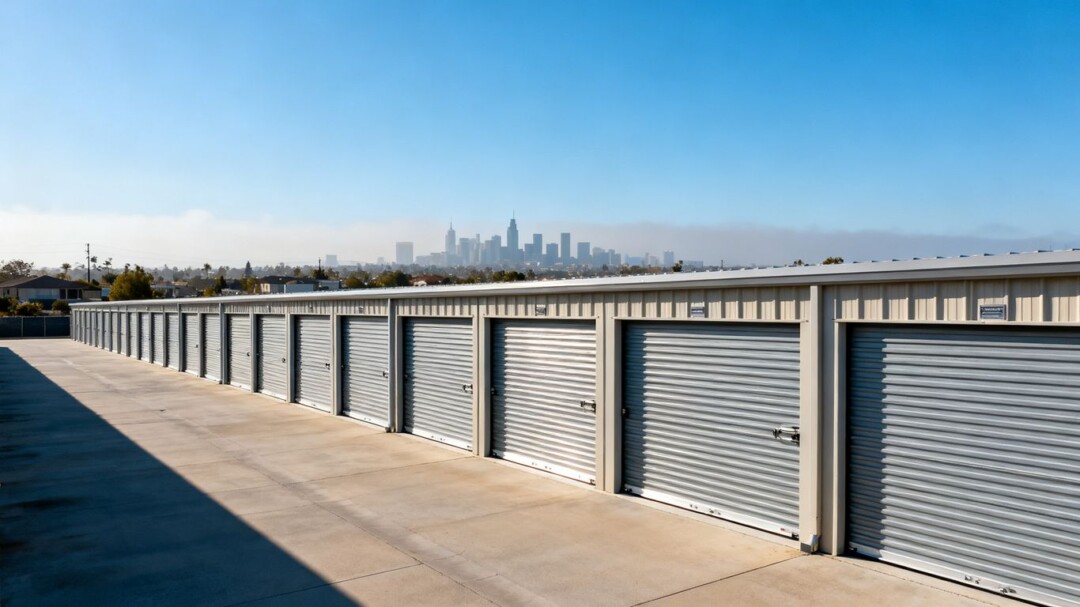
A self-storage facility in Broward County could be forced into foreclosure after a lender filed a lawsuit alleging that the property’s ownership failed to meet its loan obligations. The case seeks roughly $5 million and could ultimately lead to a court-ordered sale of the facility if the dispute is not resolved.
Key takeaways
- A Broward self-storage facility is at the center of a foreclosure case involving an alleged loan default.
- The lender is seeking approximately $5 million through the legal action.
- The property could be sold to satisfy the debt if the lender prevails.
- The allegations remain unresolved, and a foreclosure filing does not by itself transfer ownership.
The lawsuit places the Lauderhill-area self-storage property at risk of losing control of its real estate. Foreclosure cases typically seek repayment of the outstanding principal, interest, fees and other costs connected with a secured loan.
What the foreclosure case alleges
According to the reported case, the lender contends that required payments were not made under the loan agreement. The alleged default has prompted legal action aimed at enforcing the lender’s rights against the property that secured the financing.
The approximately $5 million claim may include more than the original unpaid balance. Depending on the loan documents and the court’s findings, a final judgment could account for accrued interest, late charges, legal expenses and other permitted costs.
What could happen to the facility
If the case proceeds in the lender’s favor, the court could authorize a foreclosure sale. The property would generally be marketed or sold under procedures established by Florida law, with proceeds applied toward the judgment and eligible expenses.
A foreclosure lawsuit does not necessarily mean an immediate shutdown. The facility may continue operating while the case moves through the courts, and the parties could also negotiate a loan modification, payoff, settlement or other resolution before a sale occurs.
Why the case matters
Self-storage properties are often valued on their operating income, occupancy and rental performance. A foreclosure dispute can therefore affect not only the borrower and lender but also customers, employees and potential buyers evaluating the facility.
For the ownership group, the case could result in a loss of the property or a substantial restructuring of its debt. For the lender, litigation is an effort to recover funds through the collateral after an alleged breach of the financing agreement.
What to watch next
The next significant developments are likely to include responses from the defendants, rulings on the lender’s claims and any negotiations over the alleged debt. A final outcome could take time, particularly if the parties contest the amount owed, the validity of the default or the lender’s right to foreclose.
Until a court enters judgment or the parties reach an agreement, the allegations remain claims in litigation rather than established findings. The property’s ultimate ownership and financial obligations will depend on the case’s resolution.