

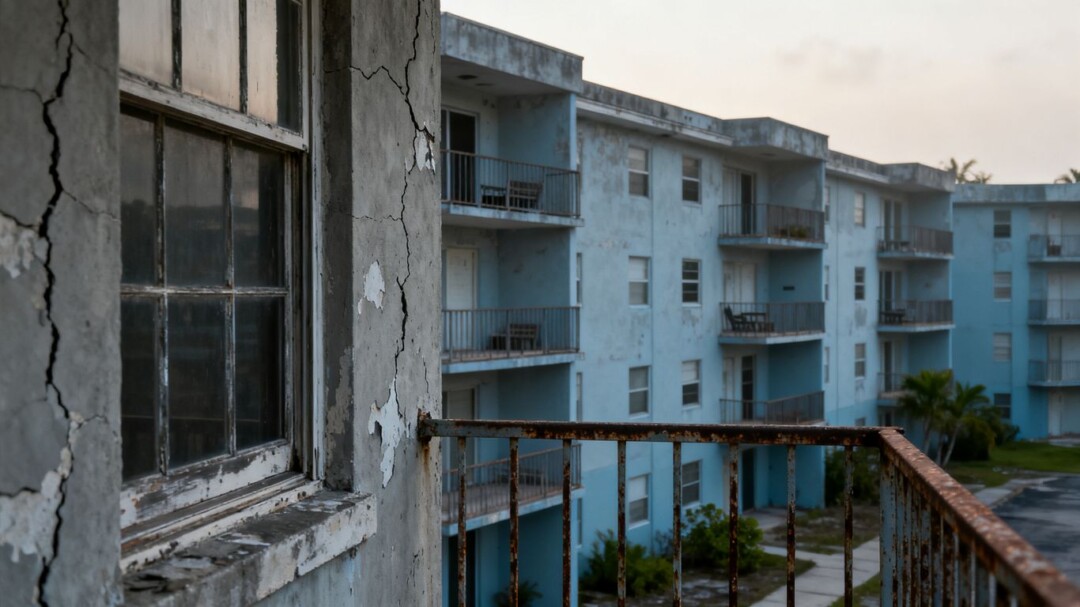
Florida’s condominium market is giving buyers more choice than in years, with 60,962 condos and townhouses listed for sale in July. But the opportunity comes with added scrutiny: aging buildings face mandatory inspections, higher reserve requirements, special assessments and tighter mortgage standards after the 2021 Surfside collapse.
Key takeaways
- Florida’s condo inventory has created negotiating opportunities, particularly for units that have lingered on the market.
- Older coastal buildings may carry substantial repair, insurance and assessment risks.
- Newer condos typically cost more but may offer fewer immediate maintenance concerns.
- Buyers should review association finances, inspection reports and meeting records before making an offer.
The market’s surplus is significant in a state with more than 1.6 million condominium units. The median July sale price for a condo or townhouse was $295,000, well below the $425,000 median for a single-family home, according to Florida Realtors data.
Older buildings face the closest scrutiny
Many available units are in buildings constructed during the 1970s and 1980s. The collapse of Champlain Towers South in Surfside, which killed 98 people in 2021, exposed the consequences of deferred maintenance and inadequate reserves.
Florida law now requires structural inspections for qualifying condominium buildings of at least three habitable stories. Associations must also maintain reserves for major structural components identified in their Structural Integrity Reserve Studies, which are generally required every 10 years. Associations cannot simply vote to eliminate or reduce those required reserves.
Association finances can affect the purchase
Higher reserve contributions may increase monthly association fees, while past underfunding can lead to special assessments for urgent repairs. A buyer should request the association’s budget, reserve study, insurance information, recent meeting minutes and a history of assessments before closing.
Mortgage approval can also depend on the building’s financial condition. Lenders are paying closer attention to reserves, deferred maintenance, insurance problems, rental concentration and repeated assessments. Beginning in January 2027, updated Fannie Mae and Freddie Mac standards are expected to raise the baseline reserve allocation from 10% to 15%, unless an approved alternative reserve study applies.
Price and timing matter
Condos that have remained listed for more than 30 days may offer greater room for negotiation. The median time to contract for Florida condos and townhouses reached 76 days in July, up from 68 days a year earlier. Buyers may find additional leverage late in the year, when some sellers are motivated to complete transactions before year-end.
Still, a low asking price does not necessarily mean a good value. Online valuation tools may miss renovations, building conditions and comparable sales. A Realtor familiar with the local condo market can provide a more realistic analysis.
New construction offers a different tradeoff
Newer developments generally cost more, but buyers may face fewer immediate repair assessments and benefit from updated amenities and building systems. Luxury projects continue to attract demand despite the broader inventory buildup.
Buyers considering an older building should compare its lower purchase price with association fees, insurance costs and the possibility of assessments. A thorough review of the association may be as important as inspecting the unit itself.
The opportunity requires due diligence
Florida’s condo surplus may create genuine bargains, but ownership risks are more complex than they were before Surfside. Buyers should treat association records, structural reports and financing eligibility as essential parts of the purchase—not paperwork to review after an offer is accepted.
Sources
- Florida condo market saturated, but buyers should know strategies, Daytona Beach News-Journal.
- Surfside collapse impacts today’s condo owners, Anna Maria Island Sun.