

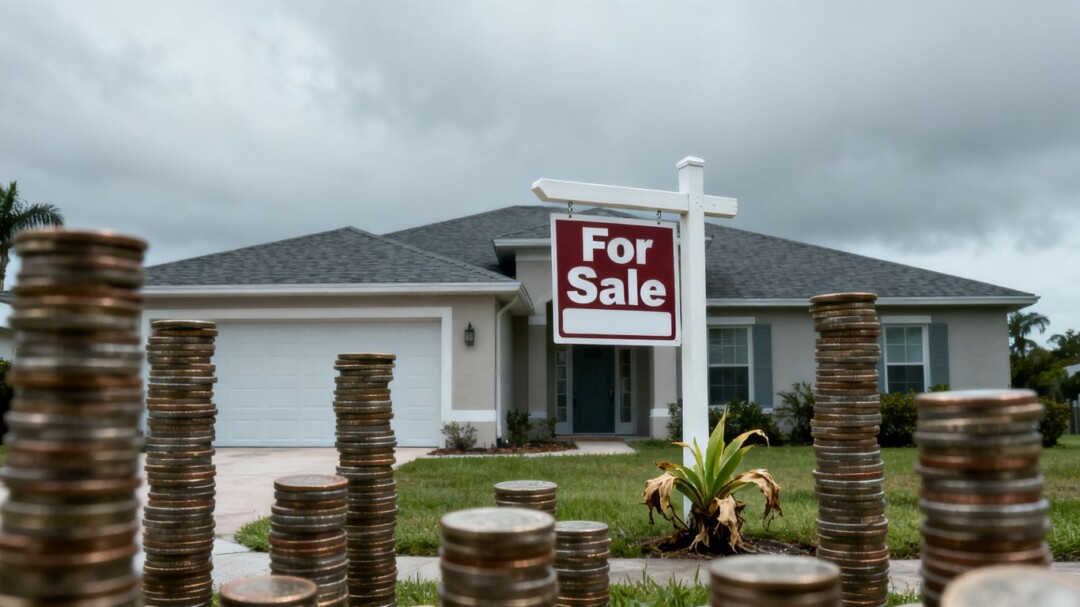
Real estate investors are increasingly turning away from Florida’s housing market, a significant shift from its previous popularity. This trend, observed in late 2025, sees investor purchases declining in the Sunshine State while picking up in West Coast cities. Factors such as soaring insurance and HOA fees, coupled with softening rental yields, are making Florida a less attractive prospect for profitable real estate ventures.
Key Takeaways
- Investor activity nationwide remained subdued in late 2025, with only marginal year-over-year changes.
- Florida experienced a notable double-digit decline in investor purchases, with Orlando leading the drop.
- Conversely, West Coast cities like Seattle saw significant increases in investor activity.
- Rising insurance and HOA costs are major deterrents for investors in Florida.
- Proposed policies aim to curb institutional investor purchases, though their impact is debated.
Geographic Divergence In Investor Activity
A recent Redfin analysis revealed a stark geographic split in investor behavior during the fourth quarter of 2025. While overall investor purchases saw a modest 2% year-over-year rise nationally, this masked significant regional differences. West Coast cities such as Seattle, Portland, and San Francisco experienced double-digit growth in investor home purchases. Seattle, in particular, led the nation with a 37% surge in investor activity. In contrast, Florida saw a pronounced pullback, with Orlando reporting the steepest drop in investor purchases at 16% year-over-year. Fort Lauderdale also experienced a significant decline of 15%.
Factors Driving The Florida Exodus
The shift away from Florida is attributed to several factors. The state’s pandemic-era boom, fueled by remote work and low interest rates, has cooled considerably. With mortgage rates more than doubling and employers mandating a return to the office, demand has softened. This, combined with a surge in new construction leading to increased inventory, has resulted in price declines and made it more challenging for investors to "flip" properties for a profit. Furthermore, skyrocketing insurance premiums and HOA fees, exacerbated by climate-related risks, have significantly eroded profit margins. Softer rental income compared to previous peaks also contributes to the reduced appeal for landlords.
A Different Calculus On The West Coast
In contrast, expensive West Coast markets present a different investment landscape. High housing prices in these areas have pushed homeownership beyond the reach of many local households, thereby bolstering rental demand. This environment motivates landlords to invest, with some anticipating a revival in demand driven by AI sector hiring and return-to-office mandates, particularly in cities like San Francisco.
Policy And Investor Presence
Despite the downturn in some areas, investors still represent a significant portion of the housing market, accounting for approximately 18% of homes sold in the fourth quarter of 2025, a rate unchanged from the previous year. Investors have also shown a preference for higher-end properties and single-family homes. Policy discussions, such as President Donald Trump’s proposal to ban institutional investors owning over 100 single-family homes from acquiring more, aim to increase supply for individual buyers. However, analysts suggest that such measures might have a limited impact, as large institutional players control a small percentage of the overall single-family housing stock.
Looking Ahead
While Florida faces headwinds for real estate investors, certain luxury markets like West Palm Beach have shown resilience, with investor purchases increasing. The broader trend, however, indicates a recalibration of investor strategies, moving away from previously overheated markets towards areas where the numbers still make financial sense, even amidst higher price points and interest rates.
Sources
- Real estate investors turn away from Florida, Mortgage Professional America.
- Investors Are Avoiding Florida’s Housing Market, Newsweek.