

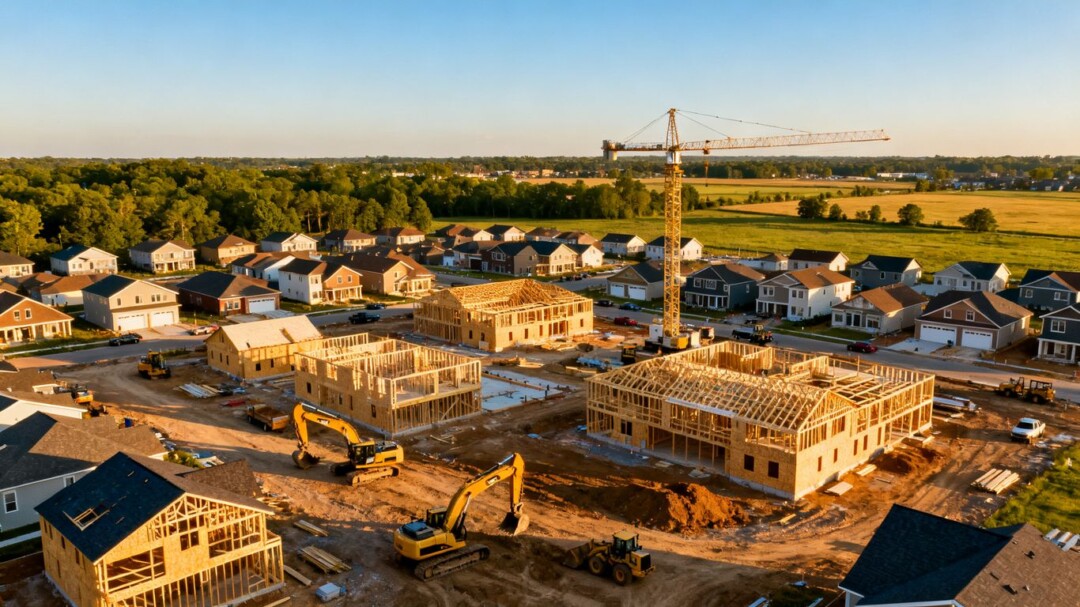
Hillsborough County commissioners have approved a significant rezoning modification, paving the way for up to 1,200 new homes within the Energy Innovation Park. This decision allows residential development in "Pocket E" of the expansive 3,000-acre site, previously earmarked primarily for industrial and energy-related uses. The approval, which passed with a 5-1 vote, also incorporates hotel uses and updates planning conditions for buffering and access.
Key Takeaways
- Hillsborough County commissioners approved the rezoning of "Pocket E" within the Energy Innovation Park for up to 1,200 homes.
- The decision allows for residential development on land previously designated for industrial and energy uses.
- Strict environmental safeguards are mandated due to the site’s history as a phosphate mining area.
- Concerns regarding environmental contamination, traffic, and development pace were raised by some residents.
Environmental Safeguards Take Center Stage
Given the property’s past as a phosphate mining site, stringent environmental testing and mitigation measures are required before any residential construction can commence. These conditions include establishing baseline gamma radiation levels, conducting sitewide gamma surveys, and collaborating with the Florida Department of Health to determine acceptable emission thresholds. If levels exceed these limits, the developer must implement specific mitigation strategies and perform additional surveys. Furthermore, radon mitigation vapor barriers will be installed under every home, with verification of federal radon standards required before occupancy permits are issued. The plan also addresses potential groundwater contamination from the nearby Sydney Mine sludge ponds Superfund site, necessitating ongoing monitoring of the 1,4-dioxane plume and proof of its stability before construction permits are granted.
Commissioners Cite Existing Development Rights
Supporters of the project, like Commissioner Joshua Wostal, argued that the property already possesses substantial development entitlements for millions of square feet of industrial and commercial uses. He emphasized that the residential component allows the county to impose environmental testing and mitigation requirements that might not have been triggered otherwise. This perspective suggests that approving the residential option provides an opportunity to enhance environmental protections on the site.
Resident Concerns Surface
During the public hearing, several residents voiced opposition, citing worries about environmental contamination, increased traffic, and the rapid pace of development in eastern Hillsborough County. Concerns were raised about the adequacy of testing for contaminants linked to historical phosphate mining, potential radon exposure, groundwater pollution, and the impact on wildlife habitats. One resident, Courtney Danielle Kimbro, questioned the decision, stating, "Just because you can doesn’t mean you should," highlighting the pressures of growth in the area.
Project Moves Forward Amidst Oversight
Despite resident objections, the majority of commissioners found the project’s environmental conditions and existing development rights sufficient for approval. They stressed that this decision is an initial step, and extensive environmental reviews and coordination with state and federal agencies will continue before any homes are built. Project attorney Jake Kramer assured commissioners that multiple agencies would oversee the environmental testing as the project progresses. The Energy Innovation Park is situated within the I-4 growth corridor, identified by county planners as a key area for future development within the urban service boundary. Developers envision it as a long-term, mixed-use community.
Sources
- Hillsborough approves 1,200 homes at Energy Innovation Park, Tampa Bay Business & Wealth.
- Hillsborough County approves 1,200 homes at Energy Innovation Park, The Business Journals.