

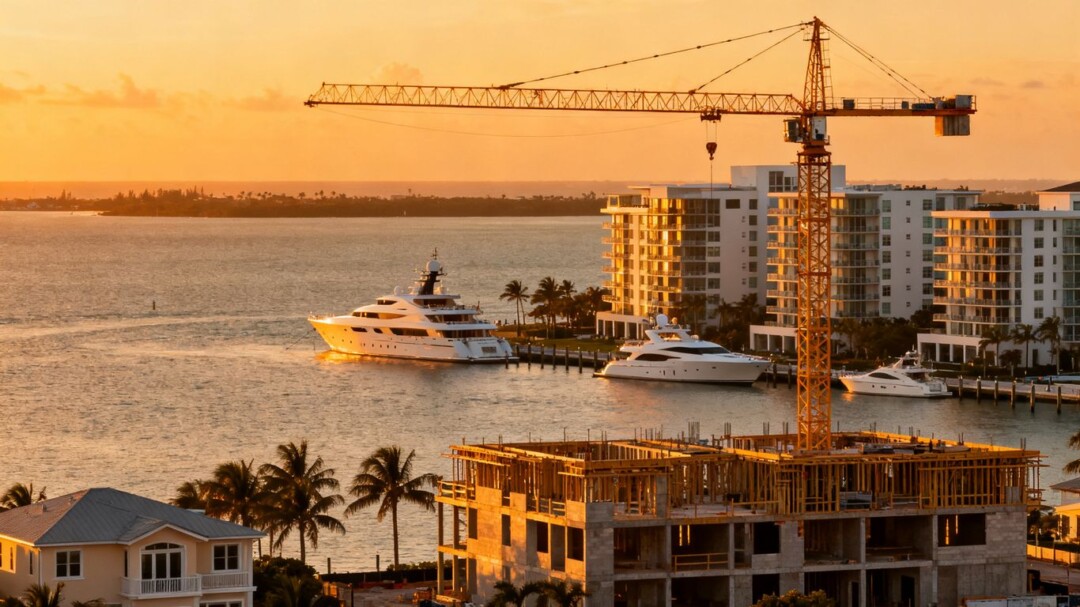
Florida’s economy, heavily reliant on its robust real estate sector, is navigating a complex landscape marked by an influx of wealthy residents, escalating housing costs, and a significant rise in insurance premiums. This dynamic is creating affordability challenges for the middle class and contributing to an increase in foreclosures across the state.
Key Takeaways
- Florida’s real estate market plays a larger role in its economy than in any other state.
- A surge of high-income individuals moving to Florida has driven up home prices, impacting affordability for existing residents.
- Soaring insurance premiums are a primary driver of foreclosures, alongside rising mortgage rates and general living expenses.
- The middle class is increasingly being priced out of desirable housing markets, leading to a "reshaping" of communities.
Wealth Migration and Housing Market Strain
Florida has become a magnet for wealthy individuals, attracting billions in adjusted gross income from new residents. This influx, coupled with limited housing supply and historically low mortgage rates, has significantly inflated home prices. The average income of those moving to Florida is substantially higher than the state’s median household income, creating a competitive market where cash offers often prevail, disadvantaging local buyers reliant on financing.
The Middle-Class Squeeze
The rising cost of housing, exacerbated by high insurance premiums—which are significantly above the national average—is pushing many Floridians into "cost-burdened" situations, where shelter costs exceed 30% of their income. This pressure is particularly acute for households earning between $75,000 and $125,000, who may not qualify for subsidies but struggle to afford the full cost of homeownership. Consequently, some residents are seeking more affordable areas within Florida or relocating out of state.
Foreclosures on the Rise
Florida is now experiencing one of the highest foreclosure rates in the nation. Elevated insurance costs, combined with mounting household debt, the end of pandemic-related mortgage relief programs, and persistent inflation, are forcing homeowners to the brink. Short sales are becoming more common as homeowners seek alternatives to foreclosure. Experts suggest that state-level policy changes, such as zoning reforms to allow for more diverse housing options, could help alleviate some of these pressures.
Economic Interdependence
The state’s economy is deeply intertwined with its real estate market. While the influx of wealth contributes to the Gross Domestic Product (GDP), the resulting affordability crisis poses a structural challenge. Industries reliant on a stable workforce, such as retail and hospitality, are feeling the impact as essential workers are priced out of the communities they serve. The "Florida promise" of growth and upward mobility remains, but its accessibility is increasingly challenged by the rising cost of living.
Sources
- Florida real estate bigger part of economy than any other state, report says, Tampa Bay Times.
- Florida’s influx of rich residents is killing the middle class and housing market, Fortune.
- Insurance premiums emerge as frontline driver of Florida foreclosures, Insurance Business.
- Florida foreclosures on the rise as insurance costs, debt squeeze homeowners, WKMG.
- Real estate economy fuels Sunshine State GDP, Florida Trend.