

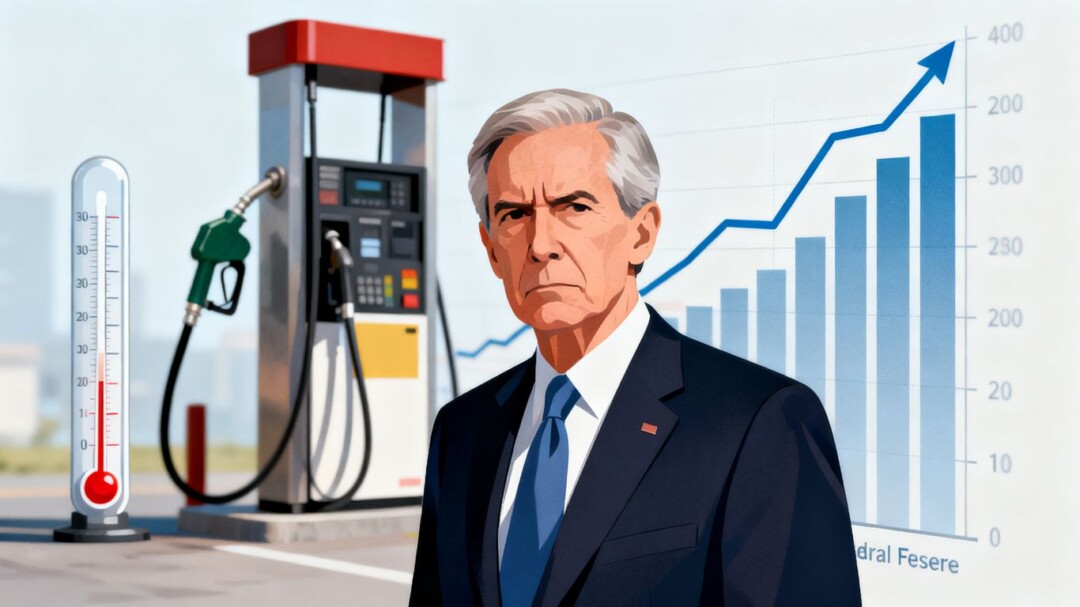
The Federal Reserve raised its benchmark interest rate for the first time in three years, citing persistent inflation, resilient consumer spending and steady employment. The quarter-point increase pushes the federal funds target range to 3.75%–4.00% as energy prices surge amid geopolitical conflict and borrowing costs weigh on housing demand.
Key takeaways
- The Fed unanimously approved a 0.25-percentage-point rate increase.
- The federal funds target range is now 3.75%–4.00%.
- Inflation remains above the central bank’s 2% target.
- Mortgage rates are already near 7%, limiting housing activity.
- Economists expect additional rate increases over the next year.
The decision marks a significant shift after three years without a rate increase. Policymakers had cut rates during the previous year amid concerns about the labor market, but those fears have not materialized. Unemployment has remained broadly stable, while economic activity has continued to expand.
Inflation and energy prices drive the decision
The Fed’s move comes as inflation remains well above its long-term goal. Energy costs have added to price pressures, with disruptions linked to conflicts in Iran and Ukraine pushing fuel prices higher. Diesel prices surpassed $6 per gallon during the week of the announcement, increasing transportation and operating costs across the economy.
In its statement, the Federal Open Market Committee said economic activity was expanding at a solid pace. It also pointed to resilient domestic spending, strong productivity growth and robust capital investment, despite elevated uncertainty caused in part by geopolitical developments.
Housing market feels renewed pressure
Higher borrowing costs are already slowing the housing market. The average contract rate for a 30-year mortgage approached 7% in the Mortgage Bankers Association’s latest weekly survey, released shortly before the Fed’s Sept. 16 announcement.
Mortgage applications fell 4.1% for the week ending Sept. 11. The decline reflects the combined effect of elevated home prices, limited affordability and rising financing costs, which have reduced the purchasing power of prospective buyers and discouraged refinancing activity.
Mortgage rates may see a limited immediate reaction
Although the Fed controls short-term interest rates, mortgage rates are influenced more directly by longer-term bond yields and market expectations. Because investors had largely anticipated the latest increase—and possible future hikes—mortgage rates may not move sharply in response to the announcement.
Mike Fratantoni, chief economist at the Mortgage Bankers Association, said the organization expects two additional Fed increases over the next year and mortgage rates to remain near current levels during that period. That outlook suggests housing activity could remain subdued unless inflation cools or longer-term yields decline.
Fed balances inflation against employment
The central bank’s dual mandate is to promote maximum employment while maintaining price stability. With job gains keeping pace with workforce growth and unemployment changing little, officials have more room to prioritize inflation control.
The unanimous 12–0 vote signals broad agreement among policymakers that rates need to move higher. Future decisions will likely depend on incoming inflation, employment and economic-growth data, as well as whether energy shocks continue to spread through the broader economy.