

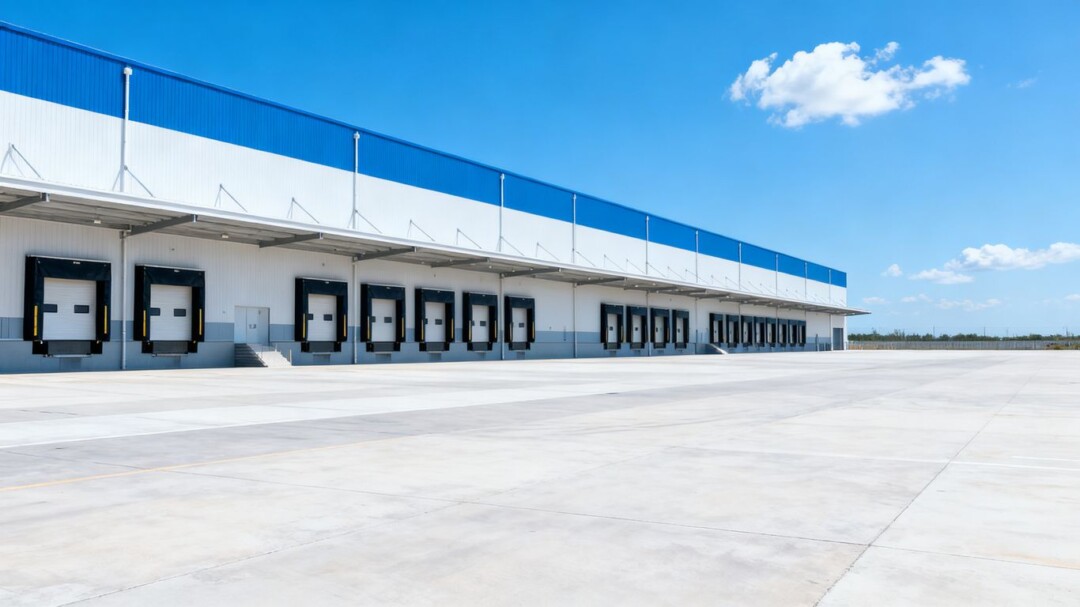
A uniform company has purchased a warehouse in Miami-Dade County for $31 million, adding another significant industrial transaction to South Florida’s active logistics and distribution market. The deal highlights continued demand for strategically located warehouse space, even as buyers and tenants navigate elevated costs and a changing commercial real estate environment.
Key takeaways
The transaction underscores the importance of industrial property to companies that need space for inventory, operations and regional distribution.
- A uniform company acquired a Miami-Dade warehouse for $31 million.
- The deal adds to a steady flow of industrial investment across South Florida.
- Miami-Dade remains attractive because of its access to major transportation routes, population centers and trade infrastructure.
- Continued demand could support pricing for well-located, functional warehouse properties.
Why the purchase matters
For a uniform company, owning a warehouse can provide greater control over storage, fulfillment and operating costs than relying entirely on leased space. Ownership may also offer long-term flexibility as the company expands its South Florida presence or adjusts its distribution strategy.
The purchase also reflects the broader role industrial real estate plays in the regional economy. Warehouses support a wide range of businesses, including manufacturers, wholesalers, retailers, service providers and e-commerce operators.
Miami-Dade remains a critical industrial market
Miami-Dade’s industrial properties benefit from proximity to dense consumer markets and major transportation connections. The county’s location also makes it an important link between domestic distribution networks and international trade routes serving South Florida and Latin America.
That combination has helped keep industrial assets in demand, particularly properties that offer practical layouts, reliable access and proximity to customers or transportation infrastructure. Buyers are increasingly focused on facilities that can support efficient operations rather than simply seeking additional square footage.
Market implications across South Florida
The $31 million sale comes as industrial demand continues across Miami-Dade, Broward and Palm Beach counties. Although financing conditions, construction expenses and interest rates can affect transaction volume, companies still need warehouse space to serve a growing population and expanding regional commerce.
The deal may also reinforce the appeal of industrial real estate as an investment category. Well-positioned properties can attract both owner-users and institutional buyers, creating competition for assets in established logistics corridors.
What to watch next
Future activity will depend on several factors, including borrowing costs, new industrial construction and the availability of existing warehouses. If demand remains resilient while developable land stays limited, property owners may retain significant negotiating power.
At the same time, companies will continue weighing the benefits of ownership against the capital required for a purchase. The Miami-Dade acquisition suggests that, for at least some industrial users, securing a long-term operating base remains worth the investment.