

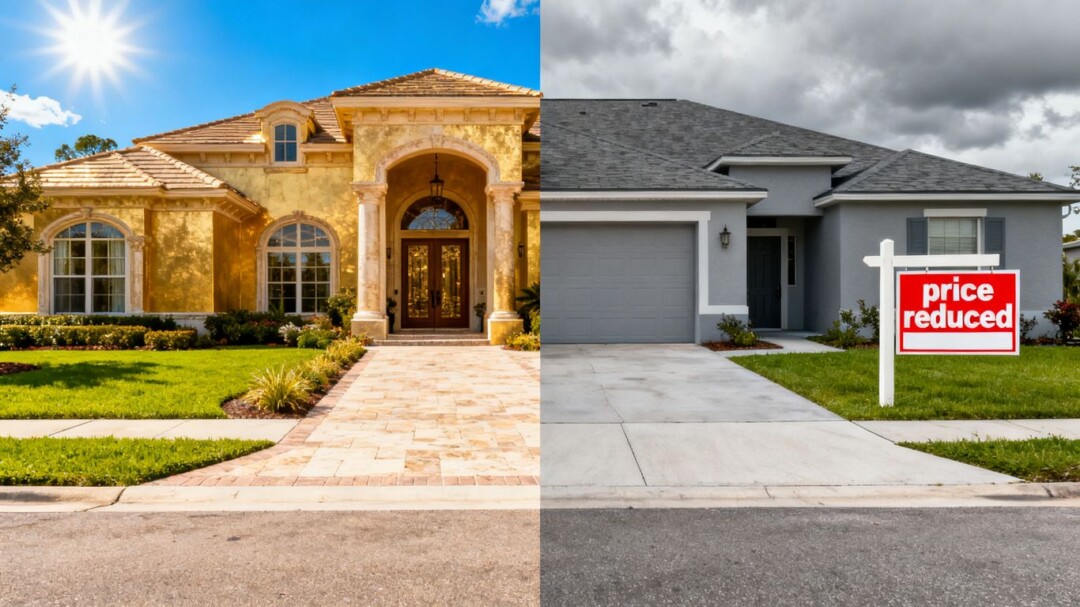
Orlando’s housing market is moving closer to balance, with more homes available, longer selling times and nearly half of listings receiving price reductions. Yet the metro is far from uniform: well-priced homes in desirable neighborhoods can attract multiple offers within days, while vacation-oriented and overpriced properties may remain on the market for months.
Key takeaways
- Orlando had 8,887 active listings, with a median list price of $485,000.
- Nearly 49% of listings had undergone a price reduction.
- Well-priced homes in sought-after communities can sell within one or two weeks.
- Vacation-rental markets face more pressure than core suburban and primary-residence areas.
- Insurance, financing and builder incentives are reshaping buyer and seller decisions.
The figures point to a more normalized market, but averages obscure major differences among Orlando’s neighborhoods and property types. Conditions vary according to location, new-construction competition, intended use and whether a home is priced in line with current buyer expectations.
Pricing is determining which homes move
Orlando’s median list price remains above the statewide median of $474,999, while homes spend an average of 123 days on the market. However, agents say those figures conceal a sharp divide between properties that are positioned correctly and those priced according to the boom years of 2021 and 2022.
Homes that are attractive, well-maintained and competitively priced can still generate multiple offers. Sellers who anchor their expectations to older sales, meanwhile, are more likely to face repeated reductions and extended marketing periods. Current pending sales and recent comparable properties have become especially important in setting asking prices.
Vacation markets face greater headwinds
Short-term-rental areas around Kissimmee, ChampionsGate and southwest Orlando are experiencing more significant challenges. Demand from investors has weakened, leaving some neighborhoods with elevated supply and frequent price cuts. Property managers are also reporting a softer vacation season and higher vacancy concerns.
Agents expect those markets to feel additional pressure later in the year, even as demand for primary residences remains comparatively resilient. Areas with limited new construction and established local demand are generally holding their values better.
Builders and financing are influencing buyers
New-home builders are offering unusually large incentives in some suburban markets, putting pressure on owners of existing homes. Rate buydowns and other concessions can make new construction more affordable on a monthly basis, even when mortgage rates remain higher than during the pandemic-era market.
Buyers are also using temporary rate reductions, including three-two-one buydowns, to lower payments during the early years of a loan. These strategies are helping maintain interest among households that can qualify for financing but are sensitive to monthly costs.
Affordability extends beyond the mortgage
Insurance is becoming a larger part of the affordability equation in Florida. Rising premiums and changing coverage requirements could increase ownership costs, including for some homeowners who do not live in designated flood zones.
Despite those pressures, Central Florida continues to draw new residents, including higher-income households. That migration is helping support demand, particularly in the upper end of the market.
A more conventional market rewards preparation
Local agents describe Orlando as a balanced market rather than a distressed one. Buyers have more selection and negotiating leverage, while sellers must compete on price, condition and accessibility.
The central lesson is straightforward: Orlando cannot be treated as a single housing market. Sellers who price for current conditions may still benefit from strong demand, while buyers have more opportunities to negotiate—but the most desirable homes can continue to move quickly.