

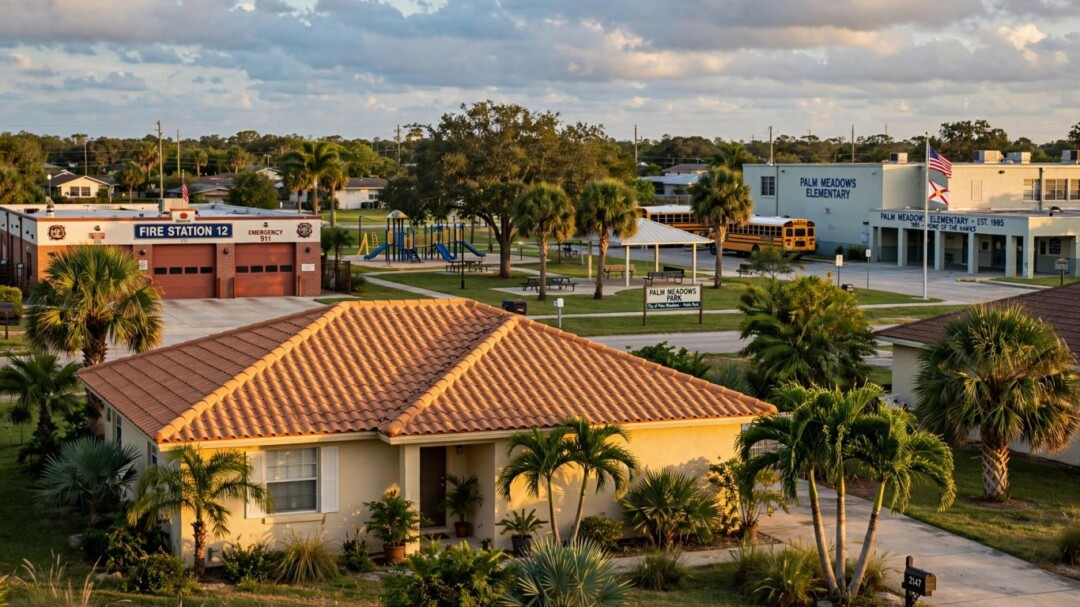
Florida Amendment 3 is putting the promise of lower property taxes for homeowners up against concerns about funding for police, parks and other local services. Supporters say the measure could ease housing costs and pressure governments to curb spending. Opponents warn that lost revenue may force cuts, delayed projects or new fees. Voters need 60% approval for it to pass.
Key takeaways
- The proposal would substantially expand the homestead exemption for Floridians who live in their homes.
- Homeowners could save significantly, but the amount would vary by property and tax district.
- Local officials warn that reduced revenue could affect public safety, parks, libraries and infrastructure.
- A UNF poll cited in coverage put support at about 50%, short of the 60% threshold.
The debate is not only about tax bills: it is also about how cities and counties would respond to a smaller revenue base. The effects would depend on local budgets, tax rates and decisions about services and fees.
How the proposal could change tax bills
Amendment 3 would increase the homestead exemption for primary residences. The proposal would roughly triple the current exemption of about $50,000 in its first stage and raise it to $250,000 in 2028. Homeowners would continue paying property taxes for schools, which are excluded from the proposed change.
Savings would differ based on a home’s assessed value, local tax rates and how long its owner has claimed a homestead exemption. Illustrative Tampa Bay calculations found that some newer homeowners could see their non-school property tax bills fall by roughly half. Longtime owners with substantial tax protections under Florida’s Save Our Homes rules could also benefit, though not necessarily by the same share.
Public safety and local budgets at stake
Local leaders say reduced property tax revenue could leave fewer dollars for police and fire protection, parks, youth programs, libraries, transit and capital projects. In Juno Beach, Mayor Dave Santilli said the town would have to reconsider its budget, including its approach to police services, if revenue fell. He also warned that projects could be delayed or abandoned.
Tampa Bay estimates cited in reporting illustrate the scale of the concern: Hillsborough County staff projected potential annual losses of up to $367 million by 2028, while Tampa officials forecast losses reaching tens of millions of dollars. These are projections, not guaranteed outcomes; the final impact would depend on revenue and budget decisions.
Supporters and critics make competing cases
Supporters, including Florida Realtors, argue that homeowners need relief and that local governments should rein in spending. Real estate agent Kevin Kent said the measure could help residents keep more of their money and encourage municipalities to prioritize expenditures.
The Florida Sheriffs Association is campaigning against the amendment, reflecting concerns that lower revenue could constrain public safety budgets. Critics also warn that governments might respond with service reductions, staffing changes or new and higher fees. Those fees could affect property owners beyond homesteaded households, including landlords, who may pass some costs along to renters.
What remains uncertain
The proposal would also lower the annual assessment cap for non-primary residences, including rental and commercial properties, from 10% to 5%. It would phase in the exemption differently for people who become Florida residents beginning in 2027. The effects would therefore extend beyond owner-occupants, even though they stand to receive the clearest direct tax benefit.
If approved, local governments would still have choices about how to balance budgets, but those choices could involve trade-offs among taxes, fees and services. With reported support around 50% and a 60% passage requirement, the amendment faces both a steep electoral bar and unresolved questions about how communities would adapt.