

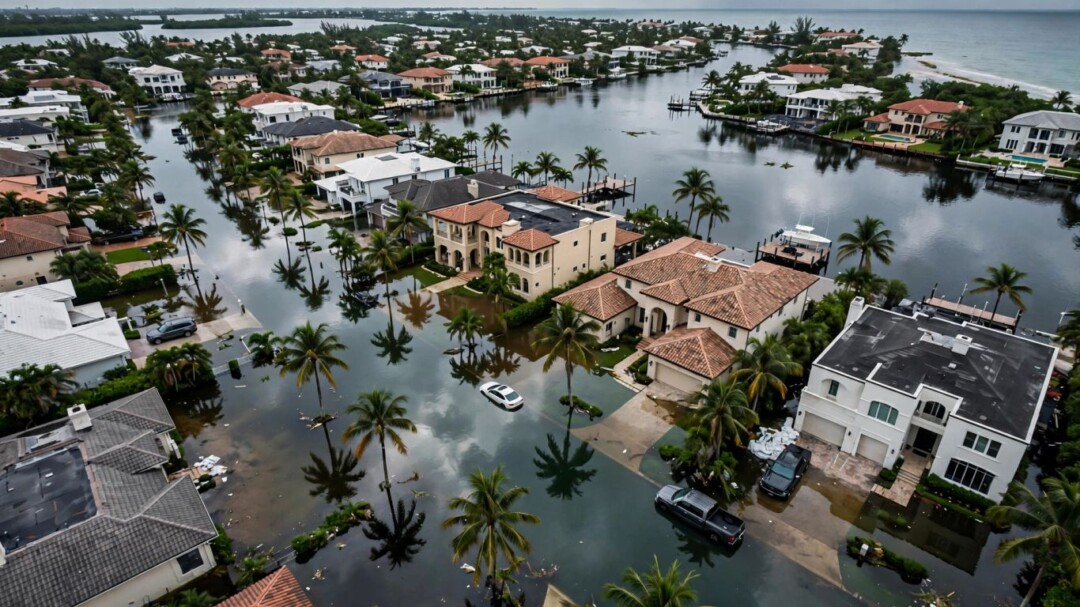
Seasonal king tides are drawing fresh attention to the risks facing South Florida’s waterfront neighborhoods. Reports warn that recurring tidal flooding can affect streets, yards and access to homes, potentially weakening curb appeal and complicating buyers’ assessments of property. The warnings highlight a growing concern, but do not establish that every exposed home will lose value.
Key takeaways
- King tides can push water onto low-lying roads and properties, even without a major storm.
- Repeated flooding may affect appearance, maintenance costs and buyer confidence.
- Property-value impacts vary with elevation, flood history, drainage and protective measures.
- A king tide is a seasonal high tide, not a forecast of storm damage.
Why king tides matter to waterfront neighborhoods
King tides are unusually high seasonal tides that can raise water levels enough to cause flooding in places with limited elevation or drainage. In South Florida, that may mean water collecting on streets, entering yards or making local routes harder to use. The effects can be especially visible in waterfront areas, where access and outdoor amenities are part of a home’s appeal.
Unlike storm surge, king tides do not require a hurricane or severe weather. Their recurring nature can make them a practical test of how streets, drainage systems and properties handle high water. Flooding can still vary from one block to another, depending on local conditions.
How repeated flooding could affect property appeal
Standing water, salt exposure and water-related wear can create maintenance concerns and detract from a property’s appearance. Flooded access roads may also influence how prospective buyers view daily convenience. Over time, repeated episodes could lead buyers to ask more questions about a home’s flood history, insurance costs and resilience measures.
Those concerns do not translate into a uniform drop in prices. Property values also depend on location, housing demand, building condition and the effectiveness of drainage or flood protection. The warnings point to a risk to appeal and marketability, not a guaranteed decline for every waterfront home.
What homeowners and buyers can consider
Homeowners can document flooding, maintain drainage systems and review whether practical improvements—such as elevating vulnerable equipment or adding flood barriers—fit their property. Buyers can ask about past water intrusion, street access during high tides, insurance and any resilience work, rather than relying on a neighborhood’s waterfront reputation alone.
Local flood maps and official tide information can help put a property’s exposure in context. Because conditions differ even within the same neighborhood, property-specific records and inspections are more useful than broad assumptions about all South Florida waterfront real estate.