

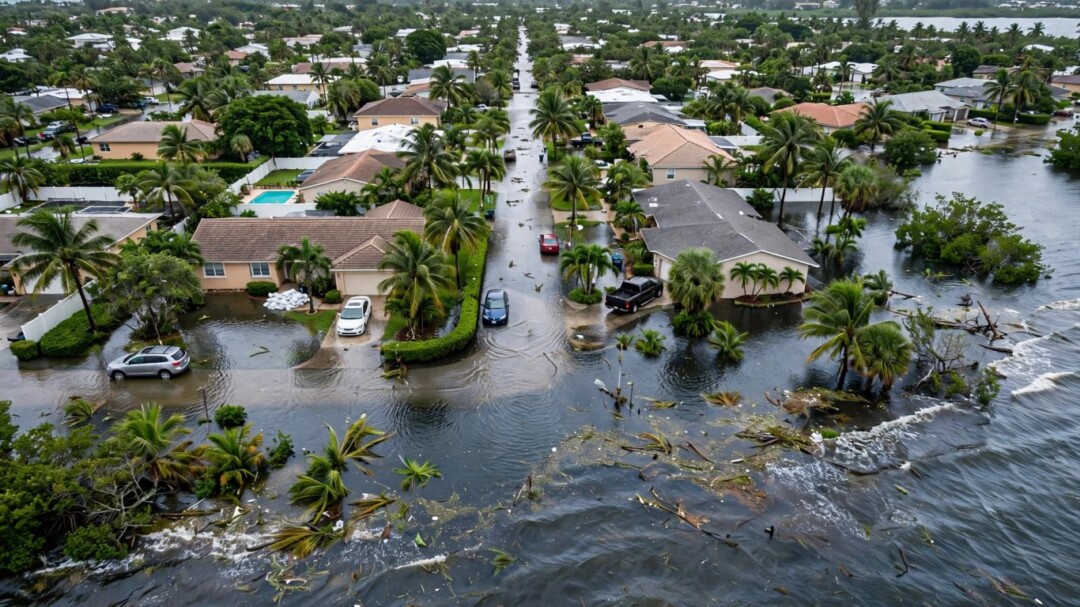
South Florida’s seasonal king tides are renewing concerns about street flooding and the appearance of waterfront neighborhoods. The unusually high tides can push water onto low-lying roads and public spaces, complicating travel and leaving residents to weigh immediate cleanup against longer-term questions about drainage, property upkeep and coastal resilience.
Key takeaways
King tides are a predictable natural cycle, but their effects can be disruptive in places already vulnerable to high water. The concerns extend beyond flooded streets to how repeated inundation affects homes, landscaping and neighborhood character.
- High tides can flood low-lying roads and sidewalks, sometimes disrupting routine travel.
- Saltwater and standing water may damage landscaping and outdoor features.
- Residents can monitor tide forecasts, avoid driving through floodwater and report drainage problems to local authorities.
Why king tides bring water into neighborhoods
King tides are exceptionally high tides that occur when the gravitational effects of the moon and sun align with the regular tidal cycle. They are not caused by a storm, though rainfall, wind and other conditions can add to flooding. In low-lying parts of South Florida, elevated water levels may reach streets and yards through coastal waterways or drainage systems.
The extent of flooding varies by location and conditions. A high tide can create temporary nuisance flooding in one area while leaving nearby streets passable. Repeated episodes, however, can make everyday access less predictable for residents and visitors.
Flooding raises practical and aesthetic concerns
For neighborhoods, the immediate issue is often whether roads, sidewalks and driveways remain usable. Floodwater can also carry debris and leave mud or salt residue after it recedes. Repeated exposure may stress lawns, ornamental plants, outdoor fixtures and other features that shape a home’s curb appeal.
Those effects can create added maintenance for homeowners and property managers. Visible water damage or deteriorating landscaping may influence how residents perceive a block, although the impact varies with the depth and duration of flooding and the materials involved.
Preparing for high-water periods
Residents can check local tide and weather information before traveling, especially when routes pass through known low spots. Drivers should never enter water if its depth or the condition of the road is unclear; floodwater can conceal hazards. Keeping drains near a property clear of leaves and debris may help with rainwater, though it cannot prevent coastal water from rising.
Longer-term responses depend on local conditions and infrastructure. Cities may assess drainage, road elevation and other measures to reduce recurring impacts, while homeowners can document flooding and review how water affects landscaping and outdoor equipment. King tides are temporary, but their recurrence offers communities a visible reminder of the challenges facing low-lying coastal neighborhoods.