

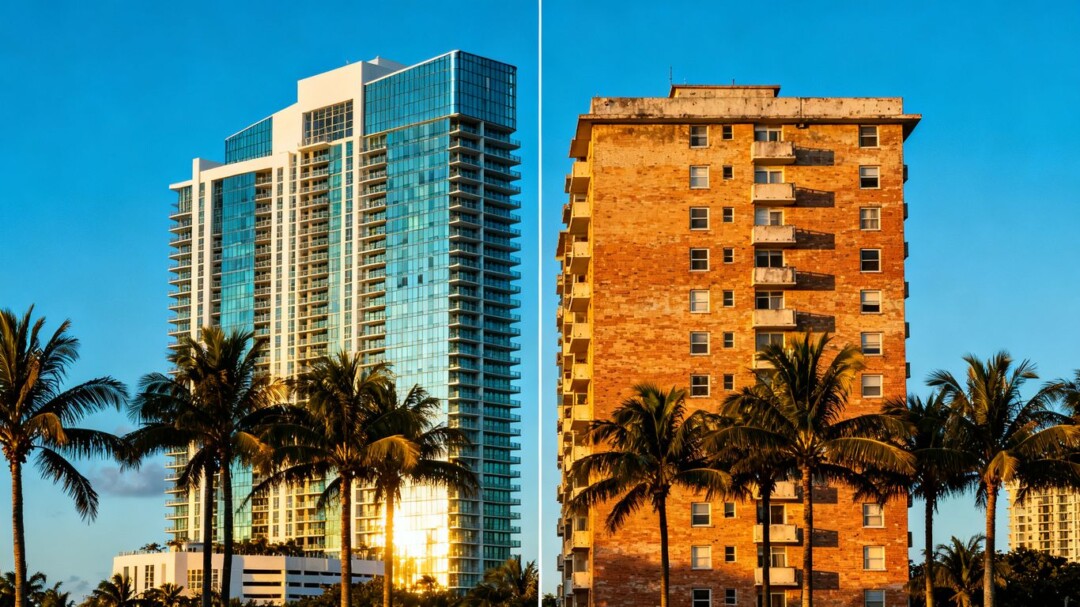
The first quarter of 2026 reveals a bifurcated Miami real estate market, characterized by two distinct economic forces. A traditional demand-driven housing sector coexists with a global ultra-wealth scarcity market, each operating on different cycles and influencing prices uniquely. This report delves into the nuances of these micro-markets, offering insights for buyers, sellers, and investors navigating this complex landscape.
Key Takeaways
- Miami’s real estate market is no longer monolithic; it’s divided into two parallel economies: a traditional demand-driven market and an ultra-wealth scarcity market.
- Pricing, demand, and negotiation dynamics vary significantly across different neighborhoods and property types.
- Understanding these micro-markets is crucial for successful real estate transactions in 2026.
The Dual Economic Model
The Miami real estate market in Q1 2026 is operating under a "two-economy model." The first is the traditional demand-driven economy, influenced by local income, second-home buyers, and financing conditions. This segment behaves like a conventional housing market. Core neighborhoods include Kendall, North Miami, Aventura, and parts of Edgewater and Downtown Miami.
The second is the ultra-wealth scarcity economy, driven by global wealth migration, all-cash transactions, and lifestyle relocations. This segment acts more like a global luxury asset class, where scarcity in prime coastal and waterfront locations dictates pricing. Key neighborhoods include Coral Gables, the core of Brickell, South of Fifth, Coconut Grove, Bal Harbour, Surfside, Fisher Island, Golden Beach, and ultra-prime Miami Beach waterfront areas.
The Condo Market Divide
The condo market also reflects this split, with buildings categorized into strong, stable, and weak performers. The "weak 50%" often comprises older buildings with dated finishes, generic designs, smaller floor plans, and less desirable locations. Conversely, the "strong 20%" are characterized by branded residences, signature architecture, larger units suitable for primary residences, resort-level amenities, and prime waterfront locations.
The "stable middle tier" represents buildings that balance several positive factors, with their future performance dependent on strategic decisions like reinvestment and rental policy management. This segmentation highlights that building quality and specific attributes now play as significant a role as neighborhood location in determining market performance.
Navigating the Market in 2026
For buyers, the fragmented market presents both opportunities and risks. Strategic buyers can find misaligned assets, particularly in segments adjusting to new supply or shifting demand. However, truly scarce, high-quality properties remain competitive. Sellers must tailor their strategies, with pricing power strongest in scarcity-driven segments, while supply-heavy markets require sharper positioning and pricing discipline.
Success in Miami’s 2026 real estate market hinges on micro-positioning, precise timing, and property-specific strategies rather than broad market trends. Understanding which specific market segment a property belongs to is paramount for making informed decisions and achieving desired outcomes.