

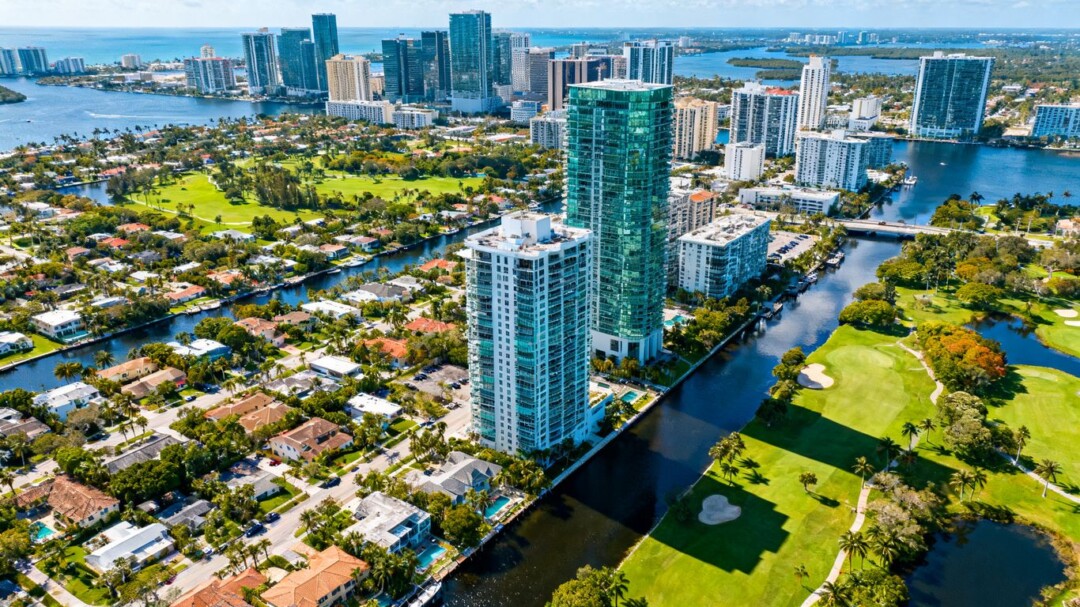
Fort Lauderdale is witnessing a significant surge in large-scale, mixed-use developments designed to function as self-contained "communities within communities." These ambitious projects, showcased at a recent Urban Land Institute conference, aim to integrate residential, retail, hospitality, and entertainment options, reshaping the city’s urban landscape and economy.
Key Takeaways
- Fort Lauderdale is actively pursuing the development of large, integrated "village-like" communities.
- Waterfront development is a major focus, leveraging the city’s extensive waterways.
- Projects aim to create walkable environments that boost local economies and offer a live-work-play lifestyle.
- Concerns about traffic and overcrowding are being raised by residents and officials.
- The city is attracting businesses in finance, technology, life sciences, aviation, and maritime industries.
Redefining Fort Lauderdale’s Skyline
Fort Lauderdale is experiencing a wave of transformative development, with projects like the proposed Galleria Mall redevelopment, the Bahia Mar remake, and the FAT Village arts district leading the charge. These initiatives aim to create vibrant, self-sufficient enclaves that cater to a variety of needs, from housing and retail to entertainment and hospitality. The city’s economic engine is significantly driven by its waterfront, with over $12 billion in waterfront development redefining its skyline. This focus on water is central to the city’s identity and competitive edge, as highlighted by the "Fueled by Water" marketing campaign.
Major Development Projects
Several key projects are at the forefront of this development trend:
- Galleria Mall: A proposal for multiple high-rise towers, including housing, a hotel, and continued retail, is stirring debate over potential overcrowding and traffic.
- Bahia Mar: This project involves a luxury St. Regis Hotel and four condo towers on city-owned land, aiming to revitalize the area and support local initiatives through sales proceeds.
- FAT Village: Located in Flagler Village, this mixed-use project focuses on office space, residences, retail, and an arts district, designed to foster a dynamic live-work-play environment.
- Pier Sixty-Six Resort: The recently completed Phase I of this iconic property has been transformed into a lifestyle enclave featuring condos, an expanded hotel, offices, retail, and a marina.
Economic Impact and Liveability
These developments are designed to enhance Fort Lauderdale’s appeal as a destination for both residents and businesses. The emphasis on density and walkability is seen as crucial for supporting local businesses and creating a thriving urban environment. John Boyd, president of The Boyd Company, notes that Fort Lauderdale’s beachfront location and extensive waterways are key differentiators in attracting businesses and residents seeking a live-work-play lifestyle. The city has successfully leveraged these assets to attract companies in finance, technology, life sciences, aviation, and the maritime sector.
Addressing Challenges and Future Outlook
While the momentum for these large-scale projects is strong, concerns regarding traffic congestion and increased population density are being voiced by local politicians and residents. However, developers like Russell Galbut emphasize the importance of creating 24-hour communities with essential amenities, suggesting that projects incorporating affordable housing, potentially under the state’s Live Local Act, are key to building sustainable communities. The future of office space development remains challenging, with a focus shifting towards enhancing existing buildings with amenities to encourage workers to return. Despite these challenges, the overall outlook for Fort Lauderdale’s development is positive, with a growing synergy between various "village" enclaves contributing to the city’s vibrant urban fabric.