

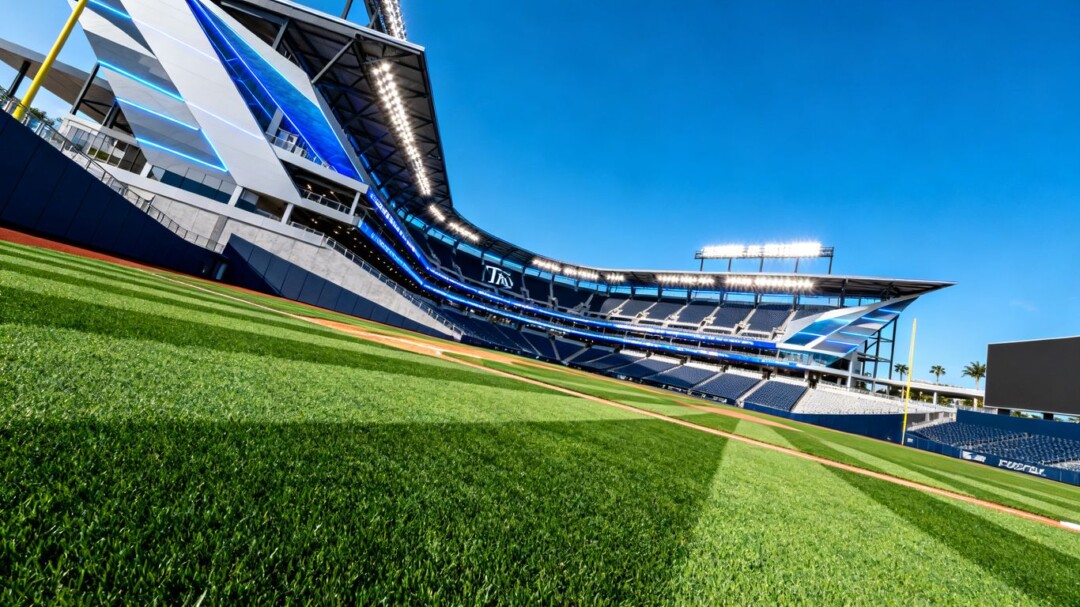
The Tampa Bay Rays are advancing plans for a new $2.3 billion ballpark, recently unveiling interior designs featuring a translucent roof and intimate seating. While the team performs well on the field, the project faces ongoing funding negotiations and skepticism from economists regarding the promised multi-billion dollar economic impact.
Key takeaways
- The proposed $2.3 billion stadium features a 30,000-seat capacity and a modern, translucent roof design.
- A non-binding memorandum of understanding outlines a $976 million public contribution, though final approval remains pending.
- Independent economists warn that projected economic gains are often overstated and rarely materialize for local residents.
- The project faces competition for public funding from the Tampa Bay Buccaneers, who are also seeking upgrades to Raymond James Stadium.
A new vision for Tampa baseball
Rays leadership recently showcased a detailed vision for the proposed ballpark, aiming to create a venue that blends modern amenities with an intimate fan experience. The design includes a translucent roof to allow natural light and a reimagined version of the iconic ray tank previously seen at Tropicana Field. By capping capacity at 30,000, the organization hopes to foster a closer connection between spectators and the action on the diamond. This design phase represents a significant step forward as the club looks to replace its aging facility with a structure tailored to contemporary expectations.
The economic debate
Despite the excitement surrounding the architectural plans, the financial justification for the project remains a point of intense contention. Team officials have cited projections of massive economic impact, yet many independent economists argue that these figures are based on flawed methodologies. Experts frequently point to the "substitution effect," noting that spending at a new stadium often simply shifts money away from other local businesses rather than generating new net revenue. Furthermore, researchers suggest that the public benefits of such projects are often overstated, with the primary financial gains accruing to team owners and players rather than the surrounding community.
Political and financial hurdles
While a non-binding memorandum of understanding was secured in May, the path to a finalized deal remains complex. The current framework suggests a public contribution of nearly $1 billion, but the Tampa City Council and other local leaders have yet to provide final approval. The situation is further complicated by competing interests, as the Tampa Bay Buccaneers are simultaneously seeking public funds for upgrades to Raymond James Stadium. With the Rays aiming for a 2029 opening, the coming months will be critical as officials weigh the potential for long-term economic growth against the significant public investment required to bring the project to life.
Sources
- Rays Tout New Stadium Designs As Funding Talks Continue, Front Office Sports.
- Projected billions in economic gains unlikely to materialize for residents, Tampa Bay 28.
- Readers weigh in on the latest ‘solution’ to the Tampa Bay Rays stadium deal, Tampa Bay Times.