

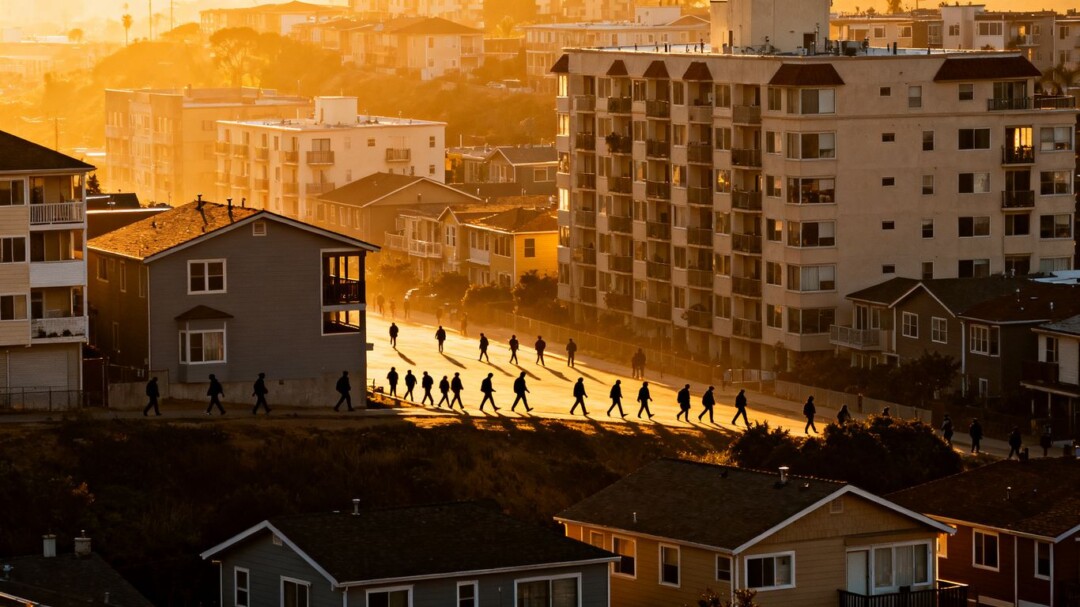
A recent analysis by Moody’s Analytics reveals that significant population shifts are profoundly influencing the multifamily housing market. Despite a notable increase in new unit construction, leading to higher vacancy rates, robust demographic trends are underpinning demand and supporting rent growth across many areas.
Key Takeaways
- The US multifamily sector added nearly 300,000 units in 2024, one of the highest construction booms on record.
- National vacancy rates closed 2024 at 6.1%, the highest since 2011, due to increased supply.
- Despite higher vacancies, national asking rents grew by 0.7% year-over-year.
- Rapid population growth, driven by immigration, is a key factor supporting housing demand.
- The South, particularly Florida and Texas, is experiencing the most substantial population gains.
Multifamily Market Dynamics
In 2024, the multifamily housing market saw substantial inventory growth, with approximately 300,000 new units added across 79 major metropolitan areas tracked by Moody’s. This surge in construction, one of the highest on record, has led to a slight imbalance between supply and demand. Consequently, the national vacancy rate increased by 10 basis points each quarter in the latter half of the year, reaching 6.1% by the fourth quarter of 2024—its highest point since 2011.
Despite the rising vacancy rates, the sector managed to achieve a 0.7% growth in national asking rent over the year, reaching $1,850 and nearing its peak from the third quarter of 2023. Looking forward, an additional 15% of units are expected to be added to the total investable universe across the U.S.
Demographic Drivers of Housing Demand
Demographic factors are playing a crucial role in shaping housing demand. Rapid population growth, a resilient labor market, and strong wage growth from the previous year have been integral to the demand narrative. Furthermore, limited options for first-time homebuyers have made renting an attractive alternative for many.
The U.S. Census Vintage 2024 estimates indicate that the nation’s population reached 340.1 million, marking the fastest annual growth observed since 2001 with a nearly 1% increase between 2023 and 2024. A significant rebound in immigration is a primary driver of this growth, while the natural increase (births minus deaths) remains below historical averages.
Regional Population Shifts
Regionally, the South has experienced the most significant population gains from April 2020 to July 2024. States like Florida, with an 8.5% increase (1,834,023 residents), and Texas, with a 7.3% increase (2,141,373 residents), are leading this trend. While Florida benefited from immigration, its domestic migration gains were smaller. In contrast, the Midwest and Northeast saw comparatively lower growth, with New York experiencing the most substantial population decline (-1.7% or 336,524 residents) due to outmigration.
Florida’s Rental Market Variations
Florida’s substantial population growth has had varied effects on its rental markets. Miami, despite a vacancy rate above the national average, recorded impressive 12-month asking rent growth of 4.7% and effective rent growth of 4.6%. This indicates strong rental demand fueled by new residents attracted to economic opportunities and amenities.
Tampa-St. Petersburg has shown stability with a vacancy rate below the national average and a 1.9% increase in asking rents, aided by its recovering hospitality sector. Orlando’s rental market reflects steady demand with modest rent growth and vacancy changes, influenced by a robust job market, particularly in tourism and professional services.
Conversely, Jacksonville reported the highest vacancy rate among Florida metros and declining rent growth, suggesting a supply-demand imbalance. Palm Beach and Fort Lauderdale experienced moderate rent growth and vacancy changes, indicating steady but less dramatic impacts from population influx. These regional variations underscore the importance of understanding local conditions and demographic trends in the rental market.