

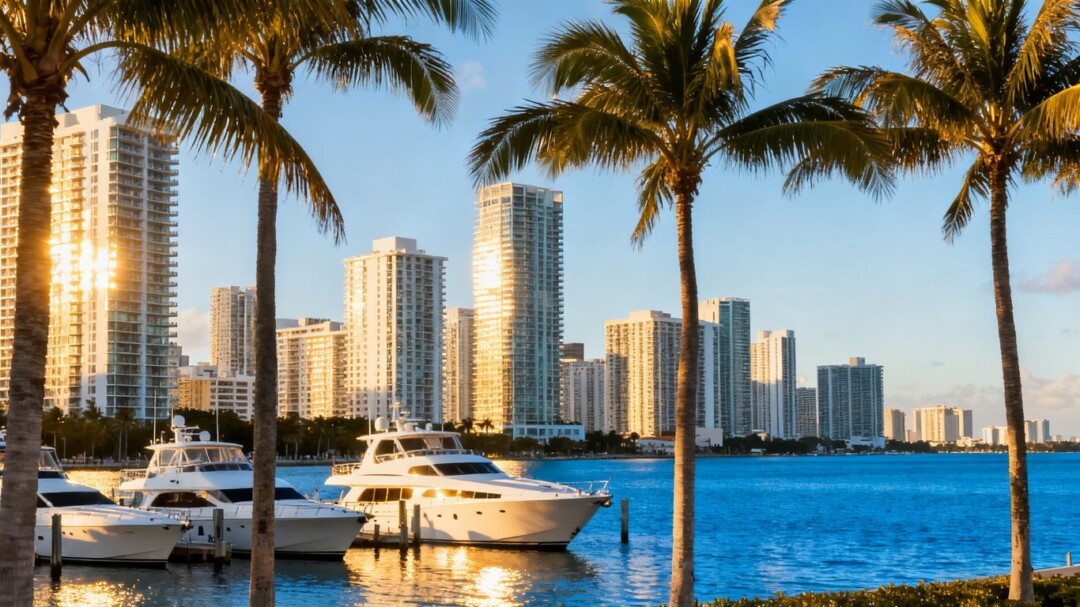
South Florida’s real estate market is experiencing a significant transformation driven by an influx of wealthy and billionaire residents. This demographic shift is reshaping the local economy, creating new luxury developments, and impacting affordability for existing residents.
Key Takeaways
- A substantial number of high-net-worth individuals and billionaires are relocating to South Florida, attracted by factors like no state income tax and a desirable climate.
- This migration is fueling a boom in luxury real estate development, with significant investments in high-end residential projects and amenities.
- While the influx of wealth boosts the economy, it is also contributing to rising housing costs, making it increasingly difficult for middle and lower-income residents to afford living in popular areas.
Luxury Enclaves and Equestrian Dreams
Wellington, Florida, a town renowned for its equestrian culture, is at the forefront of this luxury real estate boom. Home to the children of prominent figures like Michael Bloomberg and Bruce Springsteen, Wellington is seeing substantial investment in super-luxury developments. Properties in this area command high rental prices, with estates fetching hundreds of thousands of dollars for short-term leases. Major projects, such as Tiger Woods’ mixed-use development "The Wellington" and Related Ross’ "Village Landing," are set to introduce hundreds of private residences, hotels, retail spaces, and restaurants, further enhancing the area’s upscale appeal.
Economic Impact and Affordability Concerns
The arrival of wealthy individuals is injecting billions of dollars into Florida’s economy. Data indicates that Florida gained over $20 billion in annual adjusted gross income from high-earning transplants in 2023 alone. This wealth migration has been a primary driver of escalating home prices, even amidst rising mortgage rates. However, this economic surge comes with a significant downside: a growing affordability crisis. Many Floridians are finding housing, insurance, and everyday living costs increasingly prohibitive, leading to concerns about the dissolution of the middle class and potential displacement of long-term residents.
A Shifting Demographic and Housing Market
Experts note that the rising cost of living, particularly housing, is prompting many Floridians to consider leaving the state. While the "gold rush" of ultra-wealthy buyers continues, the median home prices in areas like Miami-Dade have seen substantial increases, with a significant rise in the number of million-dollar homes. This trend is exacerbated by a high prevalence of all-cash offers, which put financed buyers at a disadvantage. The strain is particularly felt by households earning between $75,000 and $125,000, who may not qualify for subsidies but struggle to afford the full cost of housing, including escalating insurance premiums.
Future Outlook and Development
Despite the challenges, developers are continuing to invest in South Florida, aiming to cater to both high-end and moderate demographics. Projects in areas like Miami’s Wynwood neighborhood are being designed to enhance local communities and provide jobs, with some developments offering price points accessible to local residents. However, the long-term sustainability of Florida’s economic model, which relies heavily on service industries, is being questioned as essential workers face increasing cost-of-living pressures. Municipalities and private partners are prioritizing affordable housing initiatives and infrastructure improvements to address these growing concerns.
Sources
- Wellington is heating up with new luxury real estate projects, New York Post.
- Billionaires moving to Miami, Palm Beach could boost economy, The Business Journals.
- Florida real estate boom explodes as wealthy New Yorkers, Californians flee blue states, Fox Business.
- Florida’s real estate ‘gold rush’ draws the super-rich as rising costs push others out | Florida, The Guardian.
- Florida’s influx of rich residents is killing the middle class and housing market, Fortune.