

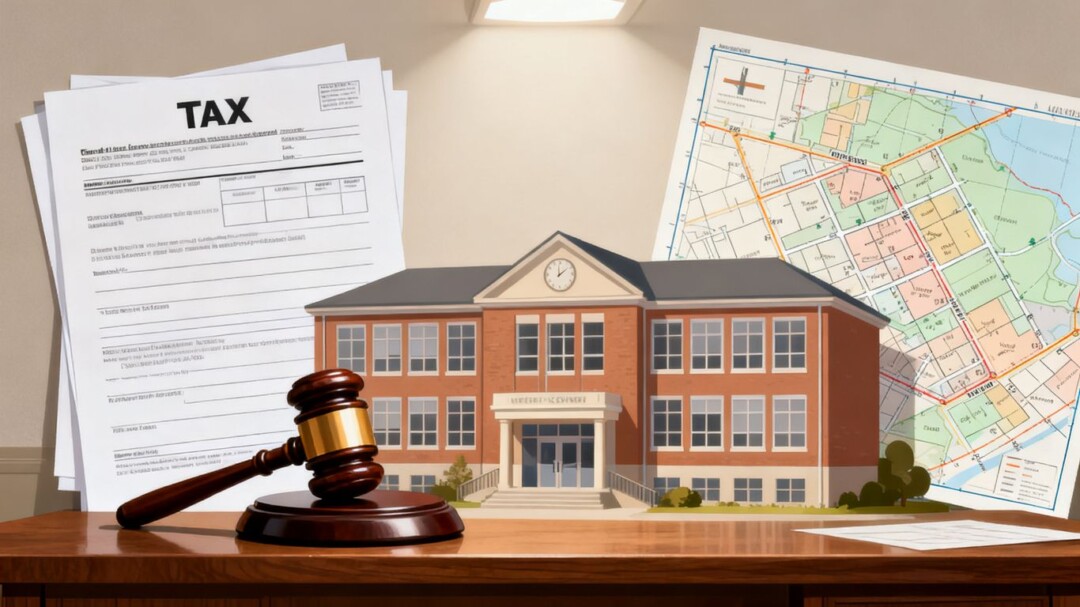
Hillsborough County Public Schools (HCPS) is at a pivotal moment, facing decisions on both its financial future and the management of its assets. Voters will soon decide on the renewal of a crucial half-penny sales tax, while the school board is implementing stricter policies for real estate transactions to ensure greater transparency and fiscal responsibility.
Key Takeaways
- Voters will decide in November 2026 whether to renew the half-penny sales tax for schools for another decade.
- The proposed policy mandates a public request-for-proposals (RFP) process for all district-owned real estate transactions.
- The half-penny tax has funded over $1.15 billion in projects since 2018, including new schools and renovations.
- The new real estate policy aims to increase transparency, fiscal responsibility, and stewardship of public assets.
Renewal of Half-Penny Sales Tax
Voters will have the opportunity in November 2026 to decide on the renewal of Hillsborough County’s half-penny sales tax for schools. This referendum seeks to extend the existing levy for an additional ten years. The Hillsborough County School Board is scheduled to vote on May 5 to place this measure on the ballot. If approved by voters, the tax will remain at its current rate, not increase.
Since its initial approval in 2018, the surtax has been instrumental in funding significant improvements across the district. These include the construction of new schools, campus renovations, security system upgrades, and enhancements to air conditioning systems. As of February 28, 2026, the district has allocated over $1.15 billion from the surtax, with a substantial portion, approximately $682.6 million, directed towards local and small businesses for construction and facility projects. This revenue stream is vital for addressing enrollment growth and maintaining aging facilities, providing a predictable funding source for long-term capital projects.
Overhauling Real Estate Practices
In parallel, the Hillsborough County School Board is set to review a new policy that would mandate a public request-for-proposals (RFP) process for any use, lease, sale, or other disposition of district-owned real estate. This proposed policy aims to introduce new controls and enhance transparency in how the district manages its land and facilities.
Under the current policy, the superintendent holds responsibility for real estate transactions without a mandatory competitive bidding process. The proposed changes would require all such transactions to be initiated through a competitive RFP process, include a formal recommendation from the superintendent, and secure approval from a majority of the board in a public meeting. Furthermore, the policy would prohibit land swaps involving district-owned property. These measures are designed to ensure fiscal responsibility and the prudent stewardship of public assets.
Impact of the Millage Referendum
Separately, Hillsborough County property owners are already contributing to school investments through a previously passed millage referendum. This referendum, which began impacting property owners with the 2025-2026 academic year, adds one mill to property taxes. The revenue generated, estimated at $177 million annually, is earmarked for teacher pay raises and student programs. Classroom teachers are set to receive an annual pay increase of $6,000, support staff $3,000, and administrators $6,000. The district plans to invest its portion in efforts to hire and retain educators and enhance academic programs, arts, physical education, and free full-day VPK for students.
Sources
- Voters to decide Hillsborough school tax extension, Tampa Bay Business & Wealth.
- Hillsborough County Schools tightens real estate approval rules, The Business Journals.
- Hillsborough schools consider RFP mandate for property deals, Tampa Bay Business & Wealth.
- Hillsborough County Public Schools millage referendum starts this school year, wtsp.com.