

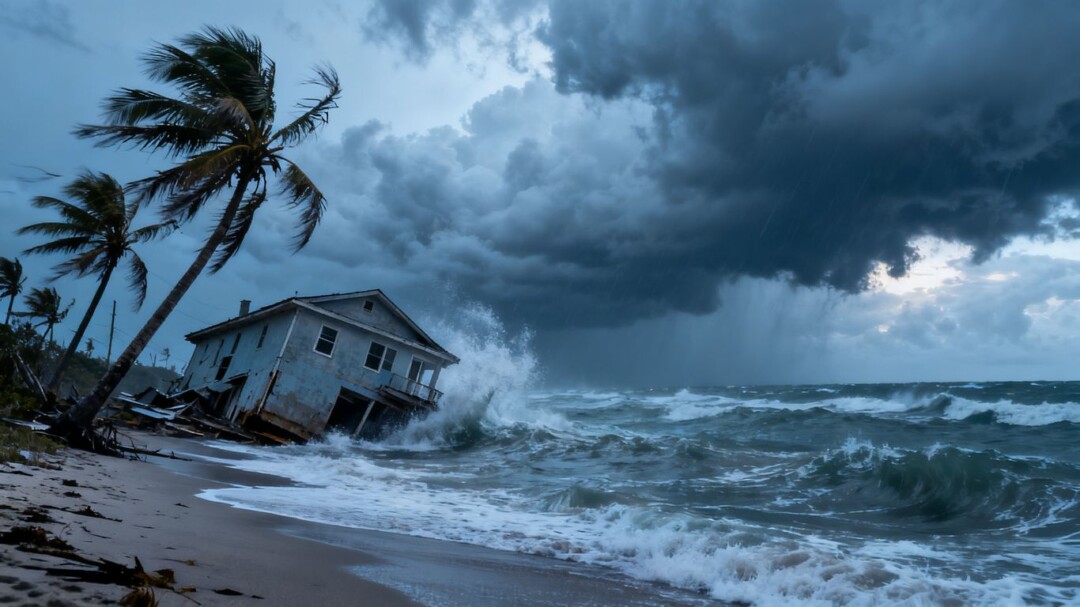
Florida’s residential landscape is facing a pivotal transformation as escalating hurricane damage collides with skyrocketing property insurance premiums. This shift is creating a profound divide between households that can afford to harden their homes against climate threats and those forced to leave their communities, triggering a cascading impact on the state’s broader housing market stability and economic foundations.
Key takeaways regarding the insurance crisis
- Insurance market instability is driving a "risk-sorting" dynamic where individual wealth determines the long-term viability of specific neighborhoods.
- Property insurance is essential for mortgage eligibility; as coverage becomes unavailable or unaffordable, local property values and tax bases face significant decline.
- Current private market responses prioritize individual gain, which ignores the need for comprehensive, community-scale adaptation strategies.
- Experts propose shifting toward integrated public-sector agencies that manage both insurance provision and large-scale resilience investments like infrastructure and retrofitting.
The mechanism of neighborhood decline
The relationship between insurance and real estate is structural. In Florida, homeownership relies heavily on the ability to maintain insurance coverage. When insurers exit a market or raise premiums to prohibitive levels, the chain reaction begins: mortgage availability dries up, buyer appetite vanishes, and home prices plummet. This process does not merely affect the property owner; it weakens local government budgets by eroding the property tax base, potentially triggering a broader economic decline similar to previous financial crises.
As neighborhoods like those in St. Petersburg illustrate, there is a visible disparity in recovery outcomes. Newer, elevated homes often remain pristine after storms while older homes fall into disrepair. This cycle turns climate risk into a financial filter, forcing lower-income residents to abandon homes they can no longer afford to insure or repair, effectively hollowing out vulnerable communities.
Moving beyond private market solutions
Because the private insurance market prioritizes immediate profitability over long-term stability, many researchers are calling for modern public institutions to manage climate risk. Agencies modeled after global best practices could simplify the process by combining consumer insurance with government-backed adaptation programs. By operating as non-profit, single-payer entities, these agencies could shift the focus toward collective safety rather than the current "black-boxed" decision-making process of private carriers.
Ultimately, the state must decide what it intends to protect and for whom. Ignoring the systemic nature of these risks will only deepen the financial fault lines that are already segregating Florida’s coastal zip codes. The challenge lies in creating a new model that treats climate resilience as a public good rather than a luxury for the wealthy.
Sources
- Florida’s insurance exodus is triggering a 2008-style chain reaction — with one critical difference, Fortune.