

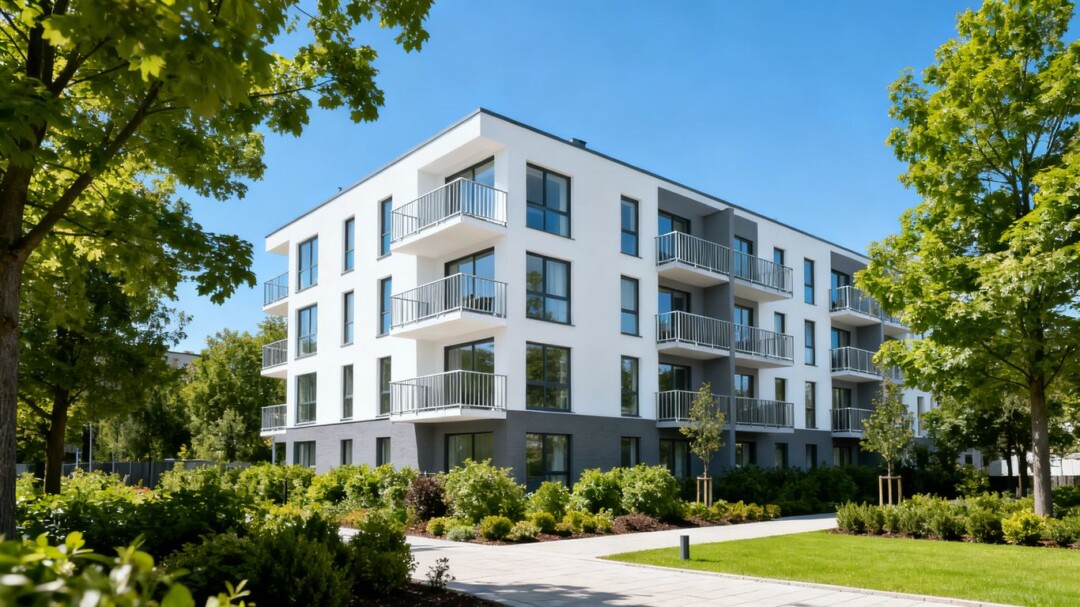
A new affordable-housing proposal could bring 250 apartments to a Broward County site currently leased by the county. The plan would expand the supply of below-market housing, but it remains a proposal and must move through the county’s review process before construction, financing, or a completion date can be confirmed.
Key takeaways
The proposal centers on using county-leased land to address Broward’s shortage of affordable homes. Key points include:
- The project would provide approximately 250 apartments.
- The development is proposed for a site leased by Broward County.
- The plan would still require approvals and finalized financing.
- Details such as rents, unit sizes, construction timing, and the development team have not been established in the available information.
Why the proposal matters
Broward County, like much of South Florida, faces persistent pressure on rents and home prices. Adding apartments reserved for households that struggle to afford market-rate housing could help reduce displacement and give renters more options, particularly if the units remain affordable over the long term.
Using public or county-controlled land can also make affordable housing more feasible by reducing land-acquisition costs. That approach may allow a larger share of a development’s budget to be directed toward construction and resident services.
What remains undecided
The proposal is not the same as an approved project. County officials and other decision-makers would need to evaluate the development’s design, zoning or land-use requirements, environmental considerations, financing structure, and impact on nearby roads and services.
The final affordability terms will be especially important. Those terms typically identify which income groups may qualify, how rents are calculated, and how long affordability restrictions remain in place. The number of apartments alone does not indicate how deeply affordable the project would be.
Next steps for the project
Before apartments could be built, the proposal would likely need to pass through a series of public and administrative reviews. Those steps could include consideration by county officials, negotiations involving the site lease, and applications for public or private financing.
A future project schedule would depend on those approvals and on whether the development secures the funding needed for construction. Until those decisions are made, the 250-unit figure should be viewed as a proposed capacity rather than a guaranteed delivery date.
Potential impact on the county-leased site
Developing the property for housing could change how the county-leased site serves the surrounding area. Supporters may view the plan as an opportunity to put publicly connected land toward a pressing community need, while nearby residents and officials may seek more information about traffic, parking, infrastructure, building height, and neighborhood compatibility.
Public discussion of those issues will help determine whether the proposal can move forward and how the final development is shaped. If approved and funded, the project would represent a significant addition to Broward’s affordable-housing inventory.