

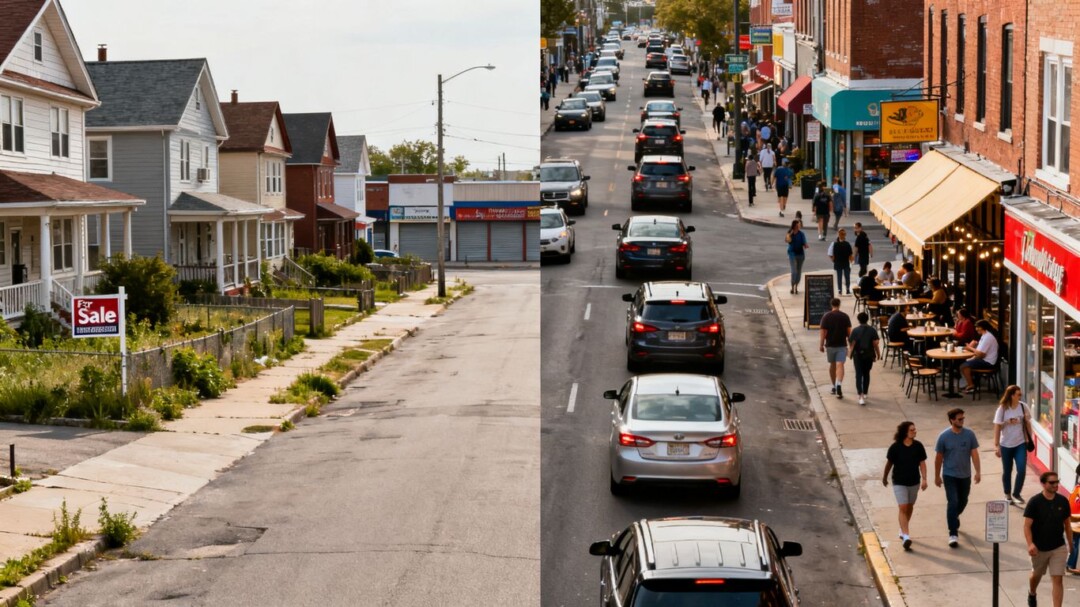
Florida’s residential real estate market is showing signs of stabilization as the summer season approaches. After a period of volatility, economists suggest the market is moving towards a more balanced state, influenced by shifting inventory levels and a resurgence in buyer demand. The coming months will be crucial in determining the market’s trajectory for the remainder of 2026.
Key Takeaways
- Florida’s housing inventory is nearing pre-pandemic levels, with single-family home supply only slightly above 2019 figures.
- While some local markets see price increases, statewide trends suggest stability rather than significant price swings.
- Buyer demand is building, partly due to easing mortgage rates and a growing desire for Florida’s lifestyle and opportunities.
- The property insurance market is also showing signs of improvement, with new insurers entering the state.
Market Stabilization and Inventory Trends
Florida Realtors Chief Economist Dr. Brad O’Connor indicates that the state’s housing market is at an inflection point. Statewide inventory levels are now more comparable to the 2014-2020 period than the post-2008 crisis era. Single-family home inventory is just over 7% higher than in April 2019, while condo and townhouse inventory is up nearly 16% from the same period. This increase in supply is attributed, in part, to homes staying on the market longer as activity normalizes, rather than a dramatic influx of distressed properties.
Buyer Demand and Economic Outlook
Economists are optimistic about the potential for increased buyer activity. National Association of Realtors forecasts suggest a rise in existing-home sales for 2026, with easing mortgage rates expected to bring sidelined buyers back into the market. Florida, known for its strong population growth and job creation, is poised to benefit significantly. Even a small decrease in mortgage rates could unlock thousands of additional buyers in key metropolitan areas.
Local Market Variations
While statewide trends point towards stabilization, local markets can exhibit different dynamics. In Martin County, for instance, the median home price saw an increase in April compared to the previous year, reaching $650,000. This rise is attributed to decreasing supply and increased buyer competition. Conversely, St. Lucie and Indian River counties experienced slight dips in their median sale prices during the same period. However, across the Treasure Coast, the number of closed sales rose while active inventory fell, indicating a tightening market in those areas.
Navigating the Market
With the market moving towards a more balanced state, professional guidance from real estate agents remains crucial. A significant majority of buyers and sellers utilize agents to navigate complex pricing, financing, insurance, and negotiation processes. As Florida’s housing market normalizes, it presents opportunities for both buyers and sellers, supported by a stabilizing insurance landscape and continued population influx.
Sources
- Florida housing market at inflection point as summer approaches, economist says, | Florida Realtors.
- Florida housing inventory near pre-pandemic norms, economist says, | Florida Realtors.
- South Florida realtors seeing shift in housing market as inventory drops, Florida Trend.
- 2026 Real Estate Trends: Fla. Housing Market Stabilizing as Buyer Demand Builds, | Florida Realtors.
- Florida real estate market sees home prices peak in Martin County, Treasure Coast News.