

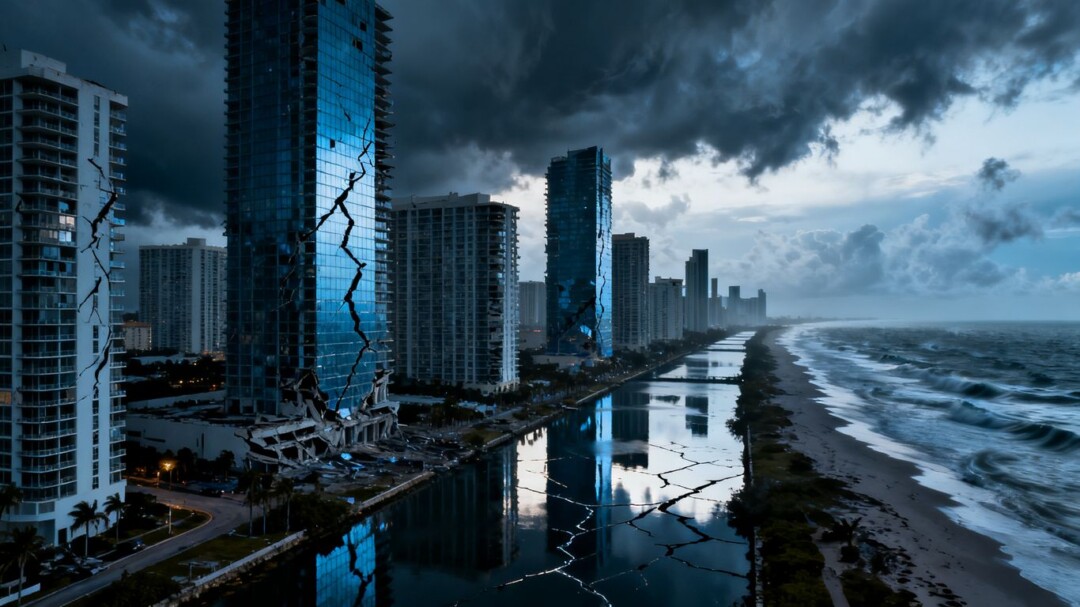
South Florida’s condominium market is facing a dual crisis as aging infrastructure meets a surge in foreclosures and short-term rental disputes. From structural safety concerns following the Surfside tragedy to the "Airbnb effect" turning residential towers into chaotic tourist hubs, homeowners are increasingly struggling to maintain their property values and security.
Key takeaways
- Structural safety inspections have identified dozens of buildings as unsafe across South Florida.
- Rising maintenance costs and mandatory reserve funding are pushing some owners toward foreclosure.
- Illegal short-term rentals are causing significant quality-of-life issues in residential towers, leading to intense internal conflicts.
The burden of aging infrastructure
In the years following the 2021 Champlain Towers South collapse, Florida implemented mandatory milestone inspections for older buildings. Recent data reveals that dozens of properties have been deemed unsafe or uninhabitable, particularly in high-density areas like Miami-Dade. These inspections often uncover severe concrete, electrical, and structural degradation that had been neglected for years.
For many associations, the financial reality of these repairs is daunting. With maintenance costs soaring and new state requirements for reserve funding, many condo owners are finding themselves unable to cover the mounting expenses. This financial strain is a primary driver behind the recent rise in foreclosures across the region.
The rise of illegal short-term rentals
Beyond structural decay, many residential buildings are struggling with the "Airbnb effect." At towers like The Club at Brickell Bay, residents report that their homes have been transformed into de facto hotels, complete with noisy parties, security concerns, and unauthorized structural modifications. These conversions often take place without proper city permits or regard for building capacity.
Despite local zoning laws prohibiting short-term stays in many multi-family residential zones, enforcement remains inconsistent. Residents often find themselves caught in a battle against investor-heavy HOA boards that prioritize rental income over the quiet enjoyment of long-term homeowners. This conflict has led to legal disputes, allegations of voter fraud, and a breakdown in community governance.
Financial instability and the path forward
The convergence of aging infrastructure and the short-term rental boom has created a volatile environment for property owners. As maintenance fees rise to address deferred repairs, the appeal of investment-driven rentals grows for some, while others are forced to sell or face foreclosure. The following factors are currently reshaping the South Florida condo landscape:
- Increased insurance premiums and property taxes.
- Mandatory funding of condo association reserves.
- Legal battles over HOA board control and voting integrity.
As the state continues to grapple with these challenges, the future of South Florida’s high-density living remains uncertain. Many residents are now calling for stricter oversight and more transparent management to protect their homes from further degradation.
Sources
- South Florida foreclosures rise in second quarter, says ATTOM, The Business Journals.
- How Miami condo turned into ‘Animal House’ with tourist rentals, Miami Herald.
- How Florida’s Aging Condo Buildings Faring Post-Surfside, The Real Deal.