

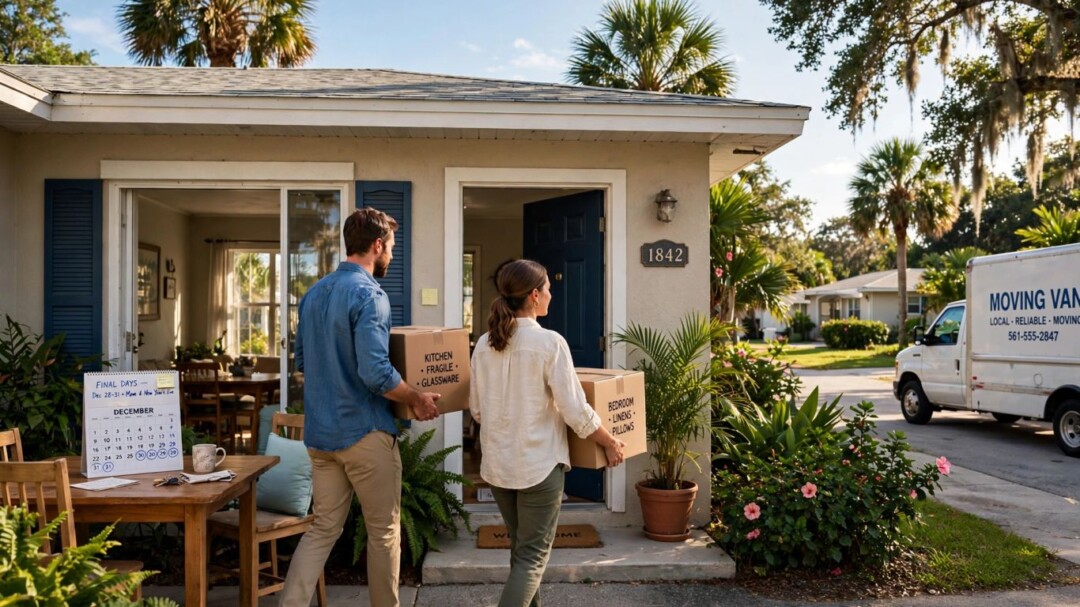
Florida voters approved Amendment 3 on Nov. 3, 2026, setting up a larger homestead exemption for eligible homeowners. But for people moving to the state, a key date may come before any home purchase: Dec. 31, 2026. Establishing Florida as a permanent home by then could affect how quickly a homeowner receives the expanded tax benefit.
Key takeaways
The amendment changes the homestead exemption for non-school property taxes, but the transition rules distinguish between people who are Florida residents by the end of 2026 and those who arrive later.
- The exemption rises to $150,000 in 2027 and $250,000 in 2028 for eligible homesteads.
- New residents who miss the Dec. 31, 2026, residency cutoff start with roughly $50,000 in exempt value and reach the full amount in their fifth homestead year.
- Buying by year-end is not required to meet the residency cutoff, but homestead eligibility still has separate ownership, occupancy and filing requirements.
What the amendment changes
The measure passed with roughly 62% of the vote, according to the source report, exceeding Florida’s 60% threshold for constitutional amendments. Beginning in 2027, the homestead exemption on non-school property taxes is scheduled to increase from about $50,000 to $150,000, then to $250,000 in 2028, with later adjustments for inflation. The existing $25,000 school-tax exemption remains unchanged.
The measure also lowers the annual assessment cap for non-homestead property from 10% to 5% on non-school taxes. That provision may help second-home and investment-property owners limit annual increases, but it does not make those properties eligible for the homestead exemption.
Why Dec. 31 matters more than a closing date
Under the reported transition rule, people who are permanent Florida residents on Dec. 31, 2026, can receive the increased exemption when they later qualify for homestead—even if they purchase after that date. Those who establish residency in 2027 or later begin at roughly $50,000 and wait until their fifth year of homestead for the full exemption. The provision is described as subject to constitutional limits and could face legal challenges.
Residency and homestead qualification are separate tests. To claim a homestead exemption for a tax year, a person generally must own and live in the home on Jan. 1 and file by March 1. A buyer who moves before year-end may therefore still need to meet those requirements for the specific property and tax year.
Potential savings and remaining questions
Miami-Dade’s property appraiser’s office estimates average savings for eligible county homeowners of about $1,700 in 2027 and $2,700 in 2028, according to the source report. Individual savings depend on assessed value and local tax rates. Because cities and counties set millage rates, budget changes could affect the final bill.
The new exemption is expected to appear on 2027 tax notices and bills. Implementation details—including how Dec. 31 residency will be documented—were still being finalized when the report was published. People considering a move should keep evidence of their Florida ties and consult a qualified tax or legal professional about their circumstances; the source article notes that markers can include a Florida driver’s license, vehicle registration, voter registration and a Declaration of Domicile.