

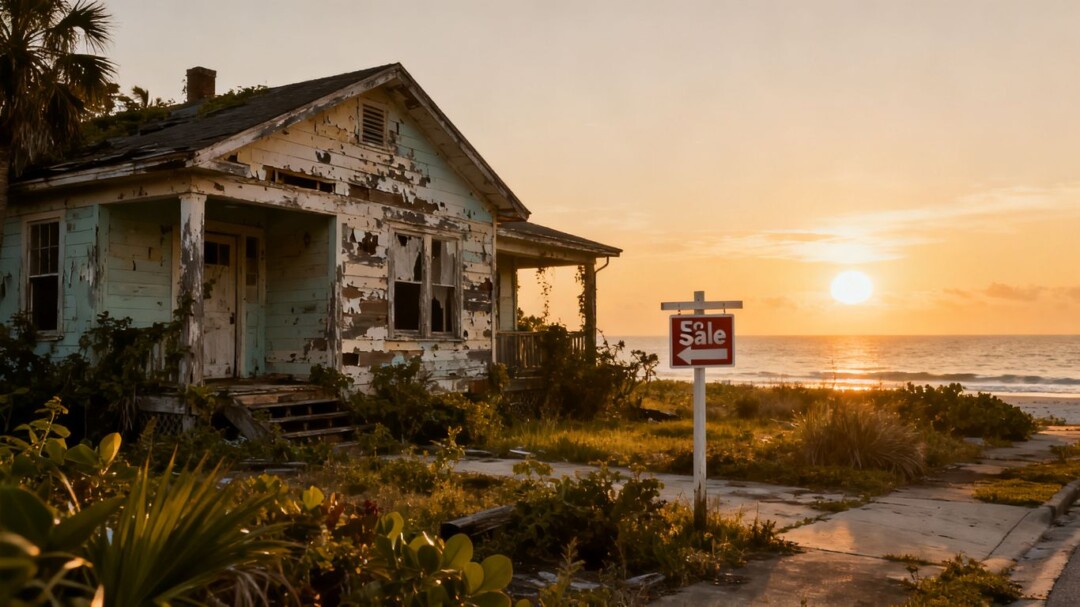
Florida has emerged as the state with the highest foreclosure rate in May 2026, as national foreclosure filings saw a significant year-over-year increase. This trend highlights ongoing financial pressures on homeowners across the country, driven by elevated mortgage rates and rising ownership costs.
Key Takeaways
- Florida recorded the highest foreclosure rate nationally, with one in every 2,110 housing units facing a foreclosure filing.
- Nationwide, foreclosure filings decreased by 5% from April but surged by 14% compared to May 2025.
- Rising property taxes, insurance premiums, and the expiration of temporary mortgage rate buydowns are contributing factors, particularly in states like Texas and Florida.
Foreclosure Landscape in May 2026
According to ATTOM’s May 2026 U.S. Foreclosure Market Report, Florida’s foreclosure rate stood at 1 in every 2,110 housing units. This places it ahead of South Carolina and Maryland, which also experienced high foreclosure rates. Conversely, Vermont and South Dakota reported the lowest rates in the nation.
Nationwide, the total number of foreclosure filings saw a 5% dip from April but a substantial 14% increase when compared to the previous year. ATTOM CEO Rob Barber noted that while foreclosure starts and completed foreclosures have risen year-over-year, overall volumes remain below historical averages, indicating market resilience.
Major Cities and Midrange Markets
Among larger cities, Cleveland reported the highest foreclosure rate in May 2026, with one filing for every 1,524 housing units. Other cities with elevated rates include Baltimore, Tampa (FL), Riverside (CA), and Orlando (FL).
However, a different trend was observed in midrange cities (those with populations of at least 200,000). Several of these areas experienced year-over-year decreases in foreclosures, including Santa Rosa (CA), Honolulu, Seattle, Visalia (CA), and Greeley (CO).
Factors Driving Foreclosures in Texas and Florida
Both Texas and Florida are grappling with high foreclosure numbers, though for slightly different reasons. Texas saw the highest raw number of foreclosure starts in May, with 3,590 filings, while Florida followed with 3,315.
In Texas, rising property taxes (up 20-40% in many counties since 2021) and increased insurance premiums, coupled with the end of builder buydowns on new construction mortgages, are straining homeowners. Levi Rodgers, owner of LRG Realty in San Antonio, highlighted that some borrowers are facing monthly escrow shortages of $600 to $1,200 as their payments reset to full market rates.
Florida faces similar challenges with escalating property taxes and insurance costs, exacerbated by climate-related events. The influx of new residents during the pandemic, many of whom secured new construction homes with temporary mortgage rate buydowns, are now facing higher payments as these introductory rates expire. Mason Whitehead of Churchill Mortgage in Dallas explained that borrowers who anticipated refinancing at lower rates are now struggling with the full market rates, impacting their budgets.