

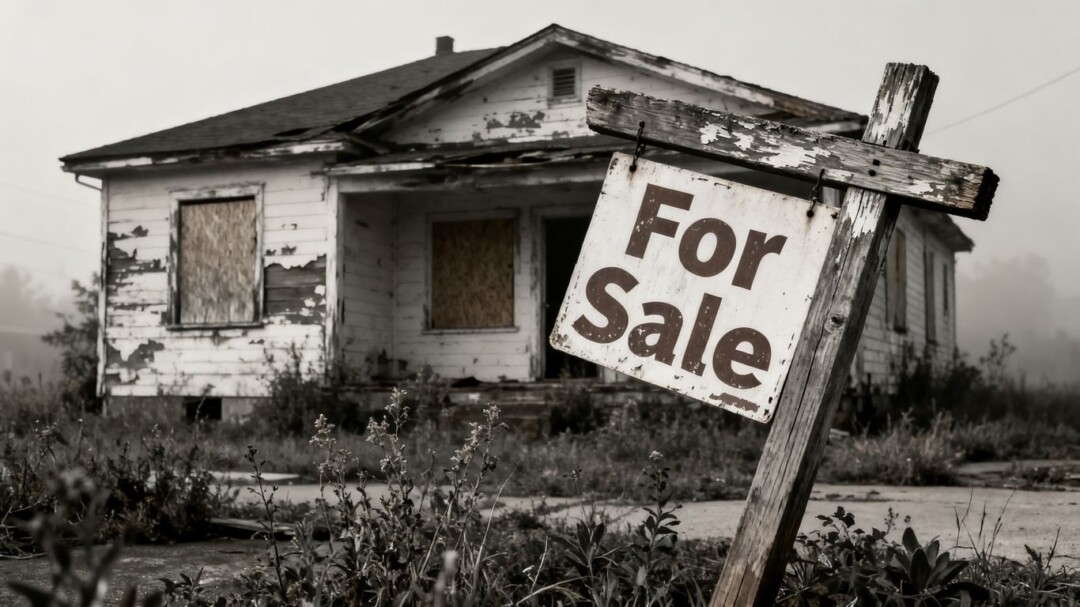
Florida is experiencing a significant rise in foreclosure filings, leading the nation and indicating a potential inflection point for the state’s housing market. While nationwide foreclosure filings have increased year-over-year, Florida’s rate is notably higher than the national average. This trend emerges as the market faces persistent affordability challenges and elevated ownership costs.
Key Takeaways
- Florida leads the nation in foreclosure rates, with one in every 2,110 housing units having a foreclosure filing.
- Nationwide, foreclosure filings are up 14% compared to the previous year, despite a 5% drop from the previous month.
- Rising mortgage rates, increased ownership costs, and affordability constraints are contributing factors.
- While larger cities like Tampa and Orlando show high foreclosure rates, some mid-sized cities are seeing a decrease.
- Texas and Florida share similar challenges, including rising property taxes and insurance premiums.
Florida’s Foreclosure Landscape
According to a recent report by property data provider ATTOM, Florida recorded the highest foreclosure rate in May 2026. One in every 2,110 housing units in the Sunshine State carried a foreclosure filing, a stark contrast to the national average of one in every 3,562 units. This places Florida ahead of South Carolina and Maryland in foreclosure rates.
ATTOM CEO Rob Barber noted that "foreclosure starts and completed foreclosures both increased compared to last year, reflecting ongoing pressure on some homeowners as elevated mortgage rates, rising ownership costs, and affordability constraints persist." However, he also added that "foreclosure volumes remain well below historical norms, indicating that the housing market continues to show resilience despite these challenges."
Factors Driving Foreclosures
Several factors are contributing to the rise in foreclosures in Florida and other states like Texas. Property taxes have seen dramatic increases, and insurance premiums have escalated, particularly in Florida due to climate-related disasters. Additionally, many homeowners who benefited from temporary mortgage rate buydowns during the pandemic are now facing significantly higher payments as these introductory rates expire. This is particularly affecting borrowers who were anticipating refinancing at lower rates, which have not materialized.
A Market at an Inflection Point?
Florida Realtors Chief Economist Dr. Brad O’Connor suggests that the state’s housing market is approaching an "inflection point." The coming months will be crucial in determining whether conditions stabilize or soften further. A key metric to watch is the time it takes for homes to go under contract. In April, single-family homes spent a median of 44 days on the market, similar to 2019 and 2025. The direction this metric takes over the summer will significantly influence inventory levels, pricing strategies, and seller expectations.
While closed single-family sales saw an increase in April, and new pending sales rose, the overall market trajectory for the remainder of 2026 remains uncertain. Realtors are advised to monitor local market data, including days on market, price reductions, and neighborhood inventory, to provide the most accurate guidance to buyers and sellers.
Sources
- Florida Leads in Foreclosures as Filings Rise 14% Nationwide, Realtor.com.
- Florida housing market at inflection point as summer approaches, economist says, | Florida Realtors.