

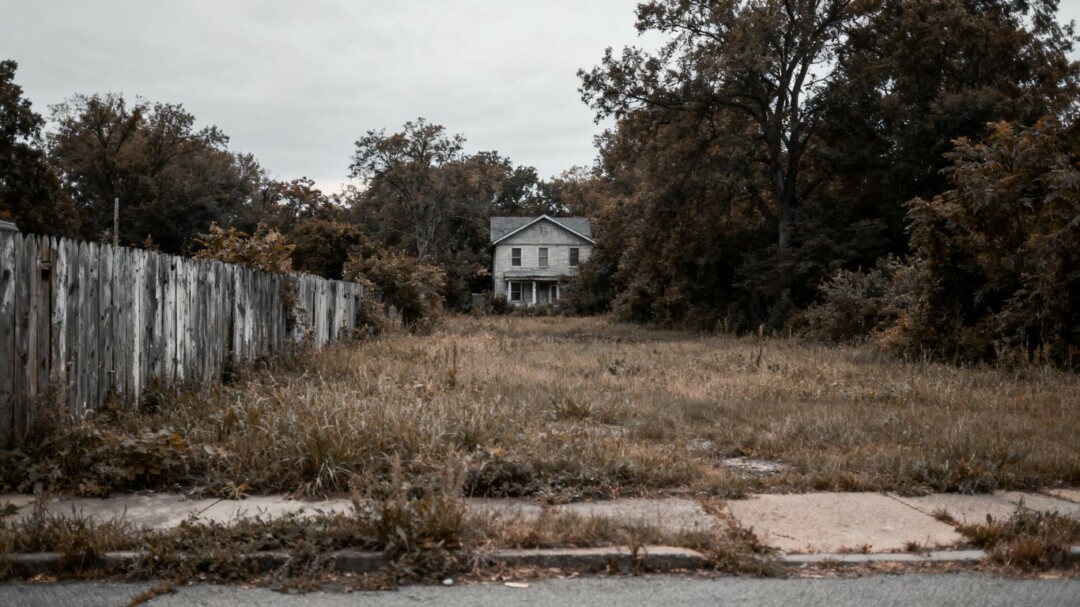
Al Capone’s former homesite has become a striking example of how history and location can influence real-estate values. Although the property remains vacant, its value has reportedly increased by $5.5 million over six years, turning a site associated with the notorious gangster into an unusually strong property investment story.
Key takeaways
- The vacant homesite linked to Al Capone gained $5.5 million in value over six years.
- Its appeal rests on a combination of historical notoriety and real-estate potential.
- The property’s value has risen despite the absence of a standing residence.
- The case highlights the premium that recognizable history can add to land.
The reported increase underscores the enduring commercial power of Capone’s name. Once associated with Prohibition-era organized crime, the former property now attracts attention from the luxury real-estate market because of its connection to one of American history’s most recognizable figures.
A property valued for its past and potential
Unlike many celebrity-related listings, the site does not depend on preserving an existing mansion or architectural landmark. It is vacant, meaning buyers are primarily evaluating the land, its setting, development possibilities and the significance of its former owner.
That combination can broaden the property’s appeal. A future owner may be able to create a new residence while retaining the site’s historical identity, subject to local planning, zoning and preservation requirements.
Why the gain matters
A $5.5 million increase in six years illustrates how scarcity and narrative can work together in high-end real estate. Land with a recognizable backstory can stand apart from otherwise comparable properties, particularly when it is tied to a figure whose life has been repeatedly documented in books, films and popular culture.
The gain should not automatically be interpreted as a seller’s net profit. Ownership expenses, taxes, financing, transaction costs and any improvements can affect the final return. Still, the reported appreciation represents a notable change in the site’s market value.
History continues to shape luxury real estate
Capone’s former homesite demonstrates that real-estate value is not determined solely by square footage or the condition of a building. Provenance can also become an asset, especially in markets where buyers seek exclusivity and a memorable story.
For the property’s next chapter, the central question is whether it remains vacant or is redeveloped. Either outcome is likely to preserve the site’s unusual place at the intersection of American history, popular culture and the luxury-property market.