

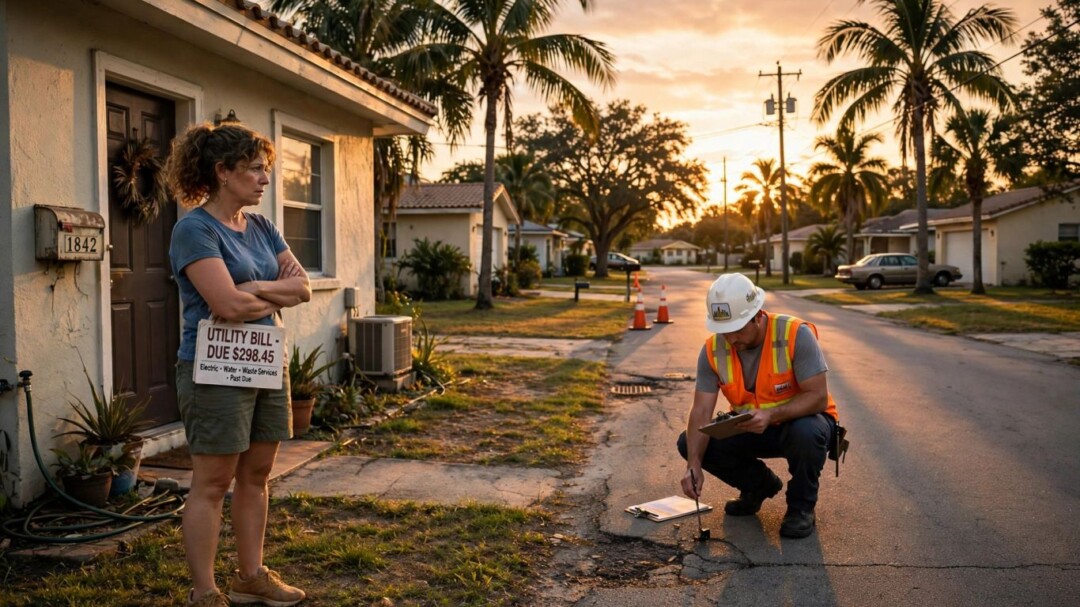
Florida voters are approaching a consequential decision on Amendment 3, a proposal to expand tax breaks for primary-home owners and slow assessed-value increases for other properties. Realtors are spending heavily to win support, while local officials and public-service groups warn that reducing property-tax revenue could put pressure on funding for essential community services.
Key takeaways
- Amendment 3 needs at least 60 percent voter approval and would take effect Jan. 1, 2027, if passed.
- The proposal would expand the homestead exemption for most non-school property taxes, while leaving school taxes outside the expanded break.
- Florida Realtors have spent more than $18 million campaigning for a yes vote; opponents raise concerns about local revenue and services.
The debate turns on how much tax relief homeowners would receive—and how local governments would respond to a smaller taxable base.
What the amendment would change
For qualifying primary residences, the non-school homestead exemption would rise to $150,000 in 2027 and $250,000 in 2028, with inflation adjustments afterward. The current school-tax exemption would remain unchanged, so the expanded break would not apply to the entire property-tax bill.
The proposal would also lower the annual assessment cap for non-homestead properties—including rentals, second homes and commercial buildings—from 10 percent to 5 percent. New Florida residents who establish residency after Dec. 31, 2026, would have to wait five years before receiving the larger homestead exemption, according to the proposal’s outline.
Savings would vary by property and local tax rates. An estimate using Miami’s 2025 non-school rates put the annual reduction at about $1,317 when the exemption reaches $150,000, and about $2,652 at $250,000. Those figures are illustrative, not guaranteed savings for individual homeowners.
Realtors make the case for a yes vote
Florida Realtors, which represents nearly a quarter-million members, has put more than $18 million toward the Vote Yes on 3 campaign. The group says the measure would ease housing costs and make property-tax increases more predictable, including for owners of rental and commercial properties. Its chief executive has expressed confidence that local officials can implement the changes without disrupting residents’ quality of life.
The amendment would also direct lawmakers to establish a process for further reducing homestead taxable values over time. That provision does not itself guarantee that property taxes will eventually be eliminated; additional legislative action would be required.
Local-service funding remains a central concern
Property taxes are a major source of revenue for counties and municipalities. Opponents—including public-service representatives and local leaders—warn that a reduced tax base could complicate funding for police, fire protection, infrastructure and community programs. The amendment would limit remaining ad valorem revenue to specified categories, including public safety, education, infrastructure and government operations.
How much local budgets would change depends on tax rates, property values and decisions made by local governments. The measure’s supporters say officials can adjust; critics question whether that response would fully protect services or shift more of the burden to properties that do not receive the expanded homestead exemption.
A high-stakes ballot question
The vote places homeowners’ desire for relief alongside questions about how communities pay for shared services. With a 60 percent threshold required, the outcome will determine whether Florida adopts the proposed changes—and begin a larger debate over who bears the cost of local government.
Sources
- Floridians Weigh Cutting Property Taxes — And Local Public Services, The New York Times.
- Florida’s Proposed Property Tax Amendment: What Would Change, Inman Real Estate News.
- Florida Realtors are spending $18M to pass Amendment 3. News 6 asked them why, WKMG.