

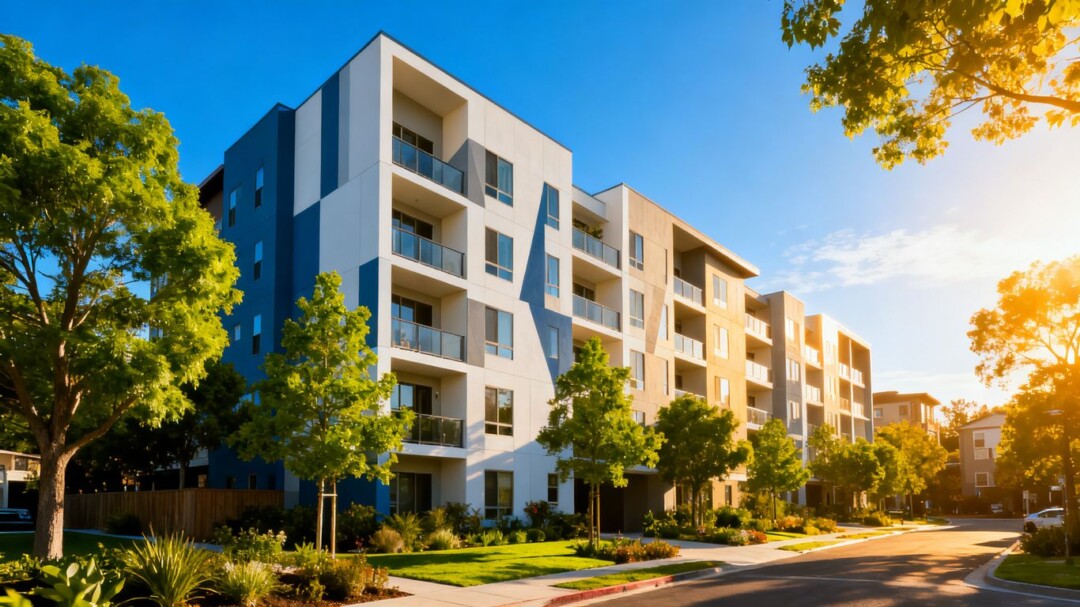
A Boca Raton-based developer is proposing a 200-apartment residential project in Miami-Dade County, adding to the region’s pipeline of new housing. Known as Solara Village, the development is being advanced by MHG Developers, led by Benjamin Nayberg, and is positioned as an affordable-housing initiative amid continued demand for lower-cost homes.
Key takeaways
- MHG Developers is proposing approximately 200 apartments in Miami-Dade County.
- The project, called Solara Village, is associated with Boca Raton developer Benjamin Nayberg.
- The proposal would expand the county’s supply of affordable rental housing.
- The plan remains subject to the applicable review and approval process.
A new residential proposal
The Solara Village proposal represents a substantial addition to Miami-Dade’s planned housing inventory. With roughly 200 apartments, the project would create a sizable residential community rather than a small infill development.
The proposal comes as South Florida continues to face strong demand for apartments and escalating housing costs. New projects that include affordable units are closely watched by local officials, residents and housing advocates seeking to broaden access to rental homes.
Developer behind Solara Village
MHG Developers, led by Benjamin Nayberg, is advancing the plan from its Boca Raton base. The company’s proposal places the developer among the firms pursuing new housing opportunities in Miami-Dade, where residential growth has remained a central issue in local planning.
The project’s name, Solara Village, suggests a community-oriented development, although additional details about its design, amenities, construction schedule and financing were not provided in the available announcement.
Affordable-housing focus
The development is described as an affordable-apartment project, potentially offering housing for households that may be priced out of much of the private rental market. The number of apartments alone would not determine the project’s broader impact; affordability levels, eligibility requirements and long-term operating plans will be important factors as the proposal advances.
If approved and built, Solara Village could contribute to Miami-Dade’s efforts to add rental housing at below-market price points. Its eventual benefits will depend on the final terms approved by the relevant authorities.
What happens next
The proposal must move through the county’s applicable planning, zoning and development-review procedures before construction can begin. Those steps may address the project’s location, density, transportation effects, infrastructure needs and compliance with affordable-housing requirements.
Further information is expected to clarify the development timeline, unit mix and approval status. Until those details are established, Solara Village remains a proposed 200-apartment project rather than an active construction site.