

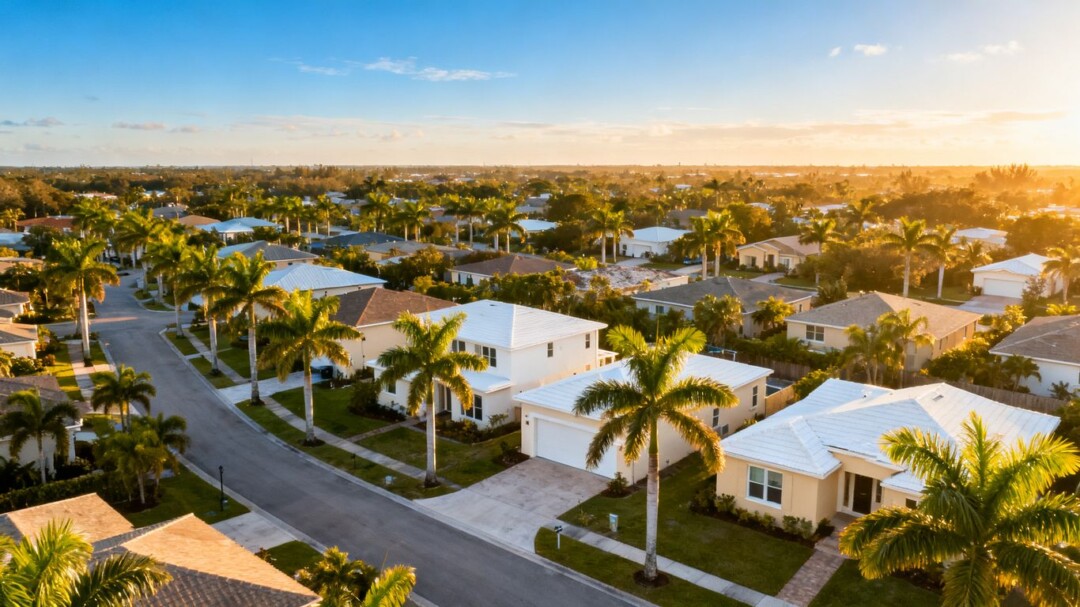
After a turbulent period of high mortgage rates and affordability challenges, Florida’s housing market is showing definitive signs of stabilization and early recovery as the state heads into 2026. Recent data points to improving sales activity, a steadying inventory, and renewed buyer demand, especially as mortgage rates trend downward and insurance reforms take hold.
Key Takeaways
- Mortgage rates easing from recent highs, encouraging pent-up buyer activity
- Sales increasing steadily, while inventory growth moderates
- First-time buyers remain challenged by affordability, but migration and cash purchases are robust
- Market remains balanced, not indicative of a bubble or sharp downturn
Market Activity and Rate Trends
After a cool-off in 2025, Florida’s residential real estate market is regaining traction. The drop in average mortgage rates—from as high as 6.8% to around 6.2%—has spurred more buyers to act, with monthly sales counts on a consistent upward trajectory for the first time since 2022. Inventory, once swelling due to slower sales, is now stabilizing as homes are being absorbed faster.
Time on market—a key metric—has leveled off, echoing more typical patterns from before the recent volatility. The approach to summer is seen as pivotal, with local market trends increasingly important in guiding agent and seller decisions.
Shifts in Buyer and Seller Dynamics
Florida continues to benefit from strong domestic and international migration, maintaining its status as a top destination for those seeking job opportunities and lifestyle changes. Out-of-state and international buyers represent a notable share of purchases, particularly in south and central Florida.
However, first-time buyers are still hampered by limited affordability, with just about one-fifth of sales nationally going to this group. In contrast, equity-rich and cash buyers—often moving from other regions or countries—have more flexibility in purchases. Nearly a third of Florida sales now involve all-cash offers, reflecting the competitive nature of certain metro and coastal markets.
Pricing, Inventory, and Market Balance
Median sale prices have adjusted slightly downward from their pandemic-era peaks, yet remain well above pre-pandemic levels. For example, central Florida home values have dipped about 3.7% year-over-year, with homes in markets like Orlando going to contract in just over 40 days. Increased inventory—currently around 7,400 active listings in the Orlando area—means buyers have more options, helping to rebalance negotiating power.
Price reductions and more days on market are becoming common, creating new opportunities for buyers, especially those willing to be flexible or consider different locations. Meanwhile, sellers are advised to price homes realistically to attract motivated buyers quickly.
Looking Ahead: Recovery and Opportunities
Experts cite two primary paths for the remainder of 2026: continued stabilization if rates hold steady, or a modest uptick in prices and sales should rates drop further. Insurance reforms have bolstered confidence, with more companies entering the market and premium growth slowing.
In summary, Florida’s housing market is neither hot nor cold—it’s moving toward a balanced and healthier state. As affordability and inventory dynamics play out, buyers and sellers alike will need to stay informed and ready to adapt to evolving conditions.
Sources
- Florida Market Cooled in 2025, Rebound Emerging, | Florida Realtors.
- Florida Housing Enters 2026 on Firmer Ground, | Florida Realtors.
- 2026 Real Estate Trends: Fla. Housing Market Stabilizing as Buyer Demand Builds, | Florida Realtors.
- Florida housing market at inflection point as summer approaches, economist says, | Florida Realtors.
- Central Florida’s real estate market outlook ahead of summer, Spectrum News 13.