

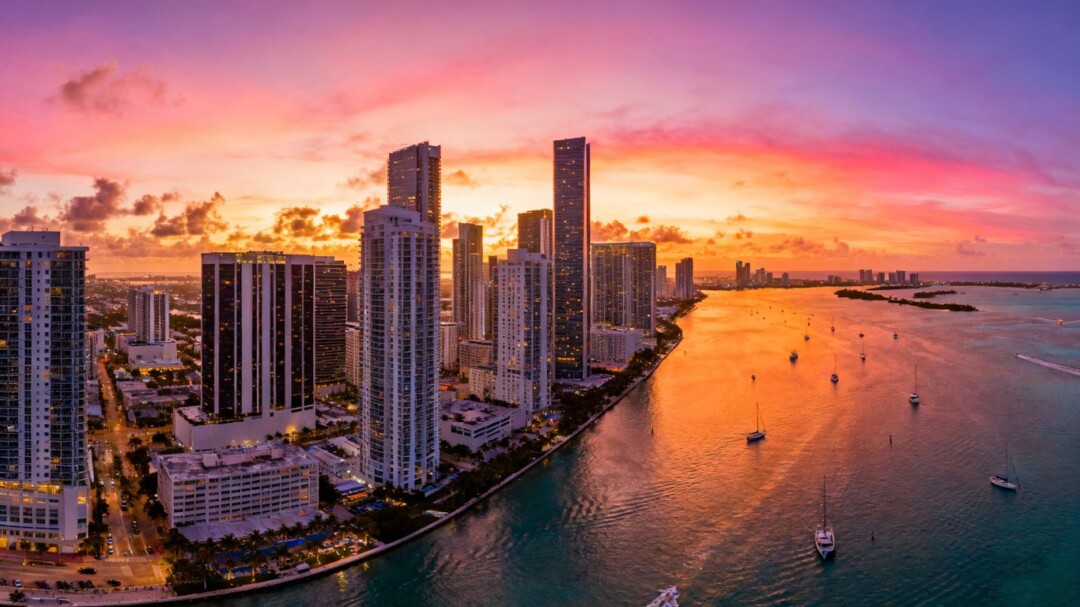
Miami’s skyline is undergoing a dramatic transformation with the rise of "supertall" skyscrapers, buildings exceeding 1,000 feet. Developers are pushing the boundaries of scale and complexity, signaling a new era for the city’s real estate landscape. This ambitious construction phase is occurring amidst a challenging economic environment where securing large construction loans is increasingly difficult.
Key Takeaways
- Supertall development requires solving complex engineering, logistical, and financial challenges from the outset.
- Miami’s unique economic growth, migration patterns, and international investment make it a prime location for such large-scale projects.
- Securing financing for these mega-projects relies on deep equity, experienced teams, and demonstrated market traction.
Redefining Miami’s Vertical Landscape
PMG, a prominent developer, is at the forefront of this vertical expansion. Their Waldorf Astoria Hotel & Residences Miami, a 100-story, 1,049-foot structure at 300 Biscayne Blvd., is set to become the city’s first supertall skyscraper. Currently under construction and slated for completion in 2028, it’s already a significant presence on the skyline. PMG is also developing the Delano Residences Miami, a 90-story tower at 400 Biscayne Blvd., marking the hotel brand’s debut in the residential sector.
The Complexities of Building Tall
Ryan Shear and Dan Kaplan, managing partners at PMG, highlight the distinct challenges of supertall development. "Before construction begins, supertall development operates on an entirely different level. It’s not just about building higher. It’s about solving far more complex challenges from day one: wind, structural engineering above and below grade, vertical transportation and long-term efficiency," Shear explains. These factors must be integrated into the design from the very foundation.
Navigating Capital and Execution
Securing the necessary capital for projects of this magnitude is a significant hurdle. Kaplan notes, "Projects at this scale require deep financial backing, and lenders and equity partners need absolute confidence in both the product and the team executing it." PMG’s 35-year track record has been crucial in building this trust. For the Waldorf Astoria Miami, they secured a substantial $668 million construction loan in 2024, a testament to their ability to demonstrate discipline, credibility, and staying power to lenders.
Miami’s Enduring Appeal
Miami’s sustained economic expansion, influx of domestic and international migration, and status as a hub for Fortune 500 companies create a fertile ground for landmark developments. "What makes Miami different is its staying power. It has demonstrated a remarkable degree of resilience and staying power," Shear states. This unique combination of factors, coupled with a desirable lifestyle and growing demand for high-quality urban living, underpins the viability of supertall residential projects. Both the Waldorf Astoria Residences Miami and Delano Residences Miami have seen strong market responses, indicating a deep and evolving demand.