

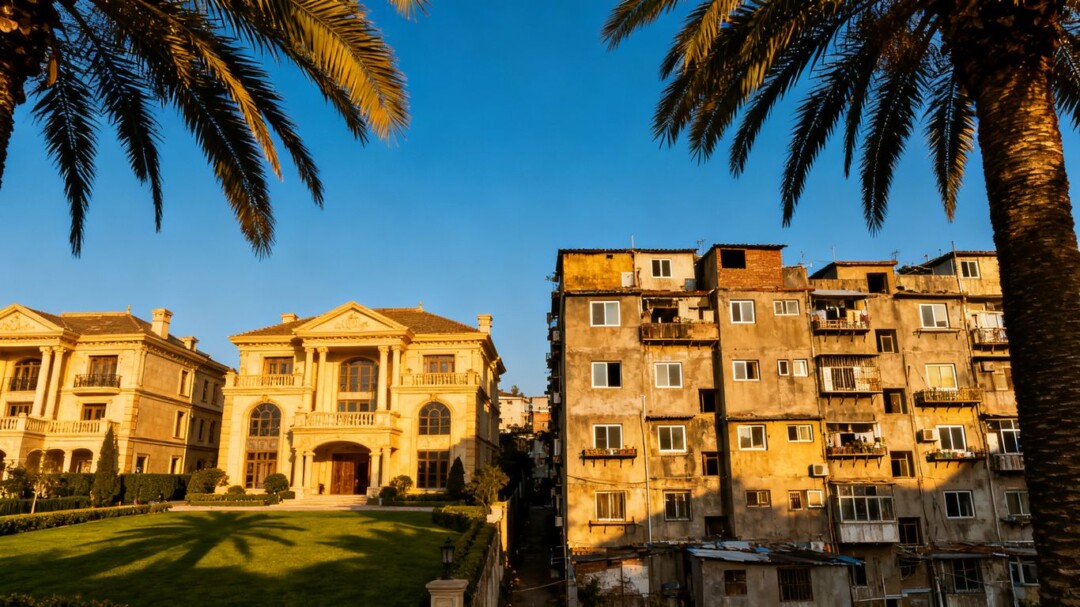
Palm Beach County residents are grappling with an escalating housing crisis, as a surge in luxury developments drives up property costs and widens the affordability gap. While high-end condominiums and towers rise, many long-time inhabitants find themselves priced out of the very communities they call home, struggling to secure affordable housing options.
Key Takeaways
- Luxury developments are significantly increasing housing costs in Palm Beach County.
- Many long-term residents and middle-income families cannot afford the new high-end properties.
- Local organizations are stepping in to provide assistance for those struggling to enter the housing market.
- West Palm Beach faces criticism for prioritizing luxury development over affordable housing.
The Widening Affordability Gap
West Palm Beach is experiencing a boom in luxury residential construction, with numerous high-end buildings approved and under development. The recent groundbreaking of the Shorecrest condominiums on Flagler Drive exemplifies this trend, adding millions in property value but starkly highlighting the wealth disparity. Mayor Keith James acknowledged that most current residents, including himself, cannot afford to live in these new luxury units.
"I can’t afford to live in them. Most people who are historically residents of West Palm Beach probably can’t," James stated. He defended the strategy by pointing to potential economic benefits, such as job creation and increased tax revenue, which he believes will benefit the broader community. "Let the wealthy come to West Palm Beach. I don’t care, because they’re gonna pay their tax bills and help our city," he added, while also admitting to the presence of "abject poverty" mere blocks away.
Housing Advocates Raise Concerns
Organizations like The Lord’s Place are witnessing the direct impact of this housing crisis. Christine Frederick, CEO of the homeless services organization, noted that the people they assist consistently express feelings of being left behind. "They’re really having a hard time surviving in this community," Frederick said, emphasizing the severe shortage of affordable housing. "There’s more demand than there ever is supply."
Residents have also voiced concerns about displacement due to rising costs and changing demographics. Yahtta Gee, a local resident, expressed worries that "minorities a lot of them are being pushed out with taxes and with the infrastructure changing." While Mayor James insists the city is working to avoid gentrification, he conceded that growth shouldn’t be seen as an enemy simply because one cannot afford to live there.
Efforts to Bridge the Divide
In response to these challenges, organizations like Community Partners of South Florida are offering crucial support. Ana Lopez from the organization explained their comprehensive housing program, which provides personalized credit and budgeting counseling. They assist families earning between $25,000 and $187,000 annually, who may earn too much for subsidized housing but cannot afford the luxury market.
The program offers debt reduction, down payment assistance, and mission-driven loans to help families secure homes priced between $200,000 and $390,000. India and Obrien Edwards, a couple who struggled for nearly a decade to find a home in their hometown, found success through this program. "We would not be in our house right now if we did not turn to Community Partners. They really help you evaluate all your finances," India Edwards shared, encouraging others not to give up and to seek out available resources.
Despite such success stories, the demand for affordable housing continues to outstrip supply, leaving many Palm Beach County residents in a precarious position as the luxury market expands.