

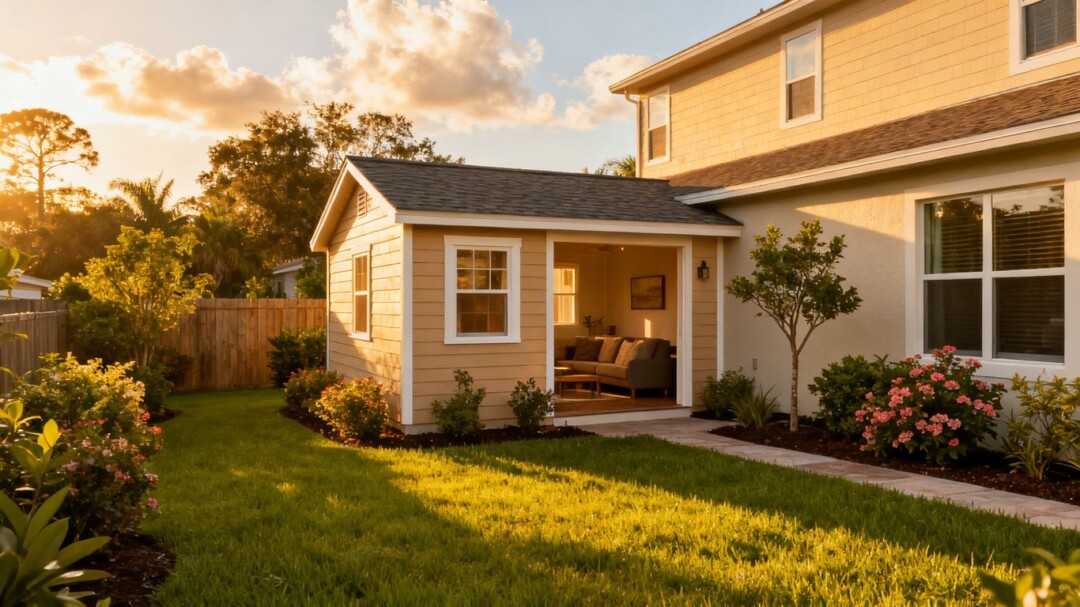
Florida lawmakers have passed a significant housing bill that aims to make it easier to build accessory dwelling units (ADUs), commonly known as "granny flats." This legislative move is designed to increase housing options and potentially lower costs across the state, addressing a long-standing affordability challenge.
Key Takeaways
- The bill limits local government restrictions on ADU construction.
- Supporters believe ADUs can provide affordable housing for family members and essential workers.
- The measure is part of a broader housing package and has garnered bipartisan support.
Boosting Housing Affordability
Accessory dwelling units, which are secondary homes built on the same property as a primary residence, are seen by proponents as a flexible solution to Florida’s escalating housing costs. These units, also referred to as in-law suites or carriage houses, can offer a more affordable living space for relatives, adult children, or essential workers who need to reside near their jobs.
Representative Danny Nix, the House sponsor of the measure, emphasized the bill’s goal of providing more housing choices for Floridians and contributing to the state’s affordability efforts. "We’re trying to make sure that we’re helping with affordability in the state of Florida," Nix stated.
New Limits on Local Restrictions
The new legislation imposes restrictions on how much local governments can limit the development of ADUs. While cities and counties will still have some oversight regarding design and implementation, the bill aims to streamline the approval process. This could be particularly beneficial for families looking to house aging parents or young adults, as well as for creating affordable long-term rental options for the workforce.
Senator Don Gaetz, a long-time champion of the ADU concept, views the bill as more than just a housing initiative. He has previously described it as a "private property rights bill" that can help alleviate housing strain, especially for workers in urban areas. Gaetz noted that ADUs are typically less expensive to build and rent, making them an attractive option for workforce housing.
Bipartisan Support and Future Outlook
The proposal received bipartisan backing, though some Democrats expressed concerns that the bill, while positive, does not sufficiently address the broader housing and insurance affordability crisis facing the state. Senate Minority Leader Lori Berman remarked, "What have we done for affordable housing? Nothing. What have we done for our property insurance premiums? Nothing."
Despite these criticisms, the ADU measure represents a significant victory for advocates and could pave the way for increased small-scale housing development throughout Florida. The bill now awaits the governor’s decision on whether to sign it into law.