

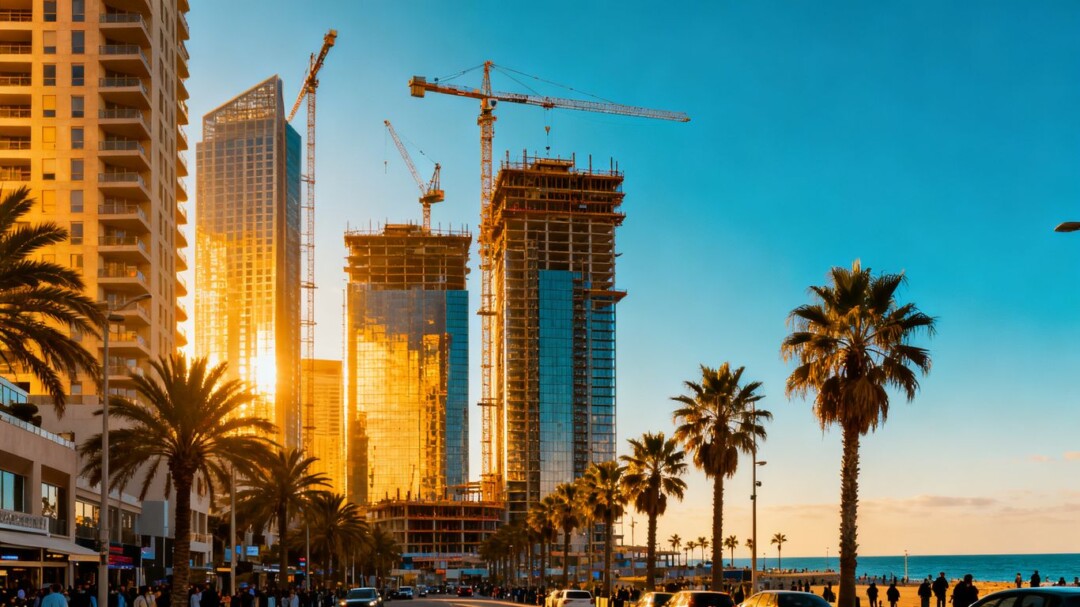
West Palm Beach is undergoing a dramatic transformation, with its skyline rapidly evolving due to a confluence of economic and demographic shifts. Once overshadowed by its neighbors, the city is now a focal point of dynamic residential and commercial development, signaling a significant repositioning of Palm Beach County as a national hub for finance, talent, and lifestyle.
Key Takeaways
- The "Wall Street South" migration of financial services from the Northeast is a primary driver of development.
- Vanderbilt University’s new graduate campus is attracting talent and boosting the local economy.
- Numerous major residential and mixed-use projects are underway, reshaping the city’s landscape.
- Favorable policies like the Live Local Act are supporting increased density and mixed-use development.
The ‘Wall Street South’ Phenomenon
A significant influx of financial services and related professional firms from New York and other parts of the country is fueling West Palm Beach’s growth. The region has become a magnet for private equity, hedge funds, and family offices seeking a more favorable tax environment, lighter regulation, and an enhanced quality of life. This migration is underwriting the construction of not only office towers but also high-end residential and mixed-use communities.
Related Group’s Impact and CityPlace
Related Group has played a pivotal role in West Palm Beach’s revitalization, particularly with the development of the CityPlace district. This area has become a successful model for walkable, amenity-rich, mixed-use environments. The company recently secured a record $772 million construction financing package for two new office towers, 10 CityPlace and 15 CityPlace, underscoring investor confidence in the city as a burgeoning financial center.
Vanderbilt University: A Talent Magnet
The establishment of Vanderbilt University’s graduate campus in downtown West Palm Beach is another crucial factor. The university’s expansion, focused on business, computing, and engineering, is expected to attract students, faculty, researchers, and a host of supporting businesses. This influx of talent is expected to strengthen the "Wall Street South" thesis by improving the labor pool for financial and tech firms and driving long-term housing demand.
A Surge in Residential and Mixed-Use Projects
Palm Beach County is experiencing a significant boom in residential and mixed-use developments. Notable projects include:
- The Ritz-Carlton Residences, West Palm Beach: A luxury high-rise condominium with extensive amenities, slated for completion in 2027.
- South Flagler House: A high-end condominium on the Intracoastal Waterway, setting a benchmark for luxury living.
- Banyan Tree Residences West Palm Beach: A 28-story mixed-use tower featuring residences, retail, and a focus on wellness.
- Lumaire: A 22-story mixed-use project with 457 apartments and retail space, catering to young professionals.
- Transit Village: A massive mixed-use development planned with residential units, office space, retail, and a hotel, situated near transit hubs.
- Rybovich Marina Redevelopment: Transforming the Northwood neighborhood into a high-end marina-centric lifestyle district with luxury towers.
- Alba Palm Beach: A 22-story tower offering waterfront residences with private dock access and concierge medical care.
- Nautilus 220 and Oculina: Waterfront condominium developments with resort-style amenities, with a new luxury project planned nearby.
Driving Forces and Future Outlook
The development frenzy is driven by three main forces: the "Wall Street South" migration, the arrival of institutional and educational partners like Vanderbilt, and a supportive policy and financing environment, including the Live Local Act. Despite challenges such as rising construction costs and labor shortages, the robust pipeline of projects indicates strong underlying fundamentals and a sustained growth cycle, positioning West Palm Beach as a key player in Florida’s economic future.