

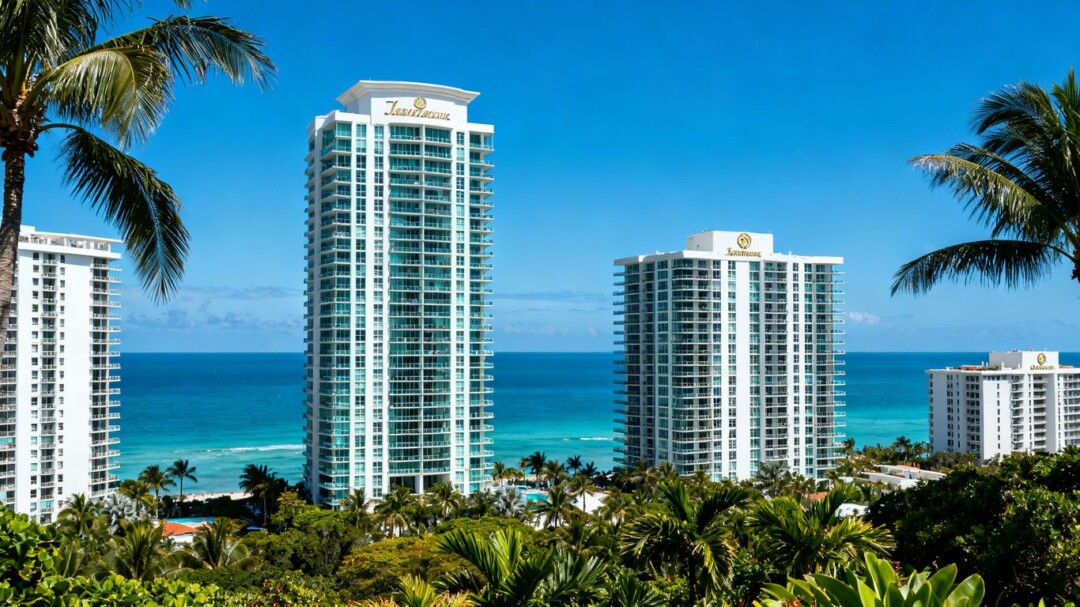
South Florida’s urban landscape is undergoing a dramatic transformation, marked by a surge in branded and high-rise condominium projects. Developers are increasingly partnering with luxury brands to lend credibility and allure to new residential towers, fundamentally altering the region’s skyline and real estate market dynamics.
Key Takeaways
- The proliferation of branded condos in South Florida, particularly Miami, is reshaping the real estate market.
- While some brands enhance project appeal, others face scrutiny due to unmet promises and construction defects.
- The market is evolving, with buyers becoming more discerning and non-branded projects gaining traction.
- Hospitality brands with a proven track record in residential living tend to perform better.
The Rise of Branded Residences
South Florida has become a global hub for branded residential developments, with luxury marques like Aston Martin, Porsche Design, Bentley, and Mercedes-Benz lending their names to towering new condominiums. This trend, which began nearly a decade ago, aims to leverage brand recognition to attract discerning buyers. The allure lies in the promise of exclusivity and a lifestyle associated with these high-profile brands.
Challenges and Criticisms
However, the branded condo boom is not without its challenges. The Aston Martin Residences in Miami, for instance, has faced numerous lawsuits alleging construction defects and failure to deliver promised amenities such as a marina and helipad. Such issues can significantly damage a brand’s reputation and impact the resale and rental markets for owners. Experts suggest that simply attaching a logo without a genuine commitment to delivering on the brand’s promise often leads to disappointment.
Market Saturation and Evolving Buyer Preferences
With a decade of branded projects, Miami’s market is showing signs of saturation. Developers and brokers note that buyers are becoming more informed and cautious, scrutinizing the developer’s track record and the feasibility of the promised lifestyle. This increased scrutiny means that the success of a branded project now hinges not only on the brand’s prestige but also on the developer’s ability to execute and deliver a superior product.
The Appeal of Non-Branded Projects
In response to the potential fatigue with branded offerings, some developers are finding success by focusing on creating high-quality, amenity-rich, non-branded projects. Developments like the Residences at 1428 Brickell are highlighting unique features, such as solar power integration and extensive amenities, to attract buyers who prioritize substance over brand association. This approach suggests a potential shift in market preference towards unique, well-executed developments.
Brands That Endure
While some brands struggle, hospitality-focused brands like Mandarin Oriental, Rosewood, St. Regis, and Four Seasons continue to command strong interest. These brands often have a deeper understanding of residential living and amenities, leading to greater success. Projects like the Four Seasons at the Surf Club exemplify this, achieving record-breaking prices due to a combination of brand strength, prime location, and exceptional design.
Sources
- South Florida Branded Condo Boom Reaching Its Limit?, The Real Deal.