

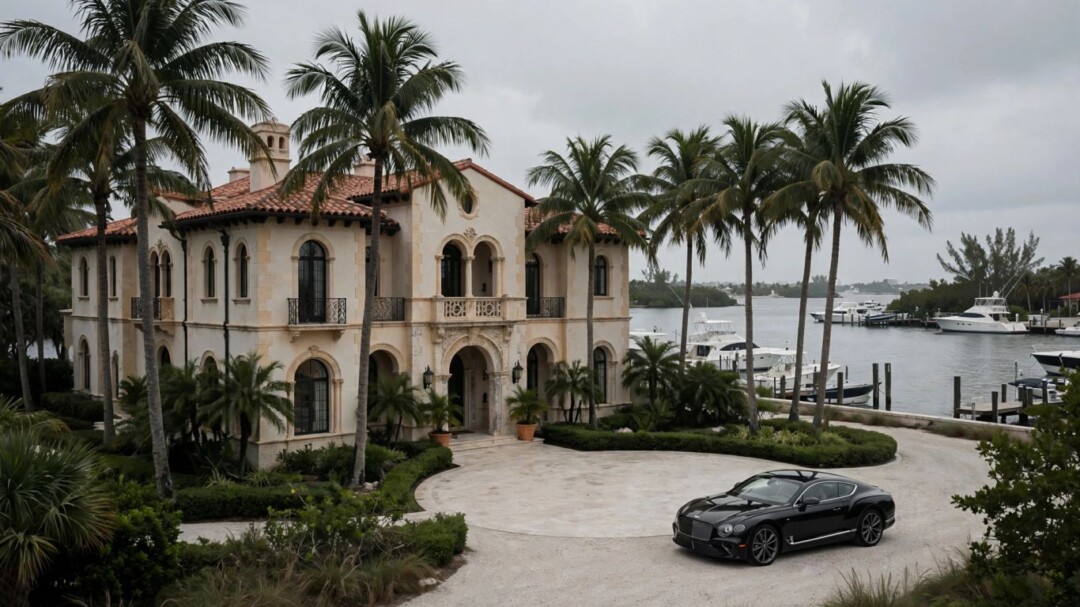
A Palm Beach mansion connected in reporting to a former CIA officer’s fraud case has changed hands in a closely watched transaction. Two reports put different figures on the property’s deal—one describing a $24 million sale and another citing a $33 million contract—leaving the precise terms unclear from the available accounts.
Key takeaways
- Reports linked the Palm Beach home to a fraud case involving a former CIA officer.
- One account reported a sale price of $24 million; another cited a $33 million contract figure.
- The reports do not explain whether the amounts reflect different stages of the transaction or another difference in reporting.
The conflicting figures make the property notable not only for its connection to the case but also for the questions around how the deal was recorded and reported.
What the reports say about the transaction
A November 17 report described the mansion as sold for $24 million. A separate report published the following day included the home among Palm Beach’s top contracts, citing a buyer at $33 million. A contract price and a completed sale price can refer to different stages of a real estate deal, but the accounts provided do not establish whether that explains the gap.
The figures should therefore be treated as distinct reported amounts, rather than as a confirmed final price. The available details also do not establish the sale’s closing date or explain the terms behind the reported contract.
Why the property drew attention
The home’s association with a former intelligence officer’s fraud case gave the transaction an unusual profile in Palm Beach’s luxury property market. That connection can bring added scrutiny to a sale, while the high reported values make the deal noteworthy in its own right.
The reporting identifies a link between the mansion and the case, but the available information does not detail the fraud allegations, the officer’s role in the property’s ownership, or whether the transaction was connected to any legal proceedings. Those distinctions matter: a property’s association with a case does not, on its own, establish that the home was involved in wrongdoing.
What remains unresolved
The principal open question is the price. Without additional transaction records or clarification from the reporting, it is not possible to determine whether $24 million represents the completed sale and $33 million an earlier contract, or whether the accounts describe different terms. The discrepancy underscores the importance of distinguishing a reported contract from a recorded closing price.