

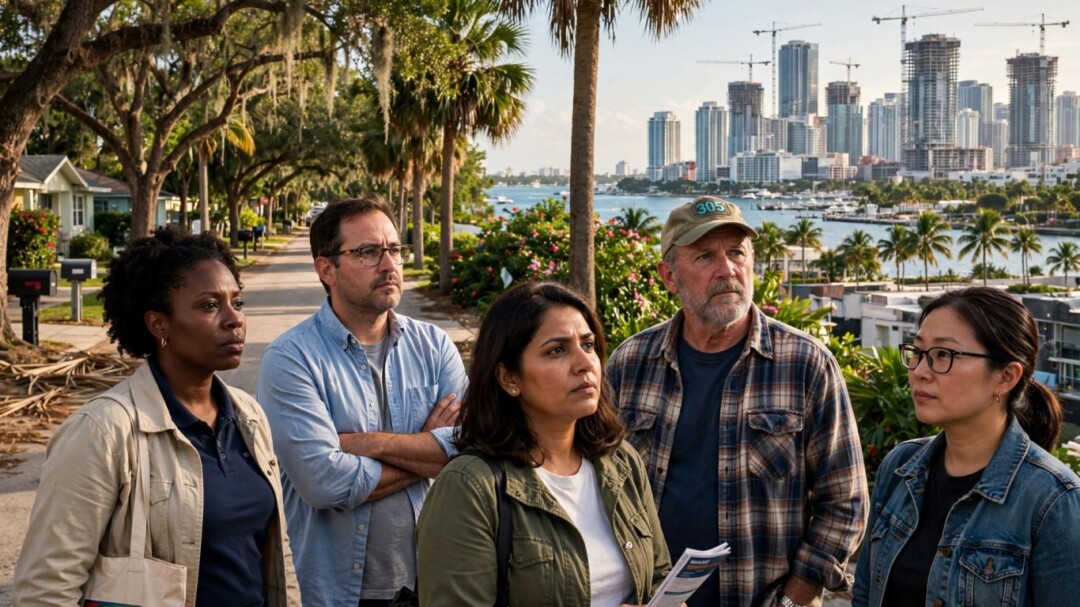
Miami-Dade election results delivered a mixed message on real estate: Vicki Lopez won her race, while voters rejected proposals tied to a Miami marina and a Miami Beach office project. The outcome puts condo reform and housing policy advocates in the spotlight, while signaling that major development plans may face close public scrutiny.
Key takeaways
- Vicki Lopez won her election, bringing an advocate associated with condo reform and Florida’s Live Local housing law into focus.
- Voters rejected proposals involving a Miami marina and a Miami Beach office project.
- The results underscore that support for housing policy does not necessarily translate into approval of individual development projects.
A win for a housing-policy advocate
Lopez’s victory gives an electoral boost to an elected official identified with condo reform and the Live Local Act, Florida’s framework for encouraging housing development. The result keeps those issues prominent in local and state policy debates, including discussions about housing supply and the condition of condominium buildings.
The election result alone does not establish how quickly policy changes will follow. Any next steps will depend on the relevant legislative and local processes, as well as the details of proposals brought forward.
Voters reject two development proposals
The marina proposal in Miami and the office project in Miami Beach both failed to win voter approval. Their rejection shows that ballot support for a specific project cannot be assumed, even in a region where housing demand and development pressures remain significant.
The available results do not specify vote totals or the projects’ full terms. Still, the outcomes are a clear obstacle for the proposals as presented and may require project backers to reconsider their plans or approach to public engagement.
What the results could mean for local real estate
Taken together, the results point to a nuanced electorate: voters chose a candidate associated with housing and condo policy while turning down two development proposals. That distinction matters for developers and public officials. Broad policy goals may attract support, but individual projects can be judged on their location, design, perceived effects and public benefits.
For future proposals, the votes offer a reminder that community outreach and clear explanations of a project’s trade-offs can be central to building public support. The results do not settle Miami-Dade’s wider debate over growth, but they provide a fresh measure of voter priorities.