

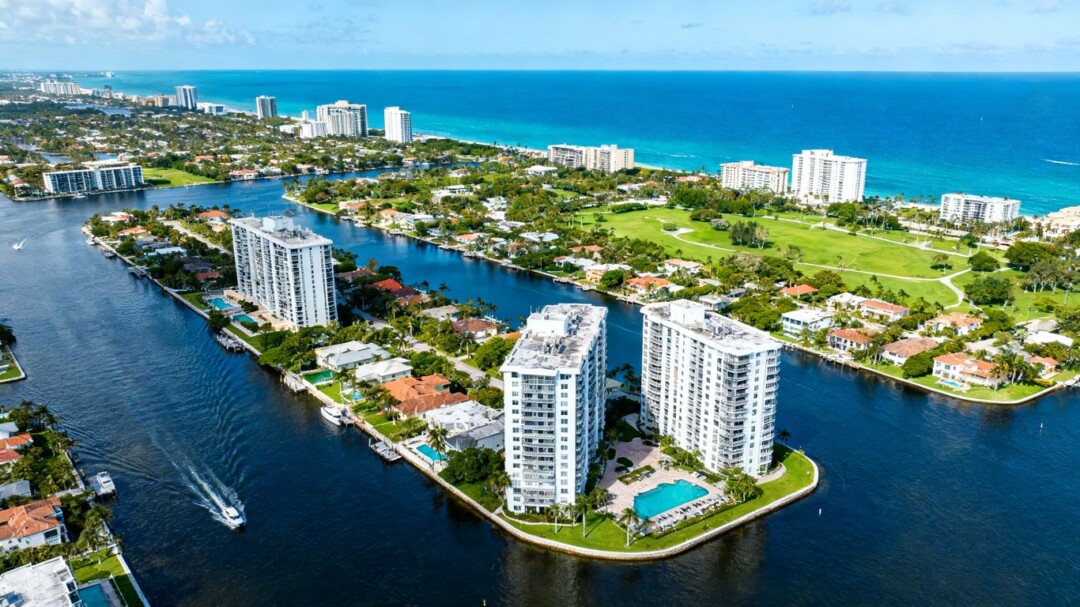
The real estate market in the Fort Lauderdale area is experiencing a notable slowdown, with homes taking longer to sell and inventory rising. This shift, moving from a pandemic-fueled seller’s market to a more balanced environment, is prompting adjustments for both buyers and sellers. Concurrently, significant developments are underway to address the critical need for workforce housing in the region.
Key Takeaways
- Fort Lauderdale, along with Miami and West Palm Beach, ranks among the slowest housing markets in the U.S.
- Homes are staying on the market longer, indicating a shift towards a more balanced market.
- Despite slower sales pace, overall home closures have seen year-over-year increases in Broward County.
- Affordability remains a concern, but rising inventory provides buyers with more negotiation power.
- Significant investment is being channeled into developing workforce housing projects.
Market Slowdown and Shifting Dynamics
Recent reports indicate that the Fort Lauderdale metropolitan area is among the slowest housing markets nationwide. Homes are spending considerably more time on the market compared to previous years, a trend attributed to the transition from the exceptional conditions of the pandemic era to a more stable market. While sales closures have seen an increase year-over-year in Broward County, the extended time listings remain active suggests a recalibration of buyer and seller expectations.
Experts describe the current market as "turned," moving from a period of low inventory and rapid sales to a more balanced state. This allows buyers more room for negotiation, while sellers can still achieve profitable outcomes. However, affordability continues to be a challenge for many prospective homeowners due to population growth and land constraints in South Florida.
Workforce Housing Development Takes Center Stage
In parallel with the market slowdown, substantial efforts are being made to increase the availability of workforce housing. A prime example is "The Era," a 400-apartment community in Fort Lauderdale that has commenced construction following an $80 million financing package. This project, a collaboration between Affiliated Development, the City of Fort Lauderdale, and Broward County, will reserve at least 210 units for residents earning between 80% and 120% of the area median income.
This development highlights a commitment from local leadership to prioritize housing solutions that support the community’s essential workers. The financing for "The Era" includes a first mortgage from the Bank of Montreal and equity investments from Affiliated Housing Impact Fund LP and private family offices. Similar workforce housing projects, like "The Spruce" in West Palm Beach, have also received significant financial backing, underscoring a broader regional focus on addressing housing needs.
Challenges and Opportunities in the Condo Market
The condo market, in particular, is showing signs of cooling after years of robust growth. While overall inventory in Broward County has increased, condo listings still lag behind pre-pandemic levels. High mortgage rates and strict lending rules, especially concerning FHA financing, continue to present hurdles for first-time and moderate-income buyers. The limited number of FHA-approved condominium buildings and stringent down payment requirements exacerbate these challenges.
Despite these obstacles, the increasing months’ supply of inventory for condos suggests a shift towards a buyer’s market. While distressed sales remain low, the longer timeframes for both going under contract and closing indicate a market that is moving at a more deliberate pace. Cash sales continue to play a significant role, particularly in the condo sector, though their share has slightly decreased.
Sources
- Fort Lauderdale, Miami among 5 slowest housing markets in US, Sun Sentinel.
- Greater Fort Lauderdale Area Residential Sales Dive 18 Percent Annually in May, The World Property Journal.
- Work begins on Fort Lauderdale workforce housing following $80 million financing package, South Florida Agent Magazine.