

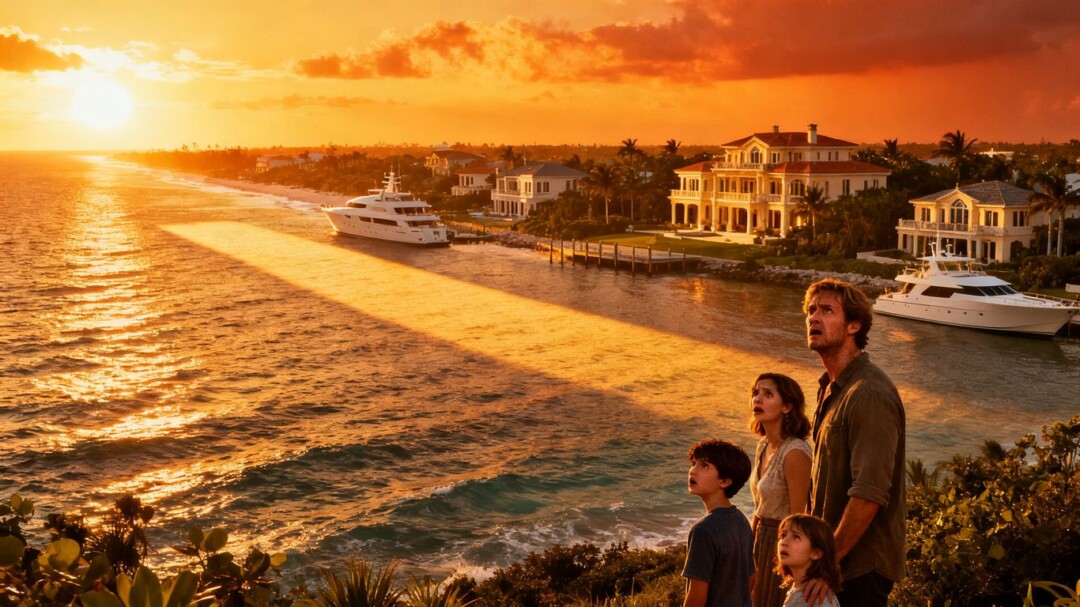
Florida’s real estate market is experiencing an unprecedented "gold rush," attracting billionaires and the ultra-wealthy who are snapping up luxury properties. This influx of high-net-worth individuals is driving up prices, creating a stark contrast between the booming luxury sector and the increasing affordability challenges faced by many long-term residents and essential workers.
Key Takeaways
- Florida’s real estate market has seen significant appreciation over the past five years, outperforming the national average.
- The state’s lack of income tax and desirable climate are major draws for wealthy individuals and retirees.
- Rising housing costs are leading many Floridians to consider leaving the state due to the increased cost of living.
- Developers are beginning to address affordability concerns, but the gap between high-end and accessible housing remains significant.
The Allure of the Sunshine State
Florida’s appeal to the wealthy is multifaceted. The absence of a state income tax, coupled with a year-round warm climate and extensive coastline, makes it an attractive destination for those seeking to relocate their assets and lifestyles. Billionaires like Larry Ellison have invested hundreds of millions in prime locations such as Manalapan, purchasing estates and hotels, further solidifying the state’s reputation as a haven for the super-rich. Ken Griffin and Jeff Bezos are also among the high-profile figures investing heavily in Florida real estate.
Rising Costs and Resident Concerns
While the influx of wealth benefits the state’s economy, it comes at a cost for many residents. Housing prices in popular metropolitan areas like Miami and Fort Lauderdale have surged, with a significant portion of household income now dedicated to housing expenses, far exceeding the national average. A poll by Florida Atlantic University revealed that at least half of Florida residents are contemplating leaving due to the rising cost of living, with housing affordability being the primary concern for 80% of them. This has led to a net migration deficit in some areas, despite the overall population growth.
Efforts Towards Affordability
Recognizing the growing disparity, some developers are initiating projects aimed at addressing the affordability crisis. For instance, the Cloud One Residences in Miami’s Wynwood neighborhood plans to offer units starting around $400,000 to $500,000, making them more accessible to local workers. Developers emphasize the importance of investing in infrastructure, public transport, and education to improve overall livability and ensure that the state’s growth benefits a broader segment of the population. However, the demand for luxury properties continues to outpace the supply of affordable housing, creating an ongoing challenge.
Market Trends and Outlook
Florida’s property market has shown consistent appreciation over the last decade, with values rising significantly above the national average. While the market is experiencing a period of recalibration with increased inventory and longer times on market, favorable mortgage rates and a rebound in international buyer activity suggest continued strength. Cities like Palm Beach, Miami, Cape Coral, and Jacksonville remain key investment hubs, attracting both domestic and international buyers. The state’s unique combination of financial incentives and lifestyle appeal ensures its continued prominence as a desirable real estate destination.
Sources
- Florida’s real estate ‘gold rush’ draws the super-rich as rising costs push others out | Florida, The Guardian.
- A $450M investment by Oracle’s Larry Ellison is luring the rich to a town 20 minutes from Mar-a-Lago |
Fortune, Fortune. - Best Florida Cities for Real Estate Investment, Travel + Leisure.
- Why the Sunshine State Has Been America’s Most Rewarding Property Market Over the Last
Five Years – OCNJ Daily, OCNJ Daily.