

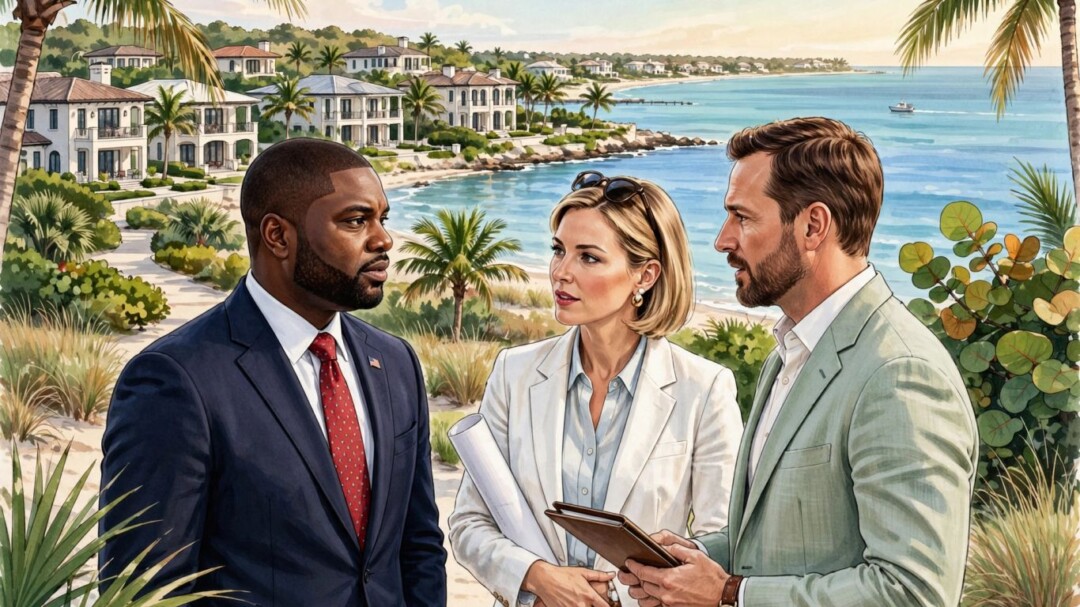
A report headline says real-estate donors are backing Byron Donalds far more heavily than David Jolly in Florida’s governor’s race. The reported imbalance highlights one industry’s political preferences, but the information available here does not provide contribution totals, donor names or a measurement period. Those details are needed to assess the scale of the divide.
Key takeaways
- Real-estate donors are reported to favor Donalds over Jolly by a wide margin.
- The headline does not specify donation amounts, the number of contributors or which fundraising groups were counted.
- Industry contributions are one indicator of political support, not a measure of voter preference or the race’s outcome.
What the reported divide says
The headline points to a pronounced gap in support from people connected to real estate. Such backing can help candidates finance campaigns and may signal which contender donors see as aligned with their interests. Without contribution records or dollar figures, however, the size and breadth of that backing cannot be independently evaluated from the information provided.
What the headline does not establish
No individual donors, fundraising committees, contribution totals or dates are identified in the available details. It is therefore unclear whether the comparison covers direct donations, support routed through political committees, or a broader set of real-estate interests. The word “overwhelmingly” signals a substantial disparity but does not quantify it.
Why donor support is only one measure
Campaign contributions can show where a sector is placing its financial bets, but they do not establish why donors chose one candidate or whether their preferences are shared by Florida voters. The report’s headline describes the donor landscape; it does not, by itself, indicate how the candidates stand with the electorate or predict who will win.