

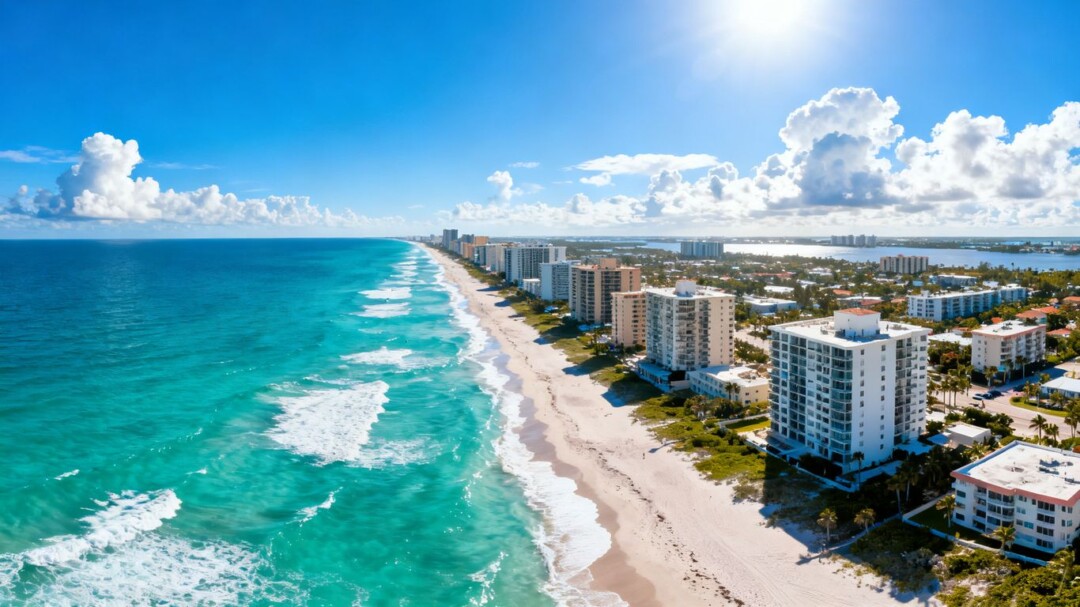
Florida’s condo market is giving buyers more choice—and potentially more negotiating power—as nearly 61,000 condominiums and townhouses sit on the market. But lower prices and abundant inventory come with risks, especially in older coastal buildings facing new inspection, reserve and assessment requirements.
Key takeaways
- Florida had 60,962 condos and townhouses listed for sale in July.
- Older coastal buildings may require costly repairs or special assessments.
- The median condo and townhouse price was $295,000, well below the $425,000 median for single-family homes.
- Buyers may find stronger negotiating leverage after a listing has been on the market for more than 30 days.
- Online property estimates may not accurately reflect a condo’s condition or market value.
The surplus is creating what could be a buyer-friendly market, but not every listing represents a bargain. Prospective owners need to examine a building’s finances, maintenance history and rules before making an offer.
Older buildings carry the greatest financial risk
Florida has more than 1.6 million condo units, including many buildings constructed in the 1970s and 1980s. Older properties can require major repairs, a concern heightened by the 2021 collapse of Champlain Towers South in Surfside, which killed 98 people.
State rules now require structural inspections for many condo buildings at least three stories tall and located within three miles of the ocean once they reach 30 years of age. Associations must also maintain sufficient reserves for structural work. Those requirements have contributed to special assessments in older communities.
Buyers should review inspection reports, reserve studies, association budgets, insurance coverage and any pending assessments before closing.
A long listing may signal an inflated price
Condos and townhouses took a median of 76 days to go under contract in July, compared with 68 days a year earlier. A property that remains available well beyond comparable listings may be overpriced or burdened by costly association concerns.
Newly listed units can still attract competition, particularly during their first month. After 30 days, however, sellers may become more willing to negotiate. Buyers who can wait until the end of the year may find additional opportunities as owners seek to complete sales before tax deadlines.
New construction costs more but may reduce surprises
Newer condominiums generally command higher prices, but they can offer updated systems, modern amenities and less immediate exposure to major repair assessments. In New Smyrna Beach, new luxury units start around $595,000, while high-end developments are also expanding in Miami.
That does not eliminate risk. Buyers should still review warranties, construction quality, developer disclosures, association fees and projected operating costs before purchasing a new unit.
Condos remain a lower-cost path to Florida ownership
The statewide median sale price for condos and townhouses was $295,000 in July, compared with $425,000 for single-family homes. That price gap can make condos an accessible option for buyers seeking a primary residence, vacation property or investment.
Some communities allow short-term rentals, which may help owners offset expenses. Local regulations, association rules, taxes, insurance and seasonal demand can significantly affect whether that strategy works.
Professional valuation remains important
Automated real estate websites can provide a starting point, but they often rely on broad averages and may not account for renovations, floor level, views, building condition or pending assessments.
A Realtor familiar with the local condo market can compare recent sales and identify risks that may not appear in an online estimate. For buyers, the best opportunity may be a fairly priced unit in a financially sound building—not simply the cheapest listing available.
- Florida condo market saturated, but buyers should know strategies, Tallahassee Democrat.