

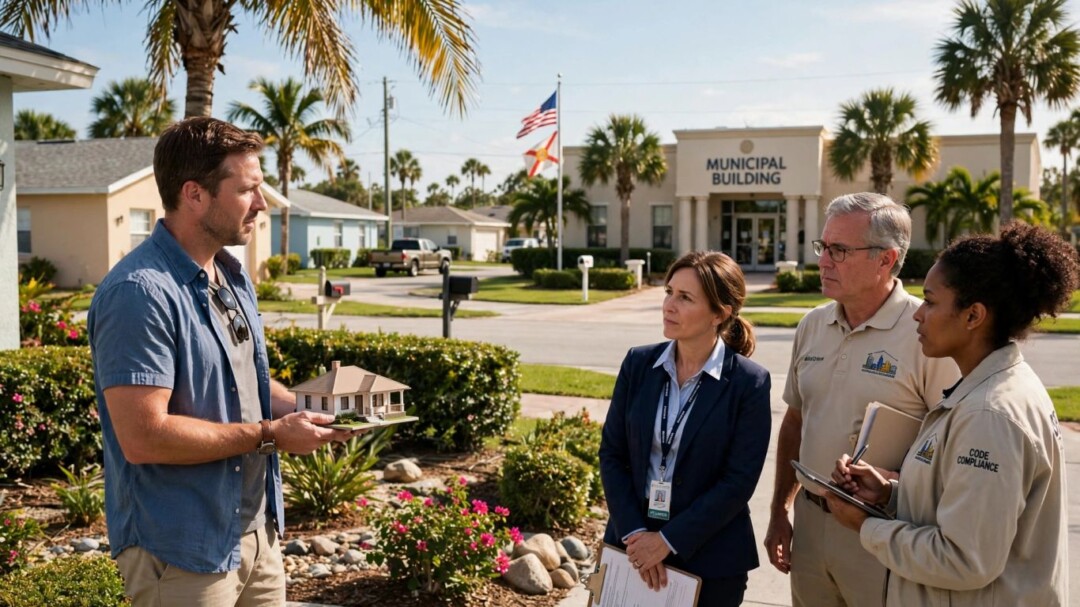
Florida voters have approved Amendment 3, a sweeping change to property taxes that expands the homestead exemption for qualifying homeowners. The measure passed with about 62% support, clearing the state’s 60% threshold. Tax relief is scheduled to phase in beginning in 2027, while local governments weigh how to manage a potentially substantial loss of revenue.
Key takeaways
The amendment changes taxes on homestead properties and limits assessment increases on certain other properties. Its full financial effects—and how communities respond—will emerge over the next several years.
- The homestead exemption for non-school property taxes rises to $150,000 in 2027 and $250,000 in 2028.
- The annual assessment-growth cap for non-homestead properties falls from 10% to 5% for non-school taxes.
- State estimates project local property-tax revenue reductions of nearly $5 billion in 2027 and $8.8 billion in 2028.
- School tax exemptions and Florida’s Save Our Homes protections remain unchanged.
How the tax changes work
For qualifying homesteads, the expanded exemption applies to non-school property taxes. The exemption is set to increase to $150,000 in 2027, then $250,000 in 2028, with inflation adjustments beginning in 2029. The exact savings will vary based on a property’s value, location and tax rates; local real estate estimates cited in coverage put potential savings at roughly $1,300 in 2027 and $2,700 in 2028 for eligible homeowners.
The change also lowers the annual cap on assessment increases for non-homestead properties—including rentals, second homes and commercial real estate—from 10% to 5% for non-school taxes. Homeowners who establish Florida residency by Dec. 31, 2026, may qualify for the expanded exemption. Those arriving later can receive the larger benefit beginning in their fifth year of homestead exemption, subject to applicable requirements.
Homeowners welcome relief, but savings are not guaranteed to solve affordability
Supporters say the measure will help owners facing rising housing costs, including insurance premiums and association fees. Florida Realtors supported the amendment, and proponents argue that lower property-tax bills could make homeownership more attainable for some households.
But property taxes are only one part of housing costs. Mortgage rates, home prices, insurance and other expenses will continue to shape affordability, and the benefit will differ from household to household. Analysts and local officials also warn that some of the tax burden could shift to renters or other property owners as governments adjust their budgets.
Local governments prepare for budget pressure
Florida’s local governments depend on property taxes to help pay for services such as public safety, infrastructure, parks and libraries. State estimates put the revenue reduction at nearly $5 billion in 2027, rising to $8.8 billion in 2028 as the larger exemption takes effect. Those projections raise concerns about service cuts, alternative revenue sources or changes to local spending priorities, though the eventual response will vary by community.
Some local leaders have prepared alternative budget plans, while nonprofit organizations say reduced public funding could affect programs serving children and families. The significant revenue impact is not expected immediately: local governments anticipate reductions beginning in fall 2027, with a larger effect in 2028. State lawmakers and local officials are expected to work through implementation details as the changes approach.
Sources
- Florida Voters Approve Landmark Measure To Reform Property Taxes, Realtor.com.
- Amendment 3 passes, providing tax relief for homeowners, Bay News 9.
- Florida voters approve Amendment 3, | Florida Realtors.
- ‘The money has to come from somewhere’: Florida voters approve sweeping property tax cut, while tax revolts in Wyoming and Oklahoma fall short, Yahoo Finance.