

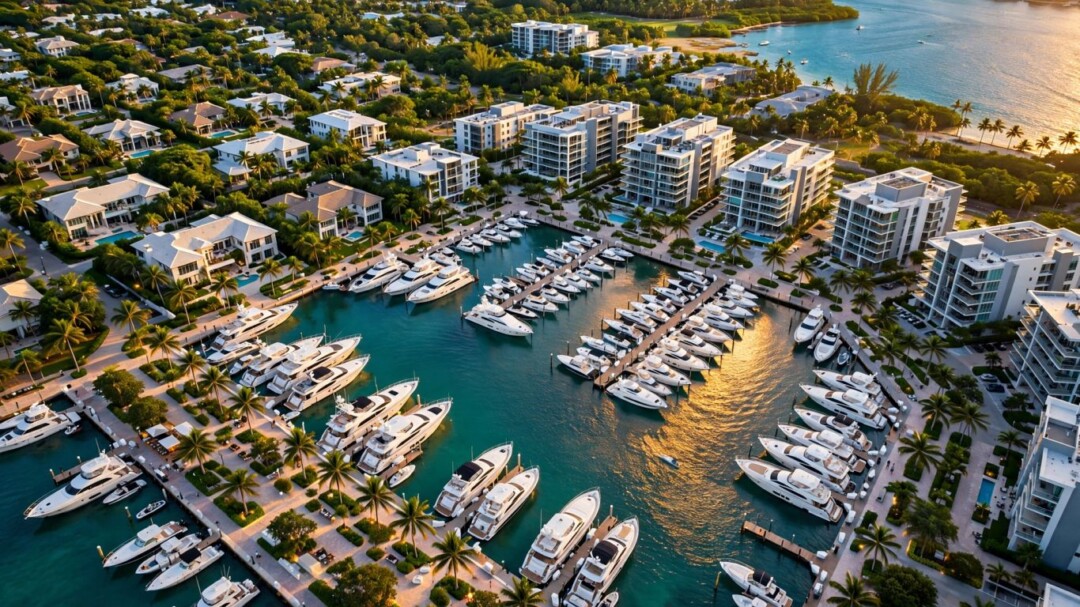
South Florida’s waterfront appeal is drawing fresh attention from luxury real estate investors, with marina developments emerging as a focal point. As demand for coastal living and boating access grows across the region, developers are looking at projects that combine residential property with dockage and other marina amenities. The trend also brings practical questions about costs, approvals and climate exposure.
Key takeaways
- Marina projects are attracting interest as investors seek to link luxury housing with access to the water.
- Demand for waterfront property is a regional driver, rather than a trend limited to one city or development.
- Permitting, infrastructure needs and exposure to storms and rising water levels are important considerations for future projects.
Why marinas are drawing real estate investment
A marina can make a waterfront development more than a place to live: it can also offer convenient boat access and related services. That combination may appeal to buyers who value both coastal property and recreational boating, giving developers a way to position projects around a distinct lifestyle proposition.
The investment interest reflects the broader value placed on South Florida’s waterfront locations. Marina-oriented development can bring together residential and boating uses, though the scale and mix of amenities will vary by project. The available information points to a wider investment trend, not one specific transaction or a confirmed pipeline of completed projects.
Waterfront demand extends across the region
Interest in waterfront property is not confined to a single South Florida market. A regionwide pattern can encourage developers and investors to consider locations where residential demand and boating access overlap. At the same time, individual sites differ in their access, existing infrastructure and ability to support additional activity.
For buyers, a marina may add convenience and lifestyle appeal, but it is only one part of a property’s value. Access, operating arrangements and the services available at a development can influence how useful the amenity is in practice. Those details matter when comparing projects or assessing whether a premium is justified.
Costs, approvals and climate risks
Marina development can involve more than building homes and docks. Projects may require substantial waterfront infrastructure, coordination with local authorities and environmental review. These requirements can affect schedules and costs, making approvals and site conditions central to a project’s feasibility.
South Florida’s exposure to storms, flooding and changing water conditions also warrants attention in long-term planning. Resilience measures and ongoing maintenance can add expense, while insurance and operating costs may affect both developers and property owners. As waterfront investment grows, the ability to balance market demand with these practical constraints will help determine which proposals move forward.