

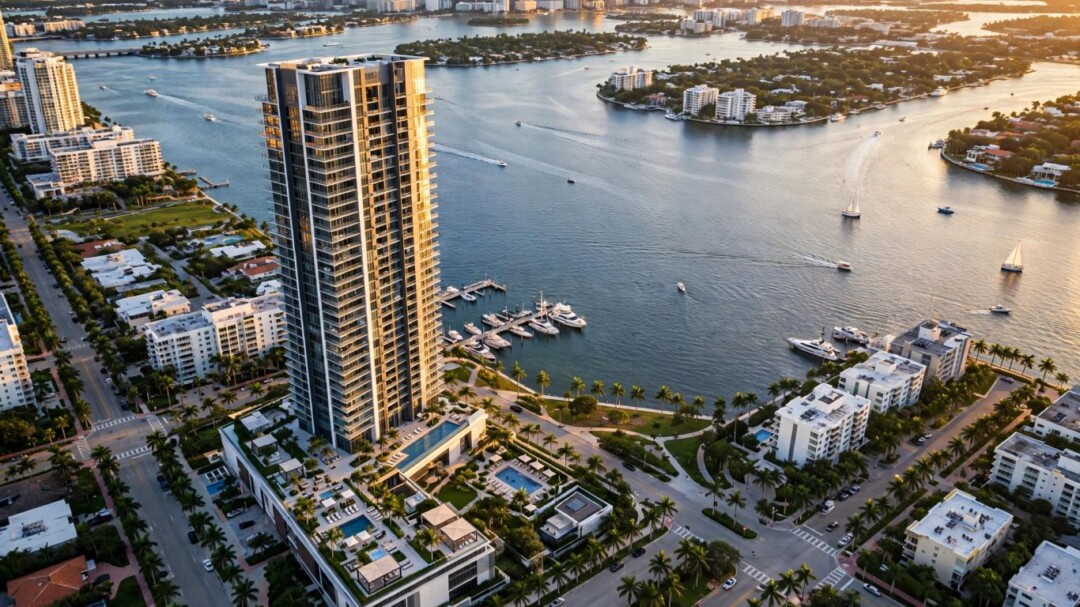
Two Roads Development has settled with the remaining owners of Biscayne 21, clearing a major obstacle for EDITION Residences Miami Edgewater. The reported $50 million agreement ended a prolonged condominium termination dispute and opened the way for demolition. The planned 55-story, 185-residence tower is now expected to be completed in 2029, after a delay that raised questions for buyers and developers alike.
Key takeaways
- Two Roads reportedly paid $50 million to resolve claims from eight Biscayne 21 owners.
- Demolition has begun at the site at 2121 North Bayshore Drive.
- The project is planned to include 185 residences, with prices starting around $1.7 million.
- The dispute underscores the risks of buying into pre-construction projects before a developer has full control of a site.
The settlement and project details were discussed by Two Roads founder Reid Boren in an interview on the Better Decisions podcast. Figures and market assessments cited here reflect the account of the interview and its publisher.
A condominium dispute delayed the project
Two Roads acquired about 96% of Biscayne 21, the aging condominium that occupied the site, after purchasing units from most owners. Eight owners did not agree to sell. The resulting dispute centered on whether changes to the condominium’s governing documents allowed the building to be terminated without unanimous consent.
A trial court initially ruled in the developer’s favor, but Florida’s Third District Court of Appeal later found the bylaw changes improper. After further proceedings, Two Roads reached a settlement with the holdouts in September 2026. The source reports that demolition began after the agreement resolved the remaining ownership dispute.
Plans for the Edgewater tower
EDITION Residences is planned as a 55-story waterfront building with 185 homes. The project is priced from approximately $1.7 million, with typical pricing described as near $1,800 per square foot. The development is expected to include a second building with food and beverage offerings, alongside wellness amenities associated with the EDITION brand.
Boren said the project was close to 50% sold and that buyers who signed original contracts kept their original prices despite the delay. The publisher characterizes the site’s waterfront position, nearby park and access to Miami neighborhoods as key elements of the development’s appeal. Delivery is now anticipated in 2029, later than buyers initially expected.
Lessons for buyers and developers
The case has prompted a broader warning for condominium redevelopment proposals: unresolved ownership claims can leave a project exposed to years of litigation. Boren said he would seek full control of a building before launching sales in a similar situation. The publisher also notes that numerous older Miami condominiums may face redevelopment pressure as maintenance and insurance costs rise.
For prospective buyers, the episode highlights the importance of reviewing land ownership, title risks, deposit protections, force majeure provisions and contract deadlines. Florida contracts may allow developers to use deposits above 10% for construction, if their terms permit it. Those details can affect a buyer’s exposure if completion is delayed or a project encounters legal problems.
EDITION’s settlement removes a central obstacle, but the project’s experience shows that a prominent brand and ambitious design do not eliminate pre-construction risk. Buyers will still need to weigh its revised timeline and pricing against contract protections and competing Miami developments.